
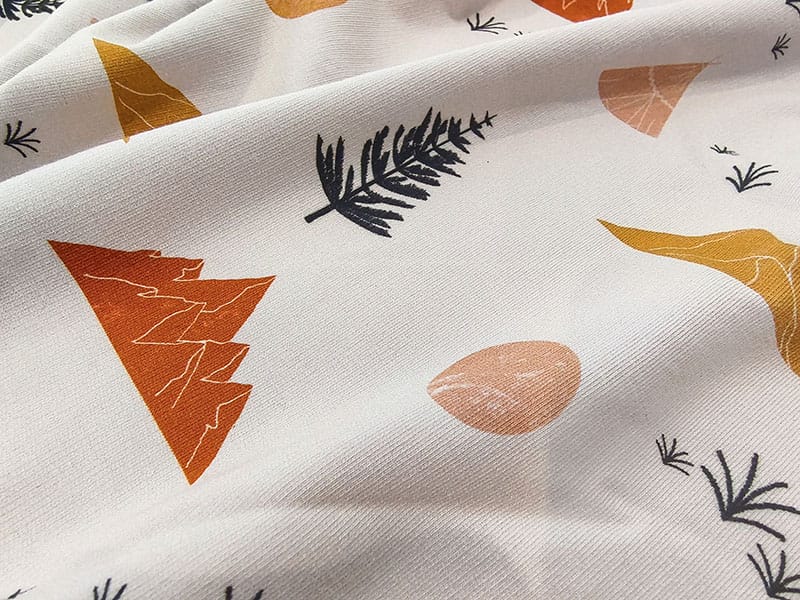
Choosing the right printing method for your custom-printed fabric depends mainly on fabric composition, intended end-use, and final-product performance requirements, making it critical to understand reactive printing and sublimation printing for all your textile projects. These two widely adopted textile printing technologies operate with entirely different mechanisms and fiber compatibility rules. Reactive printing is formulated primarily for cellulose-based natural fibers, including both natural cellulose fibers such as cotton and linen, and regenerated cellulose fibers such as rayon, viscose and lyocell.For blended fabrics such as cotton lycra (cotton-spandex jersey), reactive printing is feasible yet requires careful consideration of spandex heat resistance, post-finishing workflows and color fastness to deliver stable results. By contrast, sublimation printing is engineered exclusively for polyester-base fabrics, ideal for polyester fleece, minky, DBP and stretch performance textiles.
Understanding these differences can help you choose a printing method that suits your fabric and project. The right option depends on fiber composition, the desired print appearance, and the performance requirements of the finished product. These considerations apply to apparel, activewear, swimwear, and home textiles such as custom-printed blankets (made from minky, sherpa, polyester fleece or cotton), and all your small-batch custom fabric projects.
Key Takeaways
- Fabric Compatibility:Reactive printing is commonly used on cotton and other suitable cellulose-based fabrics, while sublimation transfer is primarily used on polyester fabrics.
- Print Performance: Neither method guarantees a particular level of softness or colorfastness. Results depend on the fabric, printing process, and finishing.
- Choosing a Method: Check fiber content, fabric color, end use, and any required performance tests before placing a bulk order.
What is reactive printing?
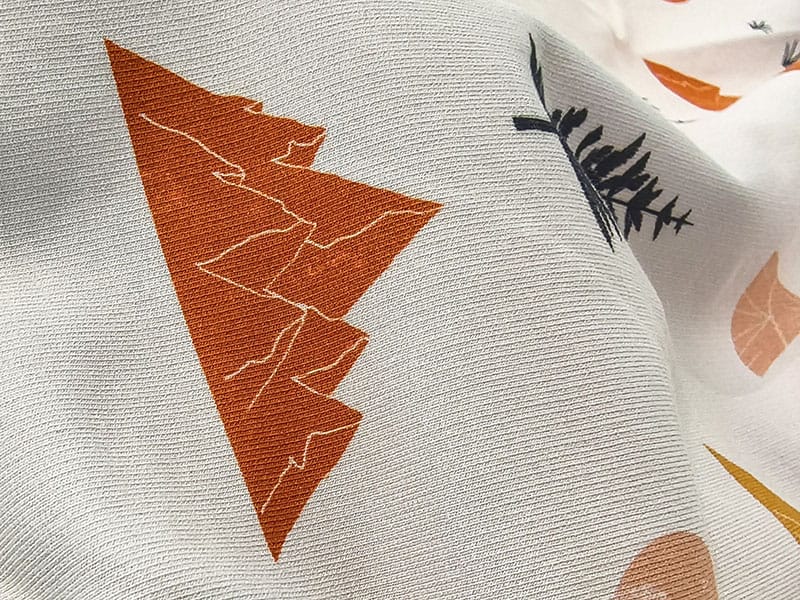
How reactive printing Works
Reactive printing uses reactive dyes that form chemical bonds with compatible fibers during fixation. It is commonly used for cellulose-based fabrics such as cotton, linen, rayon, and viscose. Reactive dyes can be applied through different printing methods, including digital printing and screen printing, with the process depending on the equipment, dye system, and fabric. At Doris Fabric, we use digital reactive printing for custom fabric projects.
- Fabric Pretreatment: The fabric is prepared according to the requirements of the dye and printing system. Proper pretreatment helps achieve more even color application and supports effective dye fixation.
- Digital Printing: The design is printed directly onto the prepared fabric using reactive dye-based inks.
- Steaming & Fixation: The printed fabric is steamed under controlled conditions to help the reactive dyes react with compatible fibers. The required temperature, moisture, and steaming time depend on the dye system and fabric.
- Washing & Drying: The fabric is washed to remove unfixed dye and processing residues, then dried and finished. Effective washing and proper fixation are important for achieving the required washfastness and fabric handle.
Best Fabrics for Reactive Printing
Reactive printing is most commonly used on cellulose-based fabrics. The suitable dye system and processing conditions depend on the fiber composition and fabric construction. Silk is a protein-based fiber, so its suitability should be confirmed separately rather than assumed to be the same as cotton or linen.
- Cotton and cotton blends with suitable cellulose content
- Linen
- Rayon and viscose
- Lyocell
- Bamboo viscose
Pros & Cons of Reactive Printing
Pros:
- Exceptional hand feel: When properly processed, reactive printing can preserve much of the original softness and breathability of suitable cellulose-based fabrics without requiring a separate surface film.
- Washfastness: Proper dye fixation and washing can produce good washfastness. Actual performance depends on the dye system, fabric, finishing process, and care conditions.
- Design Detail:Digital reactive printing can reproduce fine patterns, gradients, and tonal variations on suitable fabrics. The final result depends on the artwork, fabric surface, and printing conditions.
Cons:
- Potential Fabric Distortion: Some fabrics may shrink, stretch, or skew during processing. The risk depends on the fabric construction, machine tension, moisture, and finishing conditions.
- Batch-to-Batch Color Variation: Differences in fabric lots, pretreatment, dye preparation, and processing conditions can affect color consistency between production batches.
- Water and Wastewater Management: Reactive printing requires washing to remove unfixed dye and processing residues. Water consumption and wastewater treatment are important environmental considerations, and the overall impact depends on the production process and wastewater management system.
What is sublimation printing?
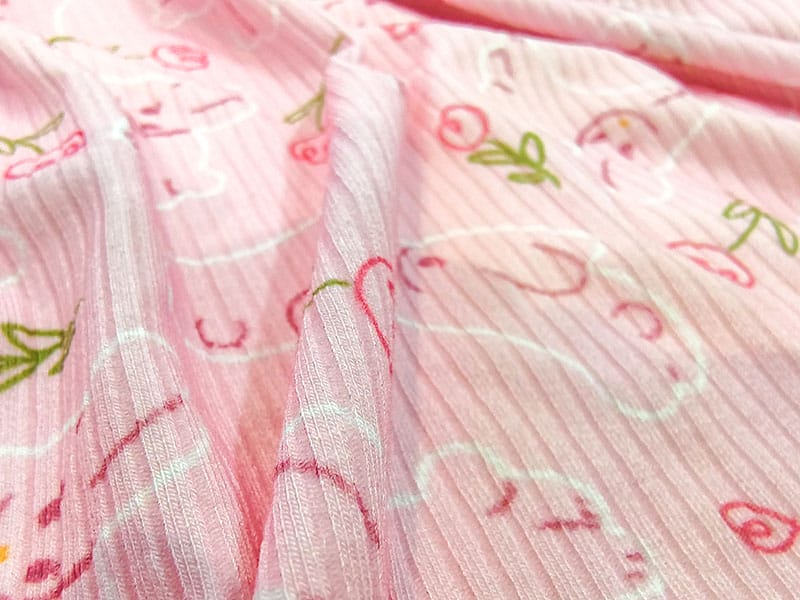
How sublimation printing works
Sublimation printing, also known as dye-sublimation printing, is a heat-transfer process commonly used for polyester textiles. The design is printed onto transfer paper using sublimation inks, which typically contain disperse dyes. During heat transfer, the dyes move from the paper and diffuse into suitable polyester fibers. Unlike some film-based transfer methods, sublimation does not create a separate surface ink film.
- Mirror Printing( Printing the Design on Transfer Paper): The design is printed in reverse onto suitable sublimation transfer paper using sublimation inks.
- Heat Transfer: The transfer paper is placed against the polyester fabric and processed under controlled heat and pressure. Temperature, pressure, and transfer time should be selected according to the ink system, fabric construction, and equipment manufacturer’s guidance. Stretch fabrics containing spandex should be tested to confirm that the heat process does not adversely affect their appearance, stretch, or recovery.
- Dye Diffusion: Under suitable heat-transfer conditions, disperse dyes move from the transfer paper into compatible polyester fibers. As the fabric cools, the dyes remain within the fiber structure rather than forming a separate surface ink film. The final colorfastness depends on the dye system, transfer conditions, fabric, and intended use.
Best Fabrics for Sublimation
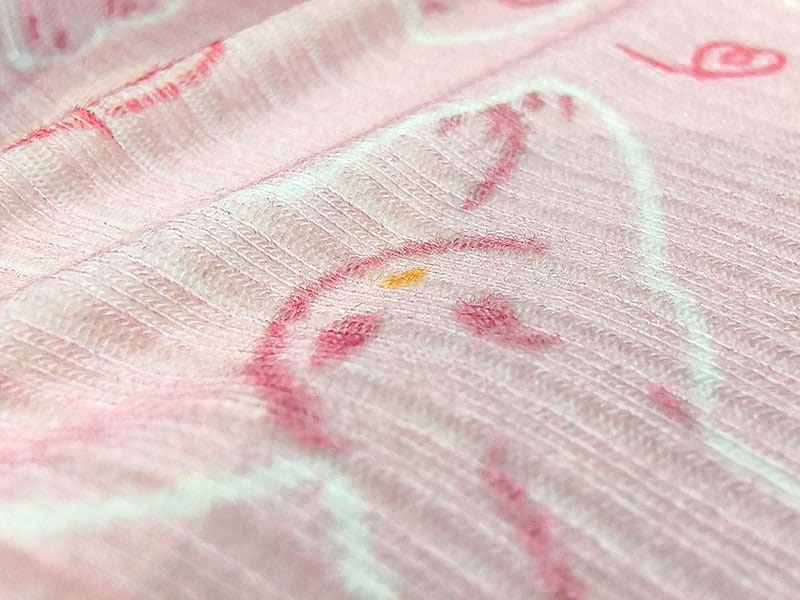
Sublimation printing is primarily used on polyester-based fabrics because disperse dyes can transfer into suitable polyester fibers under heat. The fiber composition and base color both affect the final result.
It is generally not suitable for untreated cotton or other cellulose-based fabrics. Specially coated materials may support sublimation, but their performance depends on the coating and substrate and should be assessed separately from standard polyester textiles.
- 100% polyester fabrics
- Sublimation transfer is commonly used on polyester fabrics, including selected polyester-spandex blends for activewear and swimwear. Before production, check whether the fabric can tolerate the transfer conditions without unacceptable changes to its color, stretch, or recovery.
- Polyester-rich blends, subject to testing for the intended application
Pros & Cons of Sublimation Printing
Pros:
- Print Detail: Sublimation can reproduce fine details, gradients, and vivid colors on suitable polyester fabrics. The final appearance depends on the artwork, color management, fabric composition, and transfer conditions.
- Print Durability: Because sublimation dyes diffuse into suitable polyester fibers, the print does not rely on a separate surface ink film that can crack or peel. However, colorfastness can still be affected by sunlight, chlorine, washing, abrasion, and processing conditions. For swimwear and other demanding applications, performance should be assessed against the intended use.
- Suitable for Selected Sportswear: Sublimation is commonly used for polyester-based sportswear and teamwear when the fabric and transfer process are compatible. The finished garment’s performance also depends on fabric construction, stretch and recovery, and the required colorfastness.
Cons:
- Standard sublimation dyes are transparent and cannot produce an opaque white print layer. As a result, white or light-colored polyester fabrics generally produce more predictable colors than dark or black fabrics.
- Limited Fiber Compatibility: Conventional sublimation printing is generally not suitable for untreated 100% cotton because disperse dyes are designed to transfer into compatible synthetic fibers, particularly polyester. Other fabric types require separate evaluation before production.
- Process Control: Variations in temperature, pressure, transfer time, moisture, or fabric construction can affect print consistency. Appropriate process settings and sample checks help reduce variation during production.
Reactive vs. Sublimation: Side-by-Side Comparison
The table below compares the two methods by fabric compatibility, print appearance, processing, and performance.
Reactive Printing vs. Sublimation Printing
| Feature | Reactive Printing | Sublimation Printing |
| Printing Mechanism | Reactive dyes form chemical bonds with suitable fibers, particularly cellulose fibers. | Disperse dyes vaporize under heat and diffuse into polyester fibers. |
| Main Fabric Types | Cotton, linen, viscose, lyocell, and other suitable cellulose-based fabrics. | Polyester fabrics and suitable polyester blends. |
| Fabric Color | Works on light-to-medium base colors; darker bases require higher dye loading and process validation. | Works best on white or light-colored polyester because the dyes are transparent. |
| Print Appearance | Can reproduce detailed designs and rich colors on suitable fabrics. | Can reproduce detailed designs, gradients, and vibrant colors on suitable polyester fabrics. |
| Fabric Hand Feel | Can preserve much of the fabric’s original hand feel when properly processed. | Does not create a separate surface ink film in conventional transfer sublimation. |
| Colorfastness | Depends on dye fixation, washing, finishing, and fabric type. | Depends on the dye, polyester fabric, transfer conditions, and end use. |
| Processing Requirements | Typically involves dye fixation and washing, with processing requirements depending on the fabric and dye system. | Requires controlled heat transfer; suitable settings depend on the ink system, fabric, and equipment. |
| Environmental Considerations | Washing uses water and produces wastewater that must be managed appropriately. | Heat and energy use, transfer materials, fabric choice, and the overall production system affect environmental impact. |
Choosing Your Printing Method
Before choosing a printing method, check the fabric composition, production requirements, and performance expected from the finished product:
- What is your fabric composition? Start by confirming the fiber content. Reactive printing is commonly used on suitable cotton, linen, viscose, and other cellulose-based fabrics. Sublimation is primarily used on compatible polyester fabrics and blends. Silk, nylon-spandex and other specialized fabrics may require a different dye system or printing method, so confirm compatibility before production.
- What Are Your Budget and Order Requirements?Compare the full production cost, minimum order quantity, sample requirements, and lead time for the specific fabric and printing process. Sublimation can be practical for certain custom designs and short runs, while reactive printing involves additional fixation and washing steps. However, overall cost and production speed depend on the equipment, order size, fabric, and finishing requirements.
- What Performance Does the Finished Product Need?Consider how the fabric will be used and which properties matter most, such as softness, stretch and recovery, washfastness, lightfastness, or chlorine resistance. If the product has specific performance requirements, request a sample and review relevant test results before approving bulk production.
What to Check Before Choosing a Fabric Printing Method
Before placing a custom fabric order, check these four points:
1. Fabric Composition: Confirm whether the fabric is cotton, viscose, polyester, or a blend. Fiber composition is the starting point for choosing a suitable printing method, but blended fabrics may require additional compatibility checks.
2. Base Color: Conventional sublimation printing works best on white or light-colored polyester because the dyes are transparent and do not provide an opaque white layer. If your design needs opaque graphics or a white underlayer on dark polyester, discuss alternative printing methods with your provider.
3. Fabric Construction and Heat Tolerance: Stretch fabrics, particularly those containing spandex, may need specific processing conditions. Confirm that the fabric can tolerate the heat and other finishing steps required by the selected printing method without unacceptable changes to its appearance, stretch, or recovery.
4. Print Performance: Consider how the finished product will be used and whether it needs to meet specific requirements for washfastness, lightfastness, chlorine resistance, or abrasion resistance. Request a sample and review relevant test results, where available, before committing to a larger order.
FAQ
Can sublimation printing be used on dark cotton or polyester fabrics?
Conventional sublimation printing is generally not suitable for untreated 100% cotton because the dyes are designed to transfer into compatible polyester fibers. It also works best on white or light-colored polyester, as standard sublimation dyes are transparent and do not provide opaque coverage on dark fabrics.
For dark cotton garments, DTG or screen printing may be suitable alternatives, depending on the garment, design, ink system, and required finish. If you are printing on dark polyester, discuss alternative methods if the design requires opaque colors or a white underbase.
Does reactive printing fade after the first wash?
Properly processed reactive prints should meet specified wash fastness standards. Any noticeable fading or excessive color bleed on the first wash indicates inadequate fixation or rinsing. Actual results depend on dye selection, fixation, washing, finishing and fabric type.
For specific performance requirements, refer to relevant test results rather than relying on the printing method alone.
Can sublimation printing be used on cotton Lycra fabric?
Conventional sublimation printing is generally not suitable for untreated cotton-spandex fabric because the dyes are designed to diffuse into compatible polyester fibers rather than cotton. Reactive printing may be an option for suitable cotton-spandex blends, but the fabric composition, construction, spandex heat tolerance, and required processing conditions should be checked before production.
Which printing method is better for swimwear?
It depends on the fabric. Sublimation transfer is commonly used on suitable polyester-spandex swimwear fabrics, while nylon-spandex may require a different printing system. Check the fabric’s heat tolerance and the finished print’s resistance to washing, sunlight, and chlorine before choosing a method.