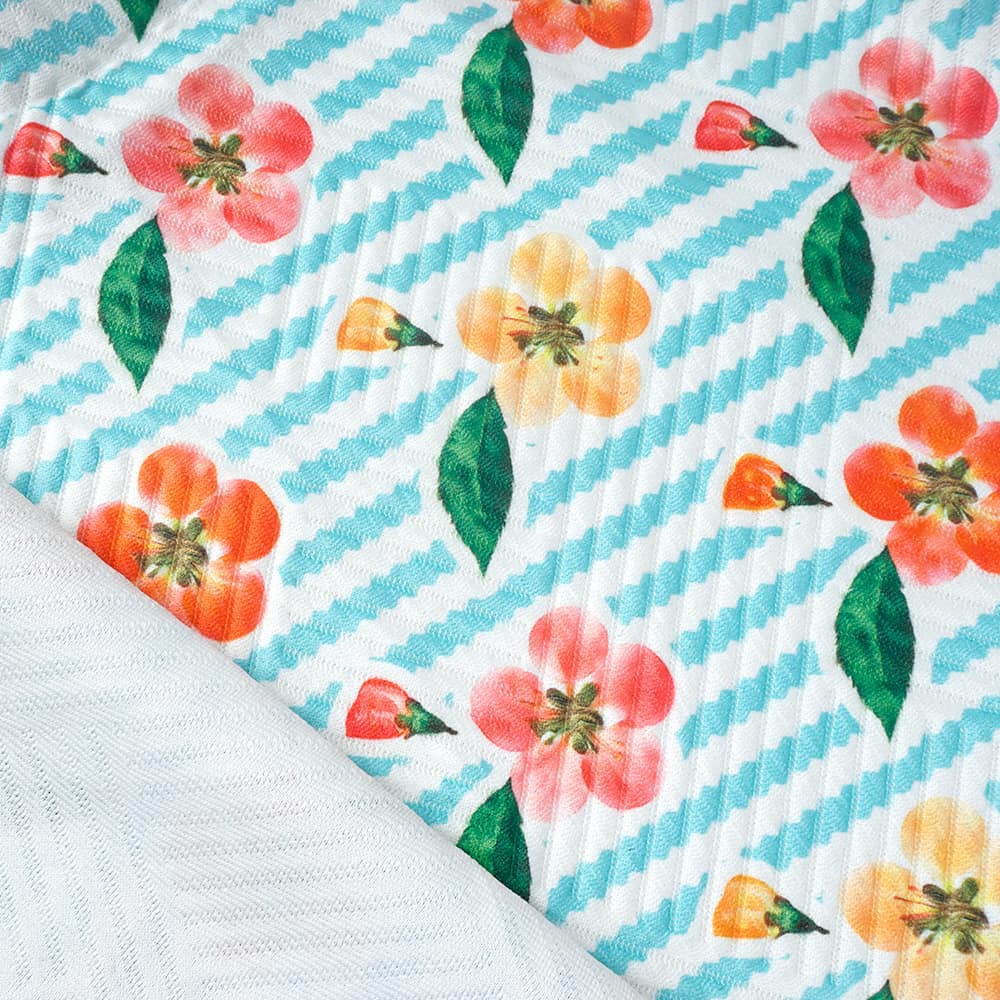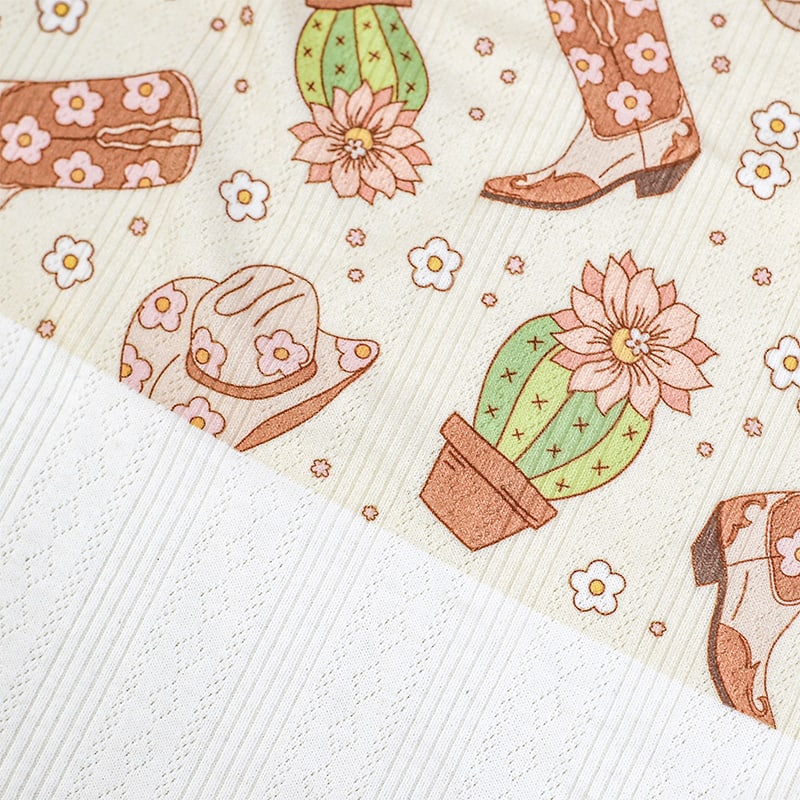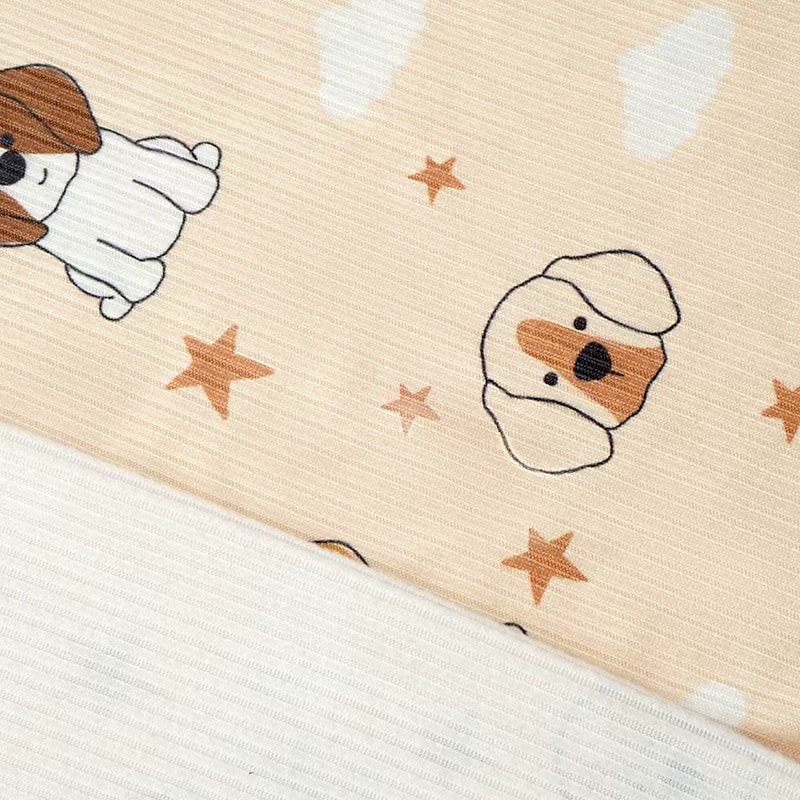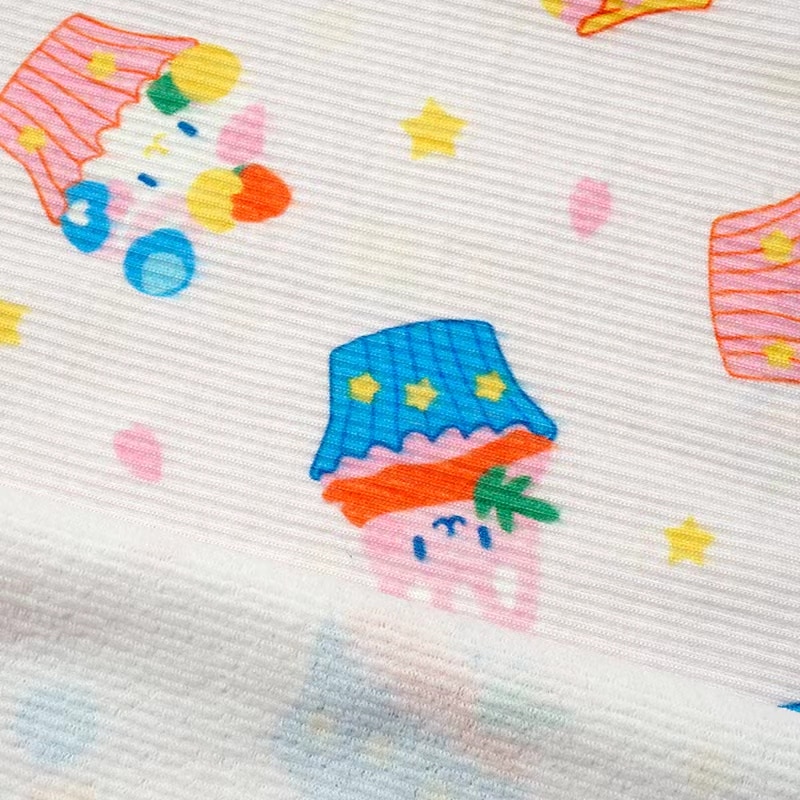
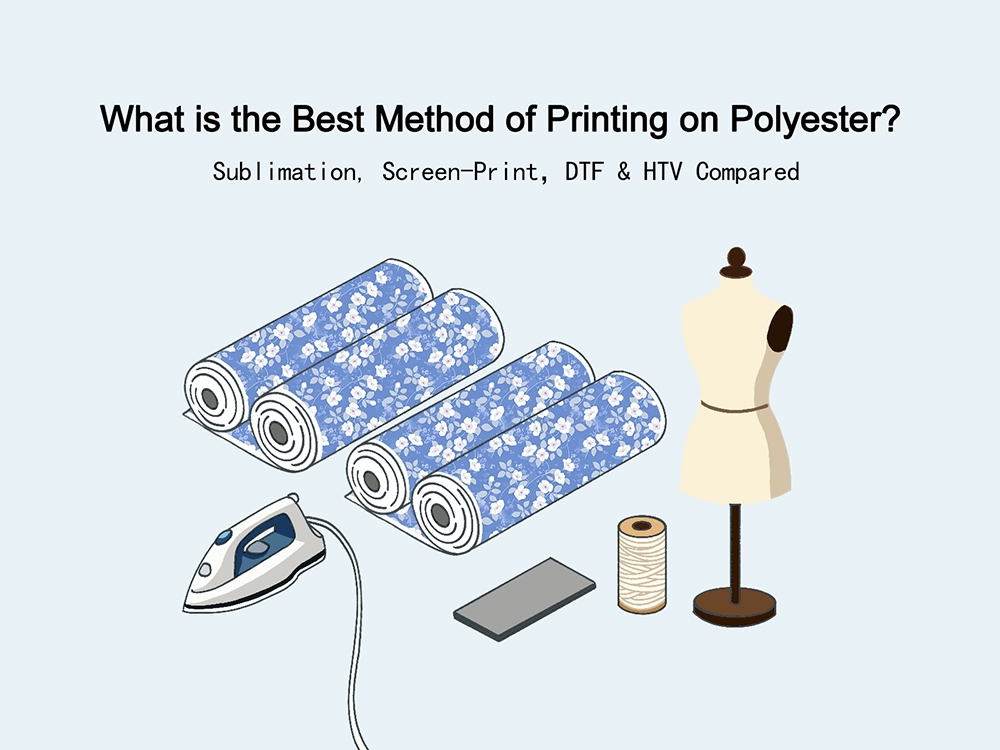
There are several ways to print on polyester, and the right choice depends on the fabric, design and intended use. Sublimation transfer is widely used for colorful, detailed prints on light-colored polyester, while screen printing is often chosen for larger runs of the same design. Other methods, such as DTF and HTV, are more commonly used for logos, lettering and individual garment graphics.
Key Takeaways
- The suitable printing method for polyester is determined by fabric composition, base color, design, order quantity and end use.
- Sublimation heat transfer produces detailed, vibrant prints on compatible polyester fabrics, with results limited on dark base colors.
- Screen printing works on polyester when paired with proper inks and controlled heat to reduce dye migration.
Best Method for Printing on Polyester
Why Sublimation Transfer Works Well on Polyester
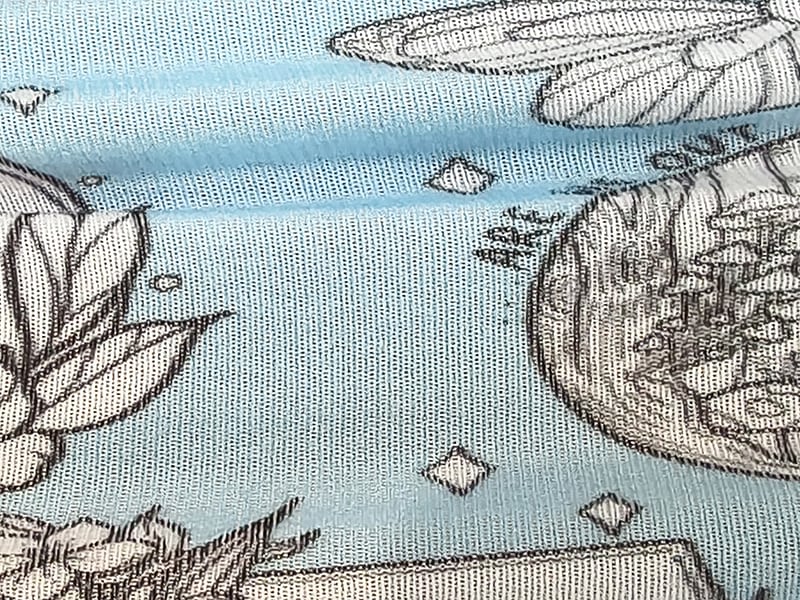
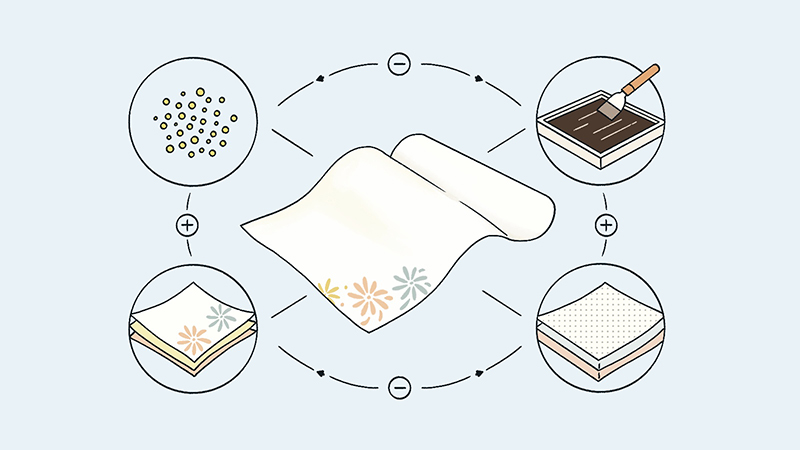
Sublimation transfer applies heat and pressure to turn disperse dyes into a gaseous state that penetrates polyester fibres, making it well suited for all‑over prints on sportswear. Since the dye diffuses into the polyester fibres without forming a separate ink layer on the surface, sublimation generally helps retain the fabric’s original hand feel.For dark polyester fabrics, methods that use opaque inks or transfer layers, such as compatible screen printing systems or DTF, are generally more suitable.Potential issues include fading, incomplete transfer, and muted color when the polyester proportion in the fabric is low. Print longevity ultimately depends on the fabric quality and processing conditions.
- During sublimation transfer, heat turns the disperse dyes into gas, allowing them to diffuse into the polyester fibres and become trapped within the polymer structure.
- Since the dye diffuses into the polyester fibres rather than forming a separate surface layer, sublimation prints are less prone to cracking or peeling. However, color retention still depends on dye quality, processing conditions and exposure to washing or sunlight.
Sublimation transfer is worth considering when:
- You are printing on white or light-colored polyester.
- Your design includes detailed patterns or multiple colors.
- You want to avoid a noticeable ink layer on the fabric surface.
- The fabric can withstand the required heat and pressure.
Sublimation transfer is most suitable for white or light‑colored polyester fabrics; the dyes are transparent and cannot create opaque coverage on dark backgrounds. Fabrics with high polyester content tend to yield better outcomes, and results on blended materials vary by composition. This method is popular for sportswear and items with intricate multi‑color designs. For stretch fabrics and polyester blends, verify heat resistance and carry out a pre‑production test.
When to Use Screen Printing on Polyester
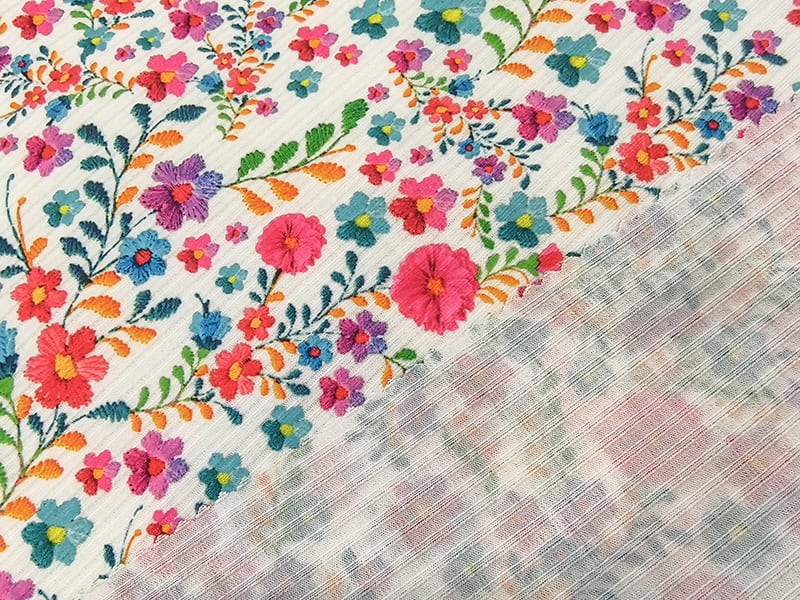
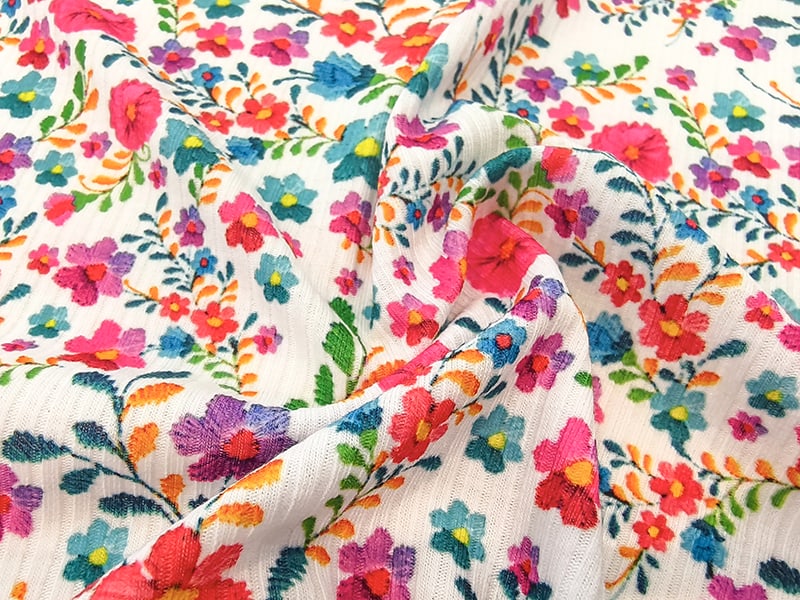
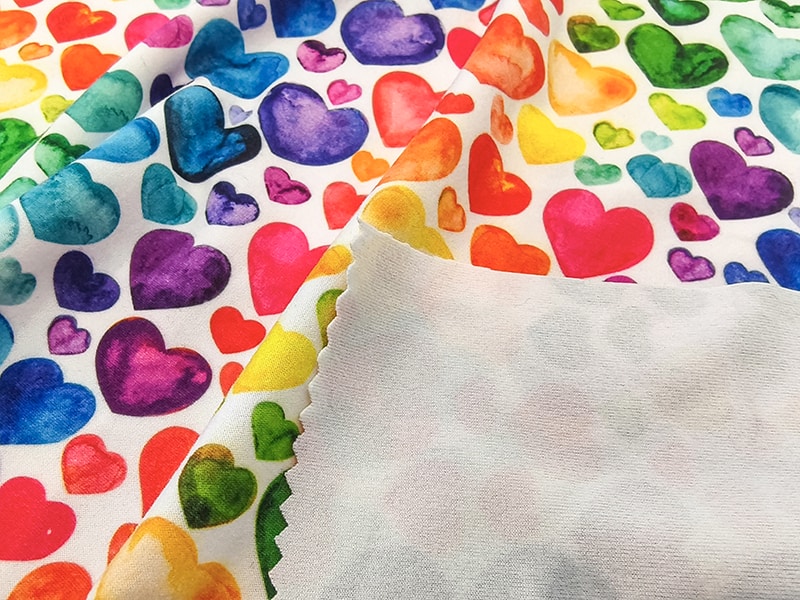
Screen printing is suitable for polyester with the right compatible ink. Ink is transferred onto the fabric surface via a mesh screen. Since heat can trigger dye migration within polyester, low‑bleed inks and closely controlled curing temperatures help lower the chance of discoloration. Suitable ink formulations and controlled thermal processing can reduce potential fabric damage. Good ink adhesion relies on the ink system, fabric surface condition and correct curing parameters. Test the ink‑fabric combination before bulk printing.
Screen printing may be a good fit for polyester when:
- You are producing a larger run: The setup process can make screen printing more economical when many pieces use the same design.
- You need an opaque print on a dark base: A suitable ink system may provide better coverage than conventional sublimation transfer.
- You want a particular surface effect: Specialty inks can create different finishes, depending on their compatibility with the fabric.
- You are printing polyester or polyester blends: The ink, curing conditions, and fabric should be checked together to reduce the risk of dye migration and poor adhesion.
Dye migration is a common challenge for screen printing on pre‑dyed polyester. When heated, dyes within the colored fabric can migrate out of the polyester and into the ink film, shifting the final printed color. The effect is most obvious for light‑toned prints laid over red or other dark, saturated fabric bases. Appropriate low‑bleed inks together with tightly managed heat exposure help mitigate the issue. Pre‑production testing of your fabric and ink set is recommended.
Other Methods: DTF and HTV
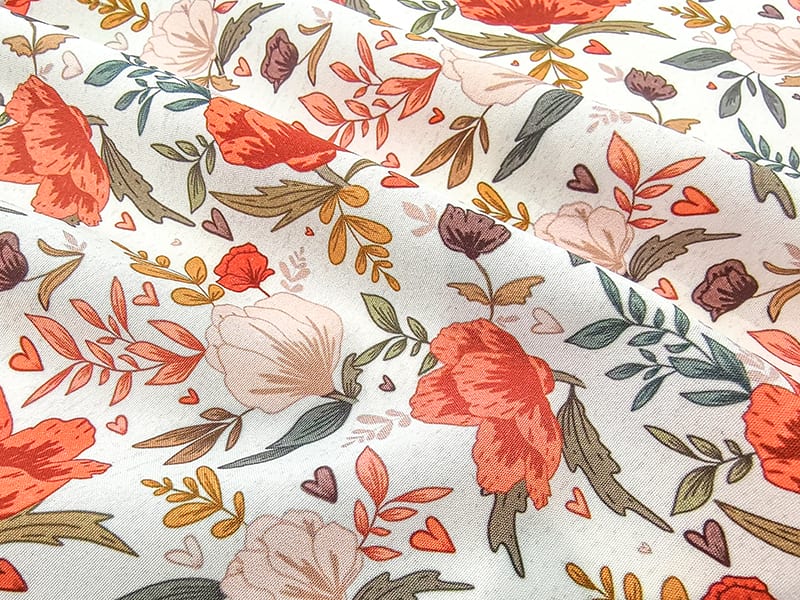
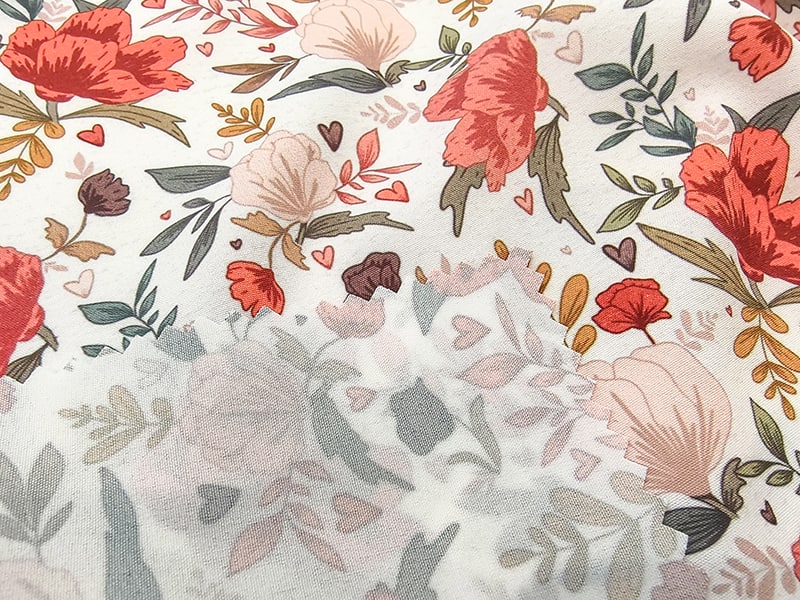
Direct-to-Film (DTF) and Heat Transfer Vinyl (HTV) are additional options for decorating suitable polyester garments. DTF first prints the design onto a transfer film, then transfers it to fabric via heat and pressure. HTV relies on pre‑colored vinyl cut into shapes or lettering and heat-pressed onto the textile surface. These two techniques are best suited for placed elements such as logos and garment lettering, not continuous all‑over fabric prints.
| Printing method | Common uses | Points to consider |
| DTF | Multicolor graphics, logos and detailed garment designs | The feel and durability depend on the transfer materials and application conditions. |
| HTV | Lettering, numbers and simple shapes | The applied vinyl can create a more noticeable surface layer. |
| Sublimation transfer | Detailed designs on suitable polyester fabric | Works best on white or light-colored polyester and is not suitable for every fabric composition or base color. |
DTF works well for detailed, multicolor designs, while HTV is more commonly used for names, numbers and simple shapes. Unlike sublimation, in which dye diffuses into compatible polyester fibres, DTF and HTV leave transfer layers sitting on the fabric surface, resulting in a different tactile feel. How long these designs last depends on the transfer materials, heat press settings and how the finished garment is washed and cared for. Verify whether the selected process works for continuous full‑width print layouts.
- Temperature Sensitivity: Excessive heat during application can damage polyester fabric or cause scorching.
- Weeding Challenges: Removing excess vinyl can be time-consuming, especially when working with small or intricate designs.
- Durability Concerns: HTV designs may crack or peel over time if the material is not applied correctly or the garment is not properly cared for.
When choosing a polyester printing method, consider your project, desired appearance and durability. Sublimation is commonly used on white or light-colored polyester, but it is not suitable for every polyester fabric. For dark polyester fabrics, printing methods that use opaque inks or transfer layers, such as compatible screen printing systems or DTF, are generally more suitable. Screen printing can be used on dark polyester when a suitable opaque ink system is selected and dye migration is properly controlled. DTF and HTV are more commonly used for placed graphics, such as logos, names and lettering.
Pros and Cons of Polyester Printing Methods
Durability and Color Quality
The durability of Polyester printed fabrics depends on the printing method, materials and processing conditions. Sublimation transfer allows dyes to diffuse into polyester fibres, so the design does not form a separate ink layer that can crack or peel. Screen printing and DTF create a layer on the fabric surface, and their durability depends on ink or transfer quality, proper curing or application, and garment care. For projects with specific wash or lightfastness requirements, check the relevant test results before production.
| Printing Method | color and Print Appearance | Durability Considerations |
| Sublimation | Detailed, vibrant designs on compatible light-colored polyester | No separate ink film; colorfastness depends on dyes and processing |
| Screen Printing | Suitable for solid colors, opaque graphics and specialty finishes | Depends on ink compatibility, curing and dye migration control |
| DTF | Detailed, multicolor graphics with good coverage | Depends on transfer film, adhesive, heat application and aftercare |
Why Does Sublimation-Printed Polyester-Spandex Fabric Look White When Stretched?
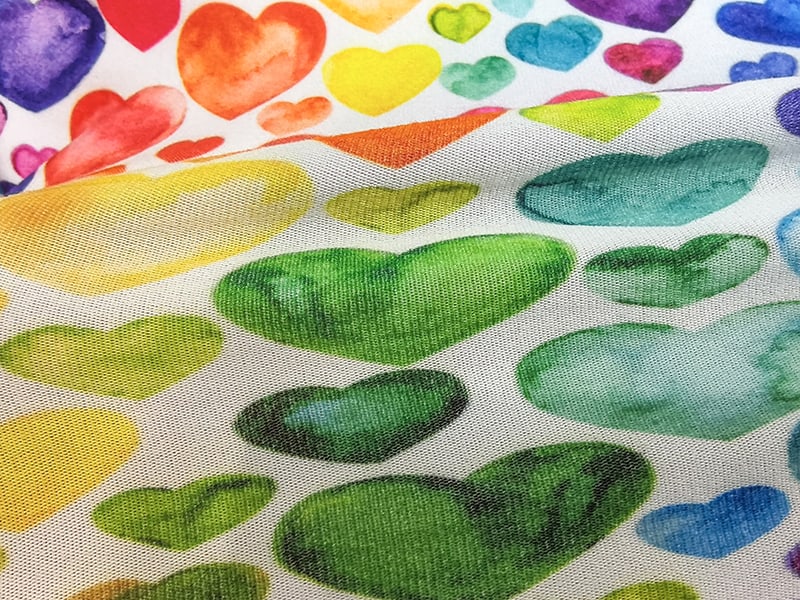
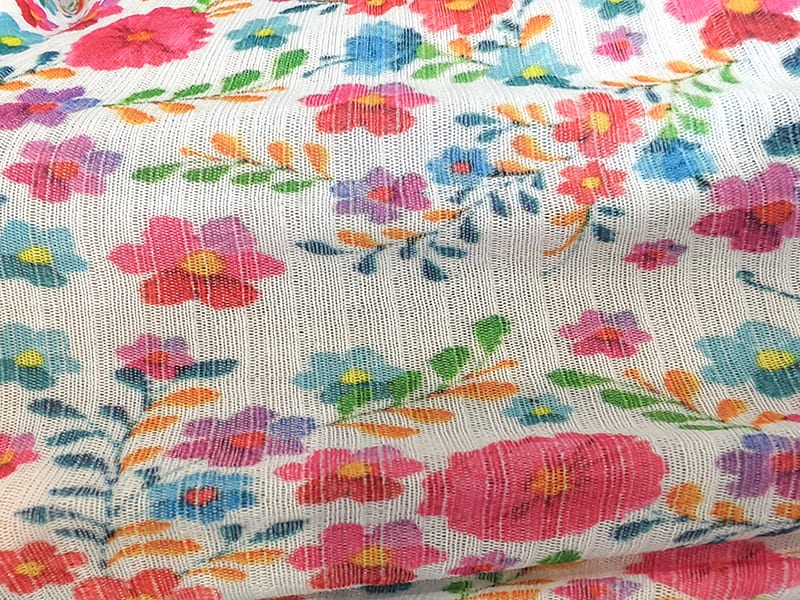
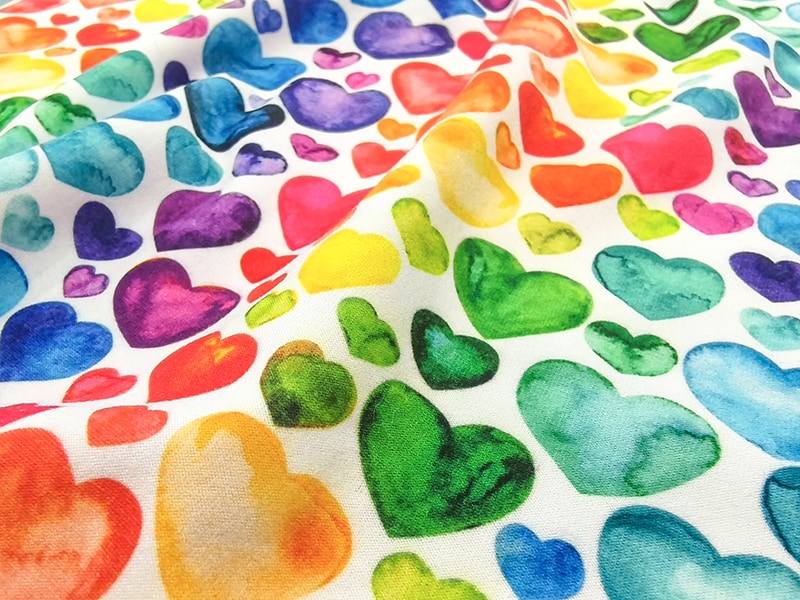
Sublimation-printed polyester-spandex fabrics may appear lighter or slightly whitish when stretched. One factor is the difference in dye uptake between polyester and spandex. Disperse dyes used in sublimation printing are mainly absorbed by polyester fibres, while spandex does not take up these dyes in the same way.
Stretching also changes the arrangement of the knitted loops and yarns, which can expose lighter areas and alter how light reflects from the fabric surface. If the lighter appearance disappears when the fabric is released, it is generally a temporary visual change rather than a sign of dye loss or print damage.
Order Size and Design Complexity
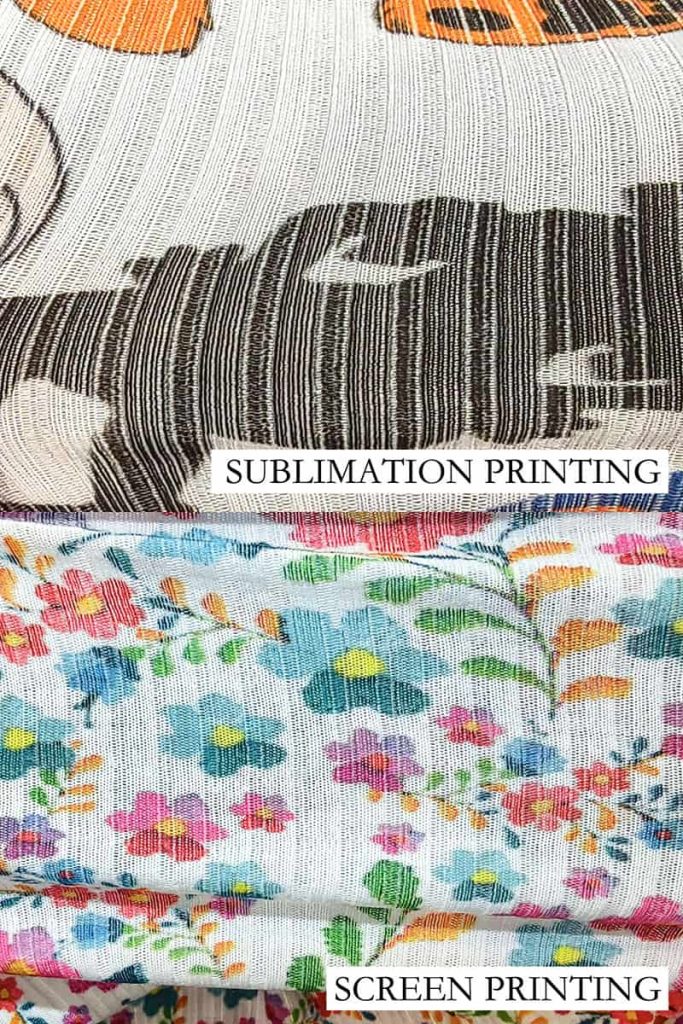
Order quantity and design complexity both affect the choice of printing method. Screen printing is often more cost-effective for larger runs of the same design because the setup cost is spread across more pieces. Sublimation is suitable for detailed, full-color designs on compatible polyester fabrics, while DTF works well for smaller runs of detailed graphics. HTV is generally a better fit for simple lettering, numbers and shapes.
| Printing Method | Common Applications | Main Considerations |
| Sublimation transfer | Detailed, multicolor designs and all-over prints on suitable polyester fabrics | Works best on white or light-colored polyester; fabric composition and heat tolerance matter. |
| Screen printing | Repeated designs on larger production runs; selected graphics on dark polyester | Requires compatible inks and careful control of heat to reduce dye migration. |
| DTF | Detailed graphics, logos, and multicolor garment designs | Transfer materials affect the surface feel and durability. |
| HTV | Names, numbers, lettering, and simple shapes | Leaves a vinyl layer on the fabric surface. |
Cost and Production Speed
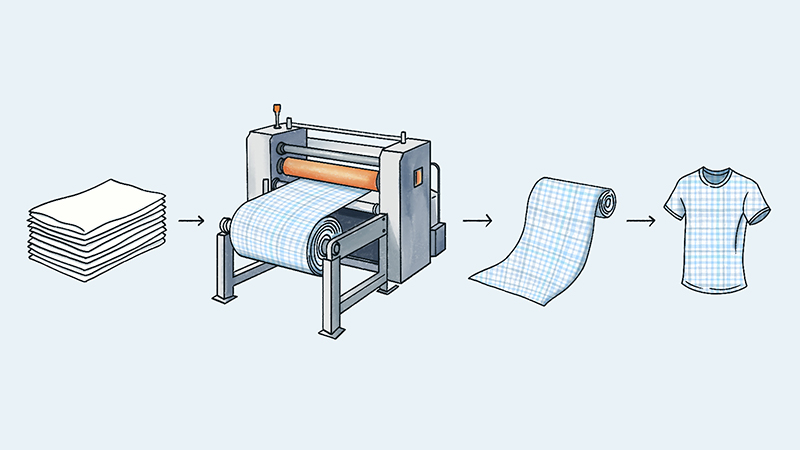
The cost and production timeline of polyester printing vary with design details, print area, order quantity, equipment and finishing requirements. Screen printing can offer a lower cost per piece for larger runs of identical designs because the setup cost is spread across more pieces. DTF and HTV are frequently selected for individual garment graphics and have relatively quick processing. Sublimation is suitable for full color and all over patterns on appropriate polyester substrates. To compare costs reliably, obtain a quotation based on your specific fabric, design, quantity and finishing needs.
Common Challenges in Polyester Printing
Dye Migration and How to Prevent It
Dye migration is a possible concern for polyester printing. Under heat, dyes within the polyester substrate can migrate into the overlaid ink layer and shift the printed color. This issue is not guaranteed to appear on every polyester fabric; risk levels are determined by the fabric dye type, ink system, heating temperature and dwell time. For instance, a white graphic printed on red polyester might turn pink following heat treatment. Pre‑production testing with your specific fabric and ink is recommended to assess the risk.
Printers can reduce the risk of dye migration by taking several precautions:
- Choose compatible inks: Use an ink system designed for polyester and the intended fabric color.
- Control heat exposure: Follow the ink manufacturer’s curing requirements while avoiding unnecessary heat or excessive dwell time.
- Consider a suitable blocker: For some dark or strongly colored fabrics, a compatible barrier layer may help reduce dye migration into the print.
- Test before production: Test the actual fabric and printing materials under the intended processing conditions. This is especially important when working with dark polyester or fabrics with a history of dye migration.
| Technique | Description |
| Low-Cure Temperature | Specially formulated inks that cure at lower temperatures can help reduce the risk of dye migration, provided the recommended curing conditions are met. |
| Gray or Barrier Underbases | A suitable underbase can help block migrating dyes from affecting the top ink layer. |
| DTF Transfers | DTF transfers can also experience dye migration when applied to dyed polyester fabrics. Choosing transfer materials designed for polyester and controlling the heat press settings can help reduce this risk. |
Ensuring Print Durability
How long a polyester print lasts depends on fabric, print materials, processing and care. A smooth, tight fabric surface supports crisp details. Sublimation embeds dyes into polyester fibres instead of laying ink on top, but its color fastness still relies on the chosen materials and process. Do not assume sublimation alone prevents fading from washing or sunlight. For defined wash or light fastness requirements, review relevant test results before production.
Maintaining Fabric Feel
The printing method affects the hand feel of finished polyester. Sublimation allows the dye to diffuse into the polyester fibres without adding a separate ink layer to the surface. This generally helps retain the fabric’s original hand feel compared with methods that leave a transfer layer on top. DTF and HTV form a transfer layer on the fabric surface, and the texture becomes more noticeable depending on the material and print size.
| Printing Method | Effect on Fabric Feel |
| Sublimation transfer | Usually leaves no separate ink film on compatible polyester, helping preserve the fabric’s original surface feel. |
| DTF | Adds a transfer layer; the feel depends on the film, adhesive, and printed area. |
| HTV | Adds a vinyl layer; larger or thicker designs may be more noticeable to the touch. |
How to Choose the Best Printing Method
Decision Guide: Project Type and Order Size
Before selecting a printing method, check the fabric composition, base color and heat tolerance. The design, print area and order quantity also matter, as they affect the final appearance and production cost.
| Criteria | What to Consider |
| Project Type | Consider whether the fabric will be used for clothing, sportswear, home textiles, or another product. |
| Fabric Composition and Color | Check the fiber content, base color, stretch, and heat tolerance before selecting a printing method. |
| Order Size | Screen printing can be cost-effective for larger runs of the same design, while the best option for smaller or customized orders depends on the project. |
| Design Requirements | Consider the number of colors, level of detail, print placement, and whether you need an all-over design. |
| Supplier Selection | Choose a supplier familiar with the fabric and printing process you intend to use. |
| Total Cost | Compare fabric, printing, finishing, and shipping costs for the actual order. |
| Quality Checks | Request a sample or relevant test results when color accuracy, durability, or fabric performance is important. |
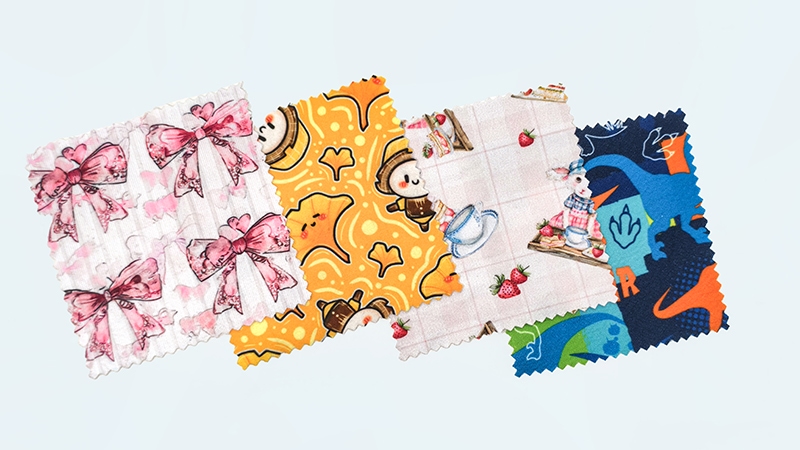
Sublimation transfer is well suited for continuous all‑over patterns on suitable polyester fabrics, while screen printing offers economic advantages for bulk repeat orders. DTF handles intricate garment graphics, and HTV is widely used for lettering and basic shapes.
Matching Your Needs with Doris Custom Prints
Doris Fabric offers custom-printed polyester fabrics using heat-transfer printing. You can choose from different polyester bases and designs to create fabric for clothing, sportswear, home projects and other sewing needs.
The fabric composition, base color and intended use all matter when choosing a suitable material for your project. If you are unsure which fabric to choose, contact us before ordering so we can help you check its suitability.
Custom printed orders start at 48 yards or 48 pieces in total, and you can mix different fabric types and print designs to meet the minimum quantity. We also offer edge finishing options, including rough cut, folded hem and overlock hem.
FAQ
What is the best fabric color for sublimation on polyester?
Sublimation works best on white or light-colored polyester. The dyes are transparent, so they cannot provide opaque coverage on dark fabrics. The final result also depends on the fabric composition and processing conditions. If your project has specific colorfastness requirements, ask your supplier for relevant wash and lightfastness test results before ordering.
What is the minimum order for Doris custom-printed polyester fabric?
Doris Fabric accepts custom printed fabric orders starting from 48 yards or 48 pieces in total. You can mix different fabric types and print designs to meet the minimum quantity. If you are unsure whether your selections qualify, contact us before placing your order.
What should I check before ordering custom polyester fabric?
Check the fabric composition, base color, design requirements, and minimum order quantity. If your project has specific requirements for color accuracy, washfastness, or lightfastness, ask about sample testing before placing a larger order.