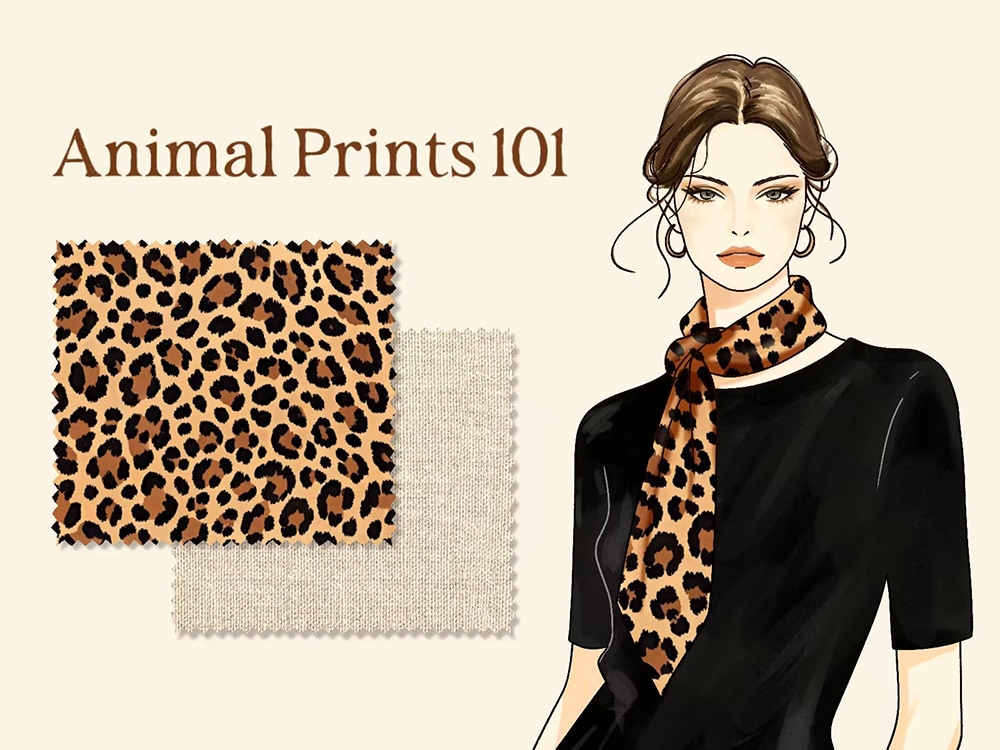
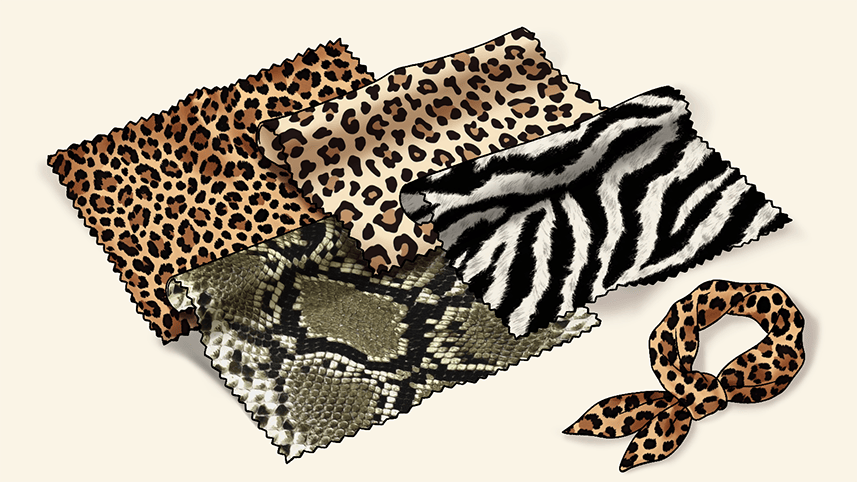
Animal‑print fabrics feature patterns inspired by animal markings, such as leopard spots, zebra stripes, snakeskin scales, cheetah markings and giraffe prints. These motifs can be printed onto fabric surfaces or incorporated into the textile structure through weaving or knitting, and they are available on both woven and knitted fabric bases.
For home sewers and DIY enthusiasts, these versatile textiles can be used for clothing, accessories and home décor. At Doris Fabric, animal-inspired prints are available on a range of fabric bases, from lightweight rayon with a fluid drape to heavier woven materials. Whether you want a bold statement piece or a subtle accent, consider the fabric’s weight, stretch and finish when choosing a suitable option for your project.
Key Takeaways
- Animal prints come in many styles: Popular designs include leopard, cheetah, tiger, zebra, snakeskin, giraffe, crocodile, and cow prints.
- Fabric composition matters: Fibre content, fabric construction, weight, stretch, and finish all influence how a fabric looks and performs.
- Print scale affects the finished design: Small, medium, and large patterns can create different visual effects, depending on the garment or project.
- Match the fabric to its intended use: Clothing, accessories, and home décor may require different levels of drape, stability, stretch, and durability.
- Check specifications before ordering: Review fabric width, care instructions, print repeat, colour options, and relevant performance information before making a purchase.
Why Animal Prints Have Lasting Appeal
A Brief History of Animal-Print Fabrics
Animal-inspired patterns have appeared in clothing and decorative textiles across different periods and cultures. Their meanings and uses have varied, ranging from natural materials and symbols of status to fashion statements and decorative motifs. The development of textile printing made animal-inspired patterns more accessible for fashion and interior design. As printing technologies evolved, manufacturers gained more ways to reproduce animal markings in different colours, scales and finishes.
During the 1960s and 1970s, animal prints appeared in a variety of fashion contexts, alongside wider experimentation with bold patterns and expressive styling. Their visibility in popular culture contributed to the continued presence of animal-inspired designs in modern fashion.
Why Animal Prints Never Go Out of Style
Animal prints remain versatile because they can be styled in different ways. A small animal-print detail can add visual interest to a simple outfit, while a larger pattern can become the main design feature. Pairing animal prints with solid colours or simple silhouettes can help create a balanced look. The overall effect depends on the print scale, colour contrast, fabric texture and pattern placement.
Advances in textile printing have expanded the options available for custom animal-print designs. Depending on the supplier’s capabilities, customers may be able to adjust pattern scale, colour combinations, placement and repeat layouts to suit a specific project. Before placing a custom order, confirm the available fabric bases, minimum order quantity, printing method, colour-matching process and sampling options. Requesting a sample can be particularly useful when precise colours or pattern alignment are important.
Popular Types of Animal Print Fabric
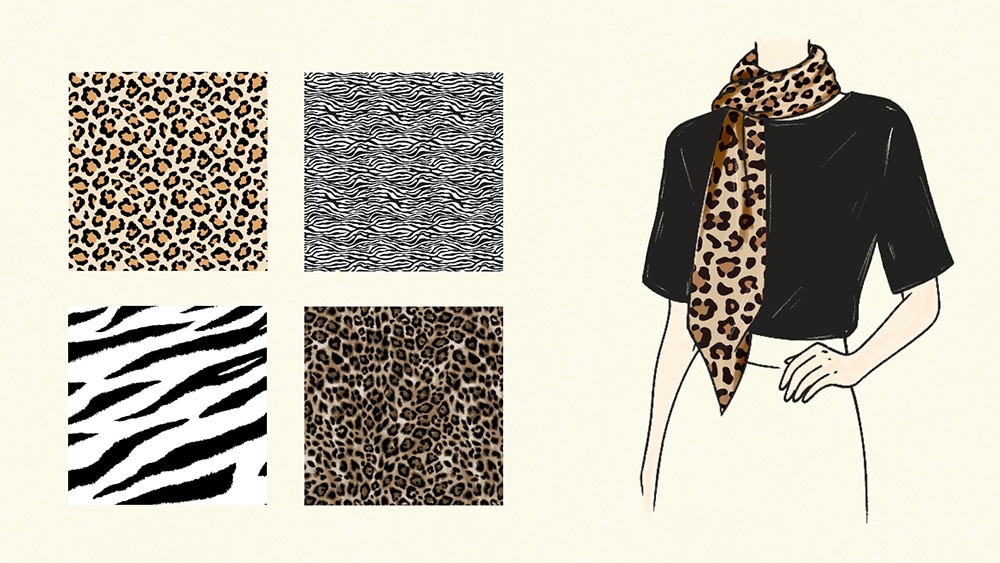
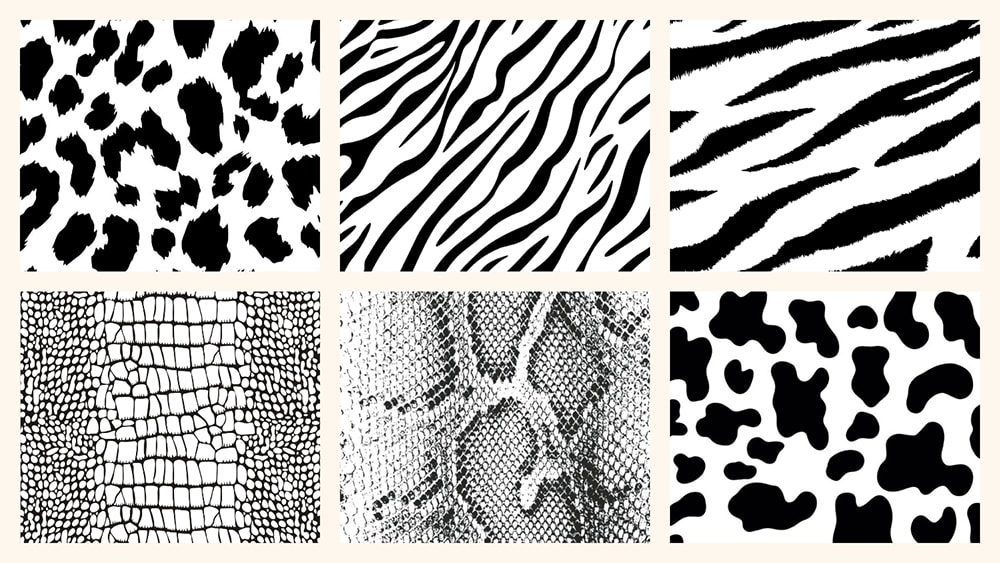
Animal-print fabrics are available in a range of patterns inspired by different animals. Each design has recognisable visual characteristics, although colours, shapes and levels of detail can vary between designs. Understanding these differences can help you choose a pattern that suits your style and intended application.
Different Types of Animal-Print Fabrics
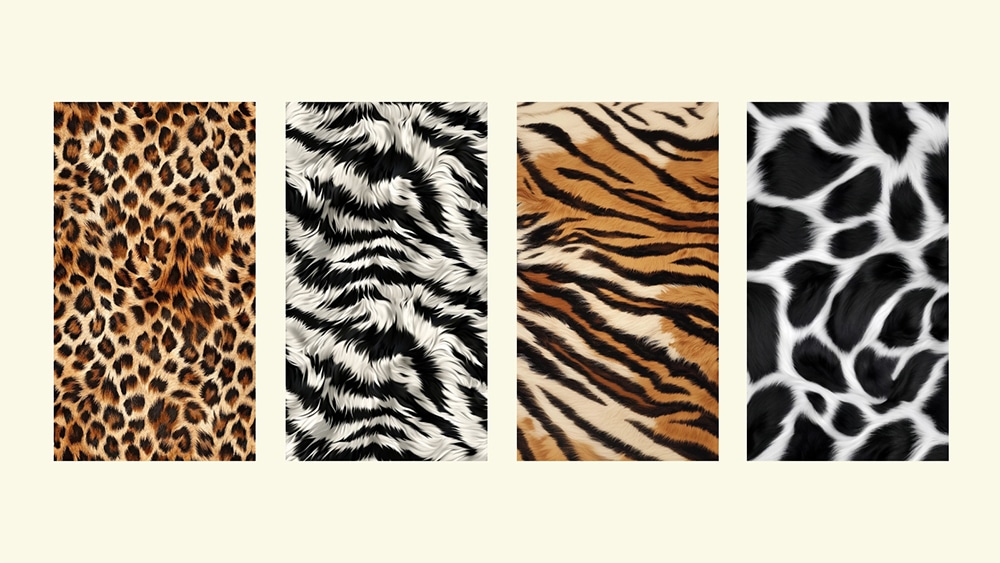
Leopard print is one of the most recognisable animal-print patterns. It commonly features rosette-like spots with darker outlines and lighter centres, although details vary between designs. Often set against a warm tan or brown background, the pattern can be used for garments, accessories and home accents. Choose the base fabric according to the structure, drape and durability required for your finished item.
Leopard print is often used in evening wear, where it can create a distinctive look. A leopard-print dress or coat can make the pattern a focal point, while scarves and handbags offer a more subtle way to incorporate it into an outfit.
At first glance, cheetah print may resemble leopard print, but cheetah-inspired designs typically feature solid dark spots rather than the rosette shapes commonly associated with leopard print. Spot size and spacing vary between designs, and the spots generally lack the lighter centres found in leopard rosettes. This gives cheetah print a more graphic appearance. It can be used for casual clothing, such as T-shirts and leggings, as well as accessories. Choose the base fabric according to the item’s fit, drape and care requirements.
Tiger-inspired prints feature stripes of varying widths and spacing. Traditional designs often combine black and orange, while white tiger prints use a grey-and-white palette. Other colour variations are also available. Tiger print can be used for statement coats and accessories. Because stripe direction and scale affect the finished appearance, check motif placement on your pattern pieces before cutting. Vertical stripes can create an elongated visual effect on the wearer, depending on stripe width, spacing, contrast and garment construction.
Other Popular Animal-Print Fabrics
Zebra-inspired prints typically feature high-contrast stripes, often in black and white. The stripes may vary in width, direction and spacing. Their graphic appearance can make them a strong feature on larger panels. In interior design, zebra-print fabric can be used for cushion covers, curtains, tablecloths and selected furniture accents. For example, it can be paired with solid-coloured seat cushions to create contrast. When using the fabric for cushions or upholstery, check its width, construction and suitability for the intended use, and plan stripe placement before cutting.
Snakeskin prints use repeating scale-like shapes to imitate reptile skin. The fabric surface may remain smooth unless the base textile has a separate textured or embossed finish. Snakeskin print can be used for accessories such as belts, footwear and small handbags, adding pattern and visual interest to an outfit.
Giraffe-inspired prints often feature irregular, block-like patches separated by contrasting lines. Many designs use a light-brown background, although colours and pattern scales can vary. These prints can be used for shirts, skirts and other garments. Review the actual colours and scale of the print when choosing a fabric for your project.
Crocodile-inspired designs can be made as flat printed patterns or embossed surfaces with raised texture. These produce two distinct effects: a flat printed motif alone will not add tactile texture to the fabric. Crocodile-print materials can be used for bags and accessories, while embossed finishes add a more pronounced surface texture. When selecting a material for your project, check its construction and finish to ensure they are suitable for the intended use.
Cow print commonly features irregular patches, often in black and white, although other colour combinations are also available. The pattern can be used for casual items such as patchwork quilts, aprons and children’s clothing. Choose a base fabric that meets the project’s requirements for comfort, structure and care.
| Animal | Pattern Elements | Possible Applications |
| Leopard | Spots or rosettes, often with lighter centres | Garments, accessories, statement pieces |
| Tiger | Dark stripes against a contrasting background | Statement clothing, bags, decorative projects |
| Zebra | Contrasting stripes with varying widths and directions | Clothing, cushions, accessories |
| Snake | Repeating scale-like shapes | Accessories, garments, decorative details |
| Giraffe | Irregular polygonal patches | Clothing, bags, home décor |
| Crocodile | Scale-inspired pattern; may be printed or embossed | Accessories, bags, selected upholstery materials |
| Cheetah | Typically solid dark spots without lighter centres | Clothing, accessories, statement pieces |
| Cow | Irregular contrasting patches | Clothing, bags, craft and decorative projects |
Animal prints are available on both woven and knitted fabrics. Lightweight materials with a soft drape may suit flowing dresses and blouses, while cotton fabrics with more structure can work well for shirts and A-line skirts. Fabrics containing spandex may be suitable for fitted garments or activewear when their stretch and recovery meet the project’s requirements. However, spandex content alone does not guarantee suitability for activewear. Heavier woven fabrics can provide more structure, but weight alone does not establish whether a fabric is suitable for upholstery or cushion covers. Brushed or heavyweight knits may be suitable for cooler-weather tops. Always check the fabric’s specifications before making a final selection.
Fabric suitability depends on more than fibre content. Construction, weight, thickness, finish and relevant performance characteristics also affect how a fabric behaves. For example, lightweight polyester and structured polyester upholstery fabric can perform very differently despite sharing the same primary fibre.
Choosing the Right Animal Print Fabric
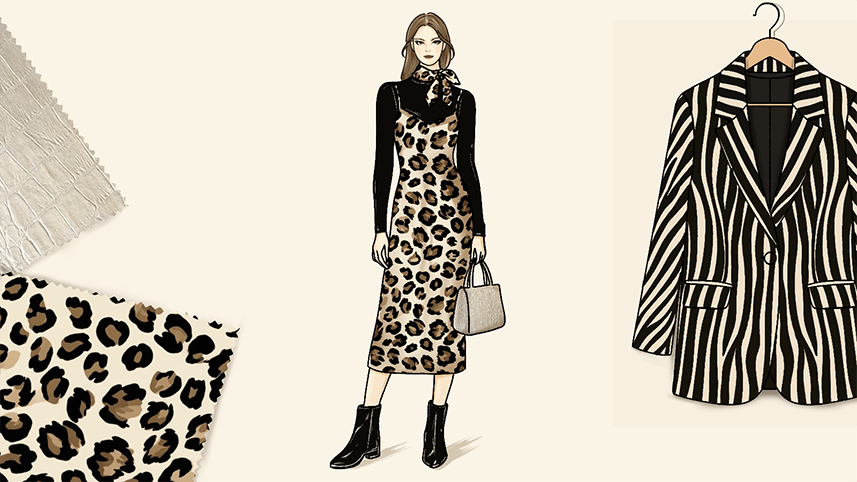
Choosing the right animal-print fabric involves balancing the pattern’s visual effect with the practical requirements of the project. Pattern scale, colour contrast and fabric construction can all affect the finished result. Considering these factors together can help you select a fabric that suits both the design and its intended use.
Matching Pattern Scale, Color, and Project Type
The type of project helps determine which fabric is most suitable. Stretch knits may work well for leggings and fitted garments when their stretch and recovery are compatible with the sewing pattern. Woven cotton can suit quilts and structured shirts, while some rayon (viscose) fabrics are chosen for their drape. However, fibre content alone does not guarantee a particular feel or drape. Velvet also varies in construction and weight, so its suitability for evening wear depends on the specific fabric. For athletic apparel, check relevant performance specifications rather than relying on broad marketing labels such as “functional” or “performance fabric”.
Pattern scale affects the appearance of the finished piece. The table below provides general guidance on how different print scales may work across various projects.
| Print Scale | Possible Project Uses | Potential Visual Effect |
| Micro/Small | Accessories, delicate items | Often creates a more subtle, finely detailed appearance |
| Medium | Garments, moderate pieces | Offers a balance between pattern visibility and detail |
| Oversized/Large | Upholstery, statement pieces, substantial garments | Often creates a stronger visual focal point |
Consider pattern scale alongside the size and shape of the finished item. Large motifs may require extra fabric to maintain consistent placement across seams, while smaller motifs may be easier to arrange on narrow pieces. Before cutting, check the pattern repeat and allow enough fabric for matching where necessary.
Large-scale prints can create bold effects on blazers, skirts and decorative panels, although pattern size should not be tied rigidly to specific uses. Oversized leopard spots or zebra stripes may work well on broad panels, but parts of a motif may be cut off on smaller pieces. Smaller-scale patterns can be easier to arrange on accessories and other small projects, although they are not limited to these uses. Before cutting, preview the print at its actual scale alongside your pattern pieces and allow for pattern matching where necessary.
The direction of a pattern can also affect the finished look. Vertical or diagonal arrangements may create a directional visual effect depending on stripe width, contrast, spacing and garment construction.
Animal prints can be paired with solid colours to create a balanced design. Black, white, beige, brown and other neutral tones are common options, although the best combination depends on the colours already present in the print.
For clothing, a simple base colour can help the animal-print piece stand out. For accessories, smaller printed details can introduce pattern without dominating the overall look. In home décor, consider the colours of surrounding furniture, walls and textiles before selecting a high-contrast or oversized design.
In home décor, neutral tones such as beige, taupe, white and cream can complement animal prints. For example, a leopard-print area rug can stand out against beige walls, simple wooden furniture and cream-coloured fabrics without overwhelming the room.
Considering Fabric Bases and Custom Print Options
The choice of base fabric affects both the appearance of an animal print and the performance of the finished item. Fibre content alone does not determine print clarity or overall performance; construction, surface texture, finishing and printing method also matter. Woven cotton may provide clear printed details for shirts and bedding, depending on the fabric surface and printing process. Polyester blends may suit projects involving frequent use or washing, but durability should be assessed using the product’s specifications rather than fibre content alone. Rayon (viscose) may provide a fluid drape for blouses and dresses, while velvet can add texture to an animal-print design.
For guidance on matching fabric types to your sewing project, consult the Doris Fabric guide to fabric construction, weight, stretch and drape. Ready-made prints are a convenient option when an available design and scale suit your project. Custom printing may be worth considering if you need a specific colour palette, artwork or repeat size that is difficult to find in existing designs. For many DIY projects, ready-made animal prints may be sufficient.Compare the fabric specifications and, where possible, review a sample before making a final decision, particularly when drape, stretch, texture or colour matching is important to your project.
Creative Uses for Animal Prints
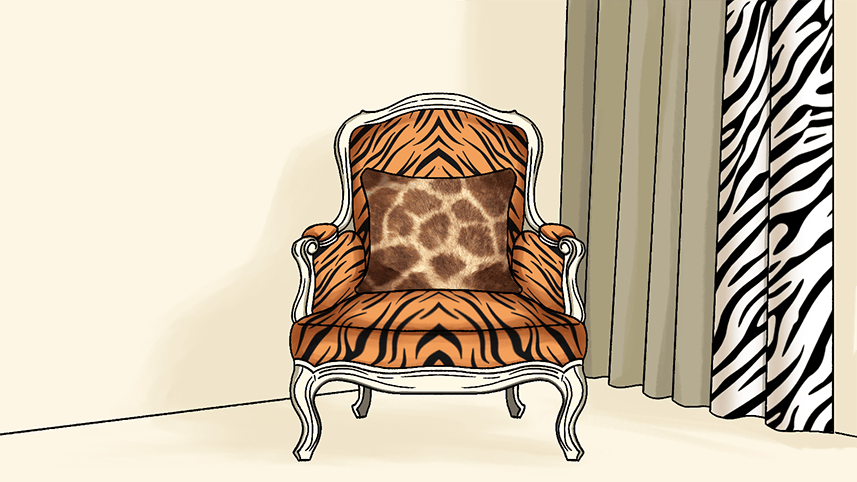
Animal-print fabrics can be used for clothing, accessories and home décor. The same motif can look different depending on the fabric and the size of the finished piece. When planning a project, consider both the visual effect of the print and the practical requirements of the item.
Fashion and Accessory Inspiration
For garments, choose the base fabric according to the desired silhouette. A fabric with a fluid drape may suit a flowing wrap dress, while a more structured woven fabric may be better for a tailored jacket. Consider the print’s scale and contrast, and check that the fabric’s weight and construction are compatible with the sewing pattern.
For example, a leopard-print wrap dress in silk charmeuse or a suitable lightweight knit can create a bold look. A cheetah- or zebra-print blazer in cotton twill or a wool blend may provide a more structured silhouette. Snake-print fabrics in silk chiffon or satin can be used for scarves, cuffs or collars where a softer drape is desired.
When selecting animal-print fabric for garments, consider how the pattern will appear across seams, darts and pleats. Drape and stretch are particularly important for fitted garments. If the design requires pattern matching, allow extra fabric for repeat alignment and cutting waste.
When choosing animal-print fabric for accessories, consider the item’s structure as well as its appearance. A tote or pouch may need a fabric with enough body or an added lining or interfacing, while a scrunchie or scarf may suit a softer material. For example, leopard-print cotton canvas can be used for a tote bag, while cheetah-print silk satin may suit a scrunchie or headband. Tiger-print fabric can also be used for belts or footwear embellishments. A printed crocodile motif is different from an embossed faux-leather finish, which provides a raised surface texture for items such as wallets and phone cases.
Home Decor and DIY Projects
Animal-print fabrics can be used for cushions, decorative panels and other home accents when the material suits the intended use. Leopard-print cushions can add contrast to a neutral-toned sofa, while zebra-print fabric can create a focal point on an ottoman or armchair. Upholstery requires particular attention to fabric construction and relevant performance requirements; a bold print alone does not make a fabric suitable for furniture. Snake-print fabric can also be used for curtains, depending on its weight and drape. Smaller remnants may be suitable for pouches, scrunchies or other accessories, depending on their size and handling.
For home décor projects, choose fabric according to its intended use. Cushion covers, decorative panels, curtains and frequently used upholstered items may have different requirements for weight, abrasion resistance, colourfastness and cleaning.
A fabric suitable for a decorative cushion is not automatically suitable for frequently used upholstery. Check the supplier’s specifications and relevant test results against the intended application before making a decision.
Leftover animal-print fabric can be used for a variety of DIY projects. Depending on the fabric’s weight and structure, scraps may be suitable for storage baskets, quilted cosmetic pouches or hair scrunchies. More structured or durable fabrics may also work for desktop organisers or protective sleeves for tablets.
Animal-print fabric can also be used as wall décor by placing it in a picture frame or stretching it over a canvas frame. Cushions and throws can introduce the pattern into a room, while solid-coloured fabrics, denim, leather or neutral textures can be used alongside animal prints to create contrast.
Before buying, check the fabric’s construction, weight, width, stretch where relevant, print repeat and care instructions. If a specific performance characteristic is important to your project, look for product-specific specifications or test information.
Before You Buy: A Quick Specification Check
Before choosing an animal-print fabric, consider the following points:
- Fabric composition and construction: Check the fibre content and how the fabric is made.
- Weight and drape: Consider whether the fabric provides the structure or fluidity required for your project.
- Print scale and repeat: Confirm that the pattern size and repeat work with the dimensions of the finished item.
- Colour and print quality: Review the colour options and request a sample if colour accuracy or pattern detail is important.
- Care and performance: Check the care instructions and any relevant performance specifications for the intended application.
These checks can help you compare fabrics more accurately and select an option that meets both your design and practical requirements.
FAQ
Which fabrics are best for animal-print garments?
The best animal-print fabric depends on the garment style and desired fit. Lightweight fabrics may suit blouses and flowing dresses, while more structured fabrics may work better for jackets and tailored pieces. Stretch fabrics can be useful for fitted garments when their stretch and recovery suit the design. Consider the fabric’s drape, weight, comfort and care requirements before choosing.
How should animal-print garments be cared for?
Care instructions depend on the fabric composition, construction, printing or dyeing method, and finish. Always follow the supplier’s care instructions. If you are unsure how the fabric will respond to washing, test a small sample first.
Can different animal prints be combined in a single outfit?
Yes. Different animal prints can be mixed in one outfit, but the final look depends on their scale, color contrast and visual complexity. Pairing one dominant print with a smaller or more subdued pattern can help create balance. Shared colours or solid-colour elements can also help connect the patterns. The best combination depends on the overall look you want to achieve.