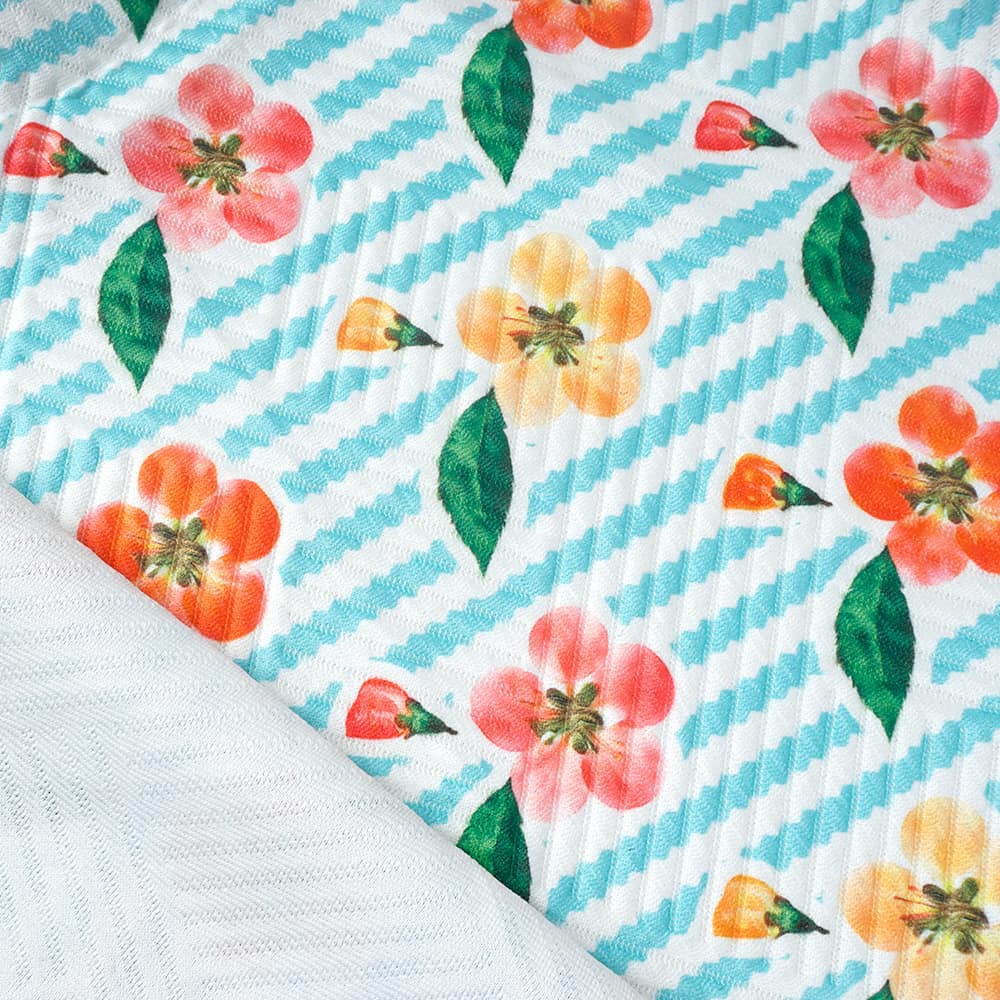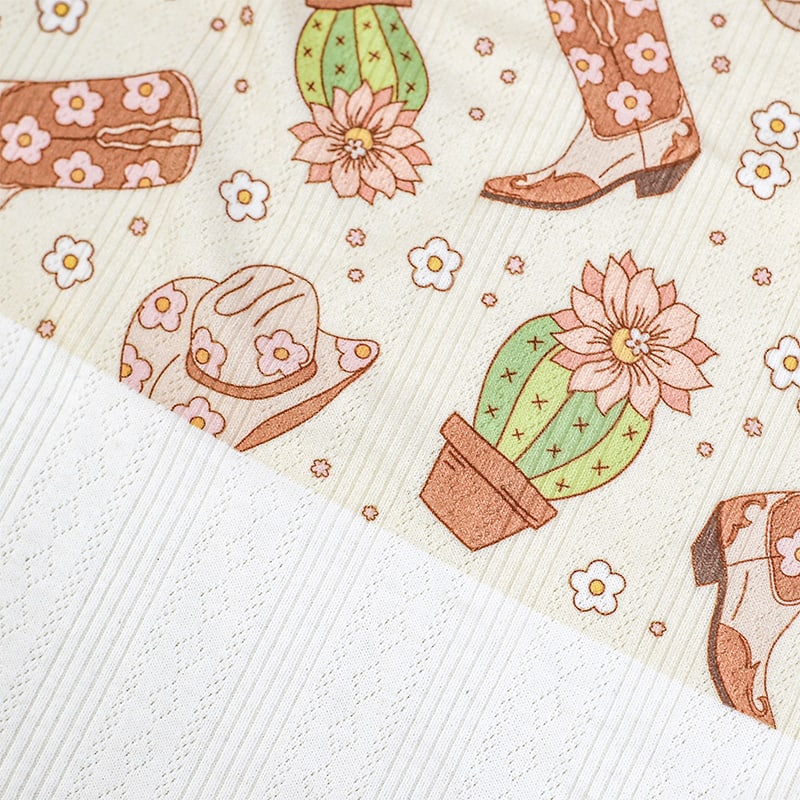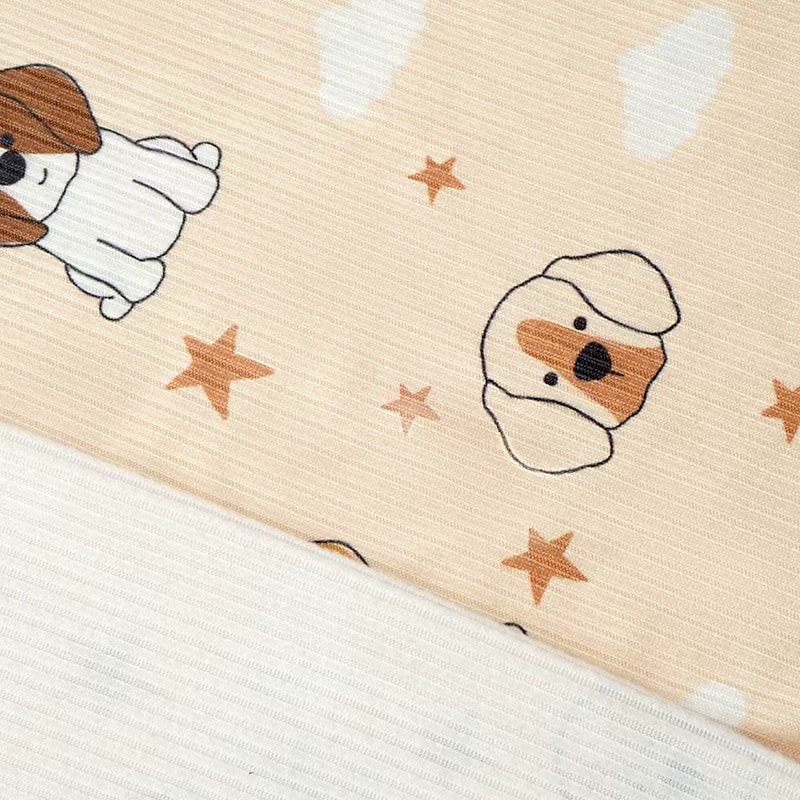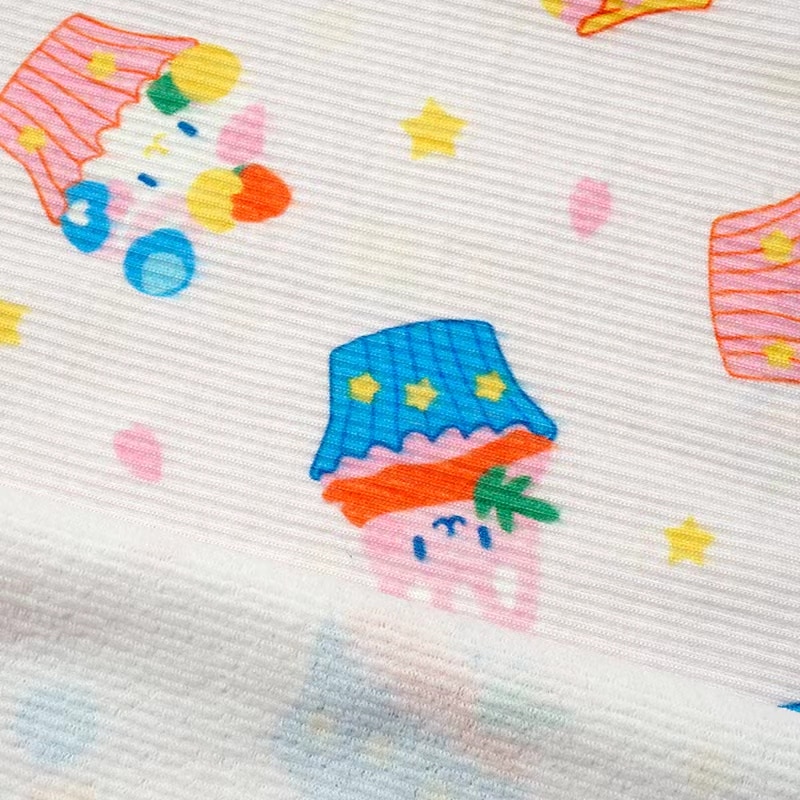
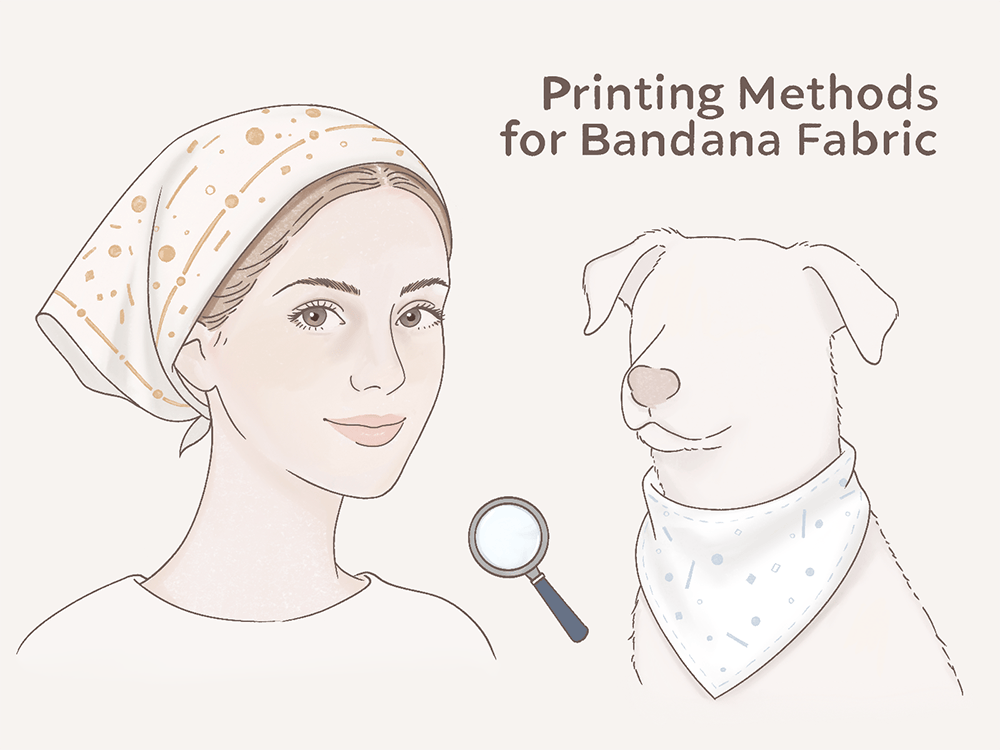
Choosing the right printed fabric for a bandana starts with understanding its fiber composition. Cotton fabrics can be printed using methods such as screen printing and direct digital printing. Polyester fabrics are commonly printed using dye sublimation, while blended fabrics may use digital pigment printing or other methods suited to their fiber content. Each process produces a different print result, so it’s worth considering the fabric, design, and finished look you want before choosing your material.
Key Takeaways
- The best printing method depends on the fabric composition. Screen printing and direct digital printing are common options for cotton, dye sublimation is widely used on polyester, and digital pigment printing can be used on suitable blended fabrics.
- Different printing methods produce different results. Consider your design’s colors, details, and overall appearance when choosing printed fabric.
- Fabric color, fiber content, and intended use all affect the final print result. Check the fabric’s care instructions to understand how to maintain the printed design.
- Consider how much fabric your project requires and choose a material that suits both your bandana design and budget.
Printing Methods for Bandana Fabric
The right printing method for bandana fabric depends on the fabric composition, design, and print effect you want. Different processes have their own strengths when it comes to color reproduction, detail, and production cost. Here are some common methods used to print fabrics suitable for making bandanas.
Screen Printing
Screen printing is widely used on cotton and other compatible fabrics. Ink is pushed through a mesh screen onto the fabric, while a stencil controls where the design appears. The fabric is then dried or cured according to the ink type to help the print adhere properly.
Screen printing produces bold, well-defined prints and works well for solid colors, bold outlines, and designs with multiple colors. More complex artwork can also be printed using this method, although each additional color may require a separate screen and careful color alignment. Since screen printing involves setup and screen-making costs, it can offer a lower cost per yard for larger fabric orders with consistent designs.
Dye Sublimation Printing on Polyester Fabric
Dye sublimation printing is commonly used on polyester fabrics, especially white or light-colored materials. The design is first printed onto transfer paper using sublimation inks containing disperse dyes. Heat and pressure are then applied to transfer the design onto the fabric, allowing the dye to penetrate the polyester fibers.
This process produces vibrant, detailed prints with good wash durability. Since the dye becomes part of the polyester fibers rather than forming a separate layer on the fabric surface, the print is less likely to peel or crack like some surface-applied transfers. Dye sublimation works particularly well for multicolored designs and all-over patterns on suitable polyester fabrics.
Heat Transfer Printing
Heat transfer printing is a broad term for processes that use heat and pressure to apply designs to fabric. Dye sublimation is one type of heat transfer process, but not all heat transfer methods use sublimation dyes. Depending on the method, designs may be transferred using printed transfer paper, heat transfer film, or other materials.
Unlike dye sublimation, which uses disperse dyes that penetrate polyester fibers, some heat transfer methods apply a printed layer or film to the fabric surface. This can affect the fabric’s original softness, flexibility, and appearance. The final result depends on the transfer material, fabric composition, and application process.
Direct Digital Printing on Cotton Fabric
Direct digital printing applies ink directly onto fabric using specialized textile printers, without the need for screens or transfer paper. It is commonly used for cotton fabrics and allows designs to be printed with a wide range of colors and fine details.
Because the design is printed directly onto the fabric, this method is suitable for detailed artwork, illustrations, and multicolored patterns. The final color and wash performance depend on the ink system, fabric preparation, and finishing process.
Digital Pigment Printing on Blended Fabrics
Digital pigment printing uses pigment-based inks to print designs directly onto fabric. It can be used on suitable blended fabrics, making it an option when the material contains more than one type of fiber.
Unlike dye-based printing processes, pigment printing relies on a binder to help the pigments adhere to the fabric surface. The fabric is usually dried and cured to set the print. Color appearance, softness, and wash performance depend on the fabric composition, pigment formulation, and finishing conditions.
Optional Decoration: Embroidery
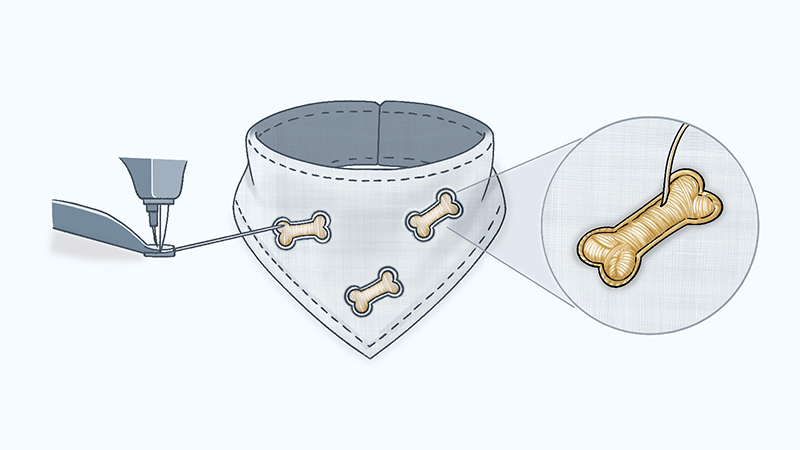
Once the fabric has been cut and sewn into a bandana, embroidery can be added as a finishing detail. It works well for small logos, lettering, or decorative accents, adding texture and dimension to the finished piece. Unlike printed designs, embroidery uses thread to create a raised effect on the fabric.
Comparing Different Fabric Printing Methods
| Printing Method | Suitable Fabrics | Main Advantages | Things to Consider |
| Screen Printing | Cotton and other compatible fabrics | Bold colors, clear outlines, good for consistent designs | Screen preparation and additional colors increase setup costs |
| Dye Sublimation | Polyester | Vibrant colors, detailed designs, no separate surface print layer | Works best on white or light-colored polyester |
| Other Heat Transfer Methods | Depends on the transfer material | Flexible for custom designs and different applications | Some transfer layers may affect fabric feel and flexibility |
| Direct Digital Printing | Cotton and other fabrics compatible with the ink system | Good for detailed, multicolored artwork | Results depend on pretreatment, ink, and finishing |
| Digital Pigment Printing | Suitable blended fabrics and other compatible materials | Can be used on suitable fabrics with different fiber compositions | Binder and curing conditions affect hand feel and wash performance |
Bandana Printing: Key Factors
Design Complexity
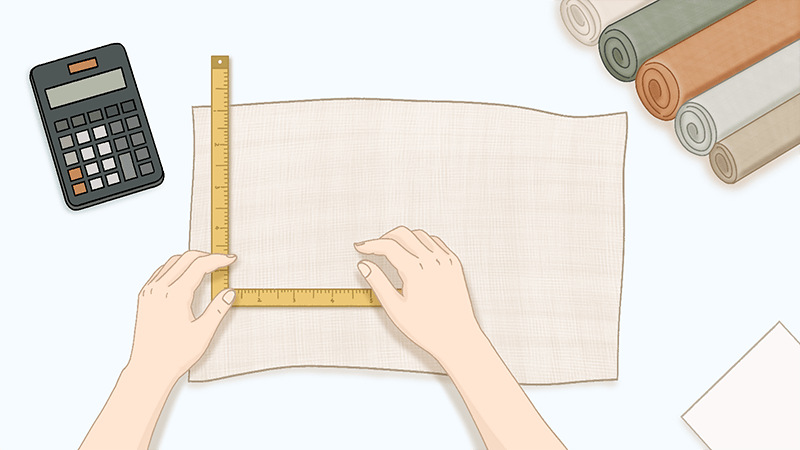
The complexity of your design can influence which printing method is suitable for your bandana fabric. Screen printing works well for bold shapes and clear outlines, while digital printing methods are useful for artwork with many colors, gradients, or fine details. Dye sublimation is particularly suitable for detailed, multicolored designs on polyester fabrics.
Before choosing a fabric, consider whether your design includes small details, large color areas, gradients, or repeating patterns. The printing method and fabric composition should work together to achieve the look you want.
Color and Print Appearance
Color reproduction depends on several factors, including the printing method, fabric composition, fabric color, ink type, and printing conditions. Screen printing can produce bold, solid colors on compatible fabrics, while dye sublimation creates vibrant, full-color designs on suitable polyester fabrics. Direct digital printing and digital pigment printing can also reproduce detailed, multicolored artwork, depending on the fabric and ink system.
The final appearance may vary between fabrics, even when the same design is used. Fabric color and texture can influence how colors look, so it’s important to consider the material as well as the printing method when choosing bandana fabric.
Durability and Washability
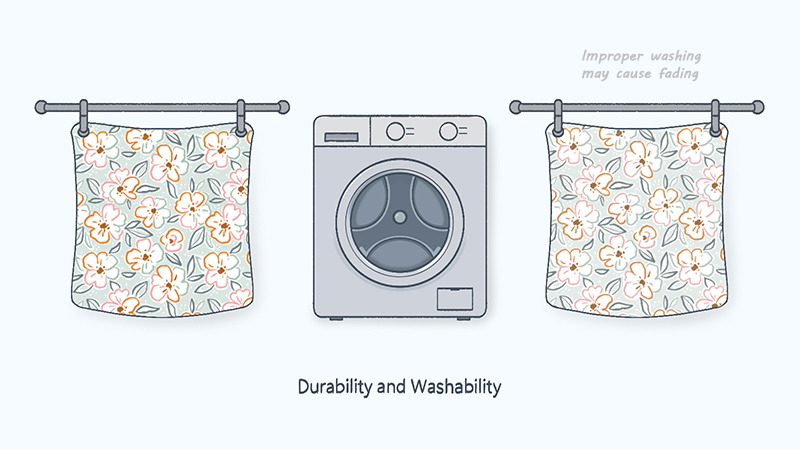
Wash durability depends on the fabric, ink or dye system, printing process, and finishing conditions. Screen prints can hold up well to repeated washing when the ink is properly cured. With dye sublimation, the dye penetrates the polyester fibers rather than forming a separate layer on the surface, helping the design retain its appearance through regular washing.
For direct digital and pigment-printed fabrics, wash performance depends on the ink system, fabric preparation, and finishing process. Regardless of the printing method, always follow the care instructions provided for the fabric.
Order Quantity and Budget
The amount of fabric you need and your budget are also worth considering. Screen printing involves setup costs, so it can be more economical for larger orders using the same design. Digital printing methods are often more flexible for custom designs and smaller quantities, although pricing varies by process and supplier.
Before ordering, estimate how much fabric your bandana project will require. If you’re making several bandanas, consider the fabric width, pattern placement, and any extra material needed for cutting and sewing. Comparing fabric options and pricing can help you plan your project more accurately.
Choosing the Right Fabric for Your Bandana
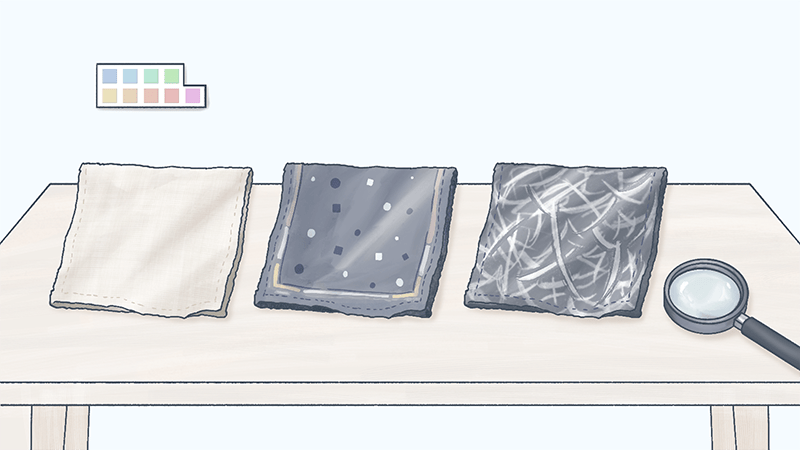
There isn’t one printing method that works best for every bandana project. Cotton, polyester, and blended fabrics each have different printing requirements, and the final result depends on how the fabric and printing process work together.
Think about the design you want, the feel of the fabric, and how you plan to use the finished bandana. Once you have these details in mind, it becomes easier to choose a printed fabric that suits your project.