Quick Answer
If you are wondering whether 4 Way Holographic Fabric is a good choice for Halloween costumes, the answer depends on the type of result you want to create.
For makers who want a fabric that combines visual impact with comfortable stretch, 4 Way Holographic Fabric can be a good choice for creative projects.
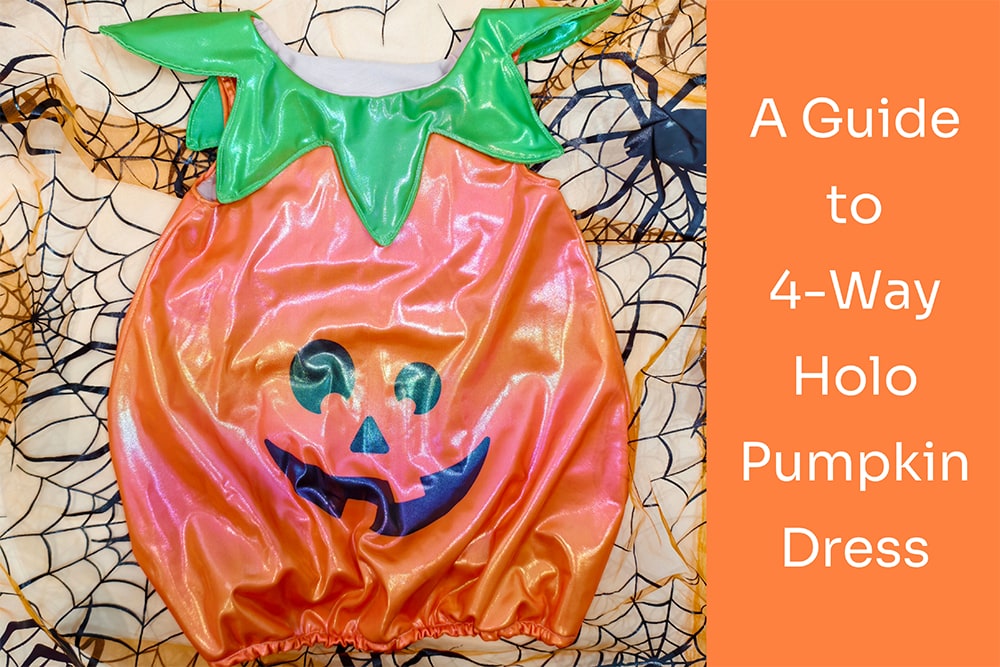
For this project, I tested 200 GSM 4 Way Holographic Fabric by creating a Halloween pumpkin dress for a child.
One important thing to know is that the holographic effect comes from a surface film layer. Compared with regular printed fabrics, it requires more careful handling during storage, sewing, and ironing.
Overall, I would recommend this fabric for:
- Halloween costumes
- Dancewear
- Performance clothing
- Festival outfits
- Creative sewing projects
About This Sewing Project
When choosing fabrics for creative projects, appearance is often the first thing people notice. However, a beautiful fabric also needs to perform well during cutting, sewing, and wearing.
A fabric sample can show the color and texture, but it cannot always show how the material behaves when it becomes a finished garment.
For this project, I wanted to explore how 4 Way Holographic Fabric performs from fabric cutting to a completed outfit.
Instead of creating only a small fabric sample, I used the material to make a Halloween pumpkin dress for a child.
The goal of this project was to evaluate whether this fabric could successfully combine appearance, comfort, and practicality in a real garment.
- visual impact
- comfort
- practicality
Watch the Complete Sewing Process
Seeing the actual sewing process is often the best way to understand how a fabric behaves.While this article focuses on fabric performance and buying considerations, the video shows the complete construction process step by step.
I recorded the complete process of making this Halloween pumpkin dress, including:
- Fabric preparation
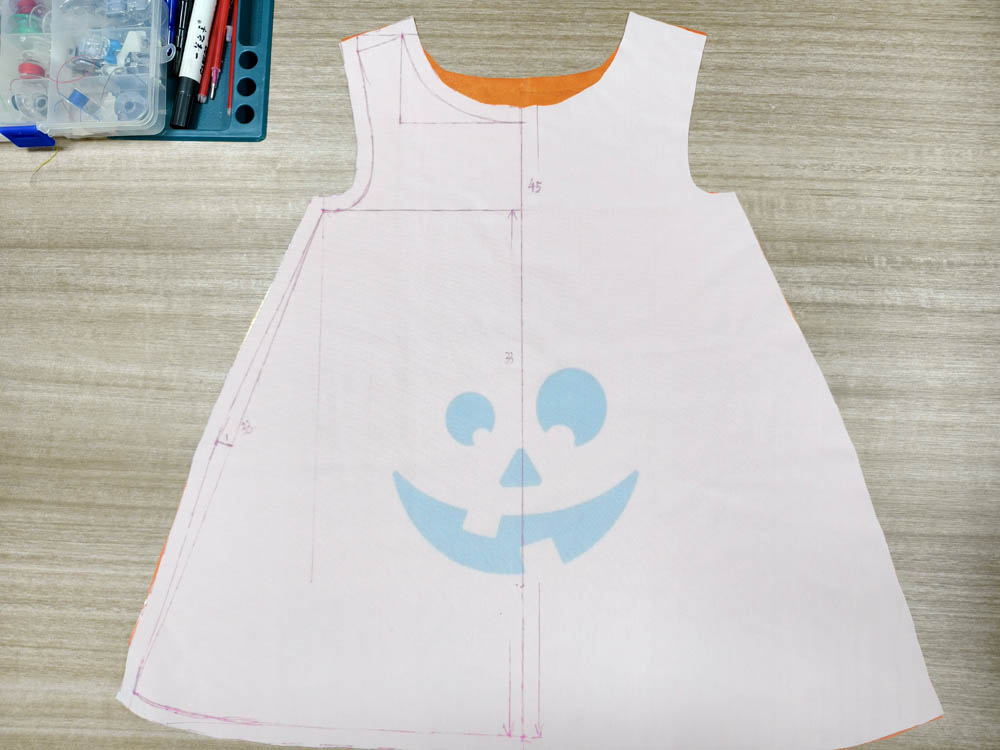
- Pattern cutting
- Sewing process
In the video, you can see the full transformation from printed fabric to finished Halloween outfit.
What Is 4 Way Holographic Fabric?
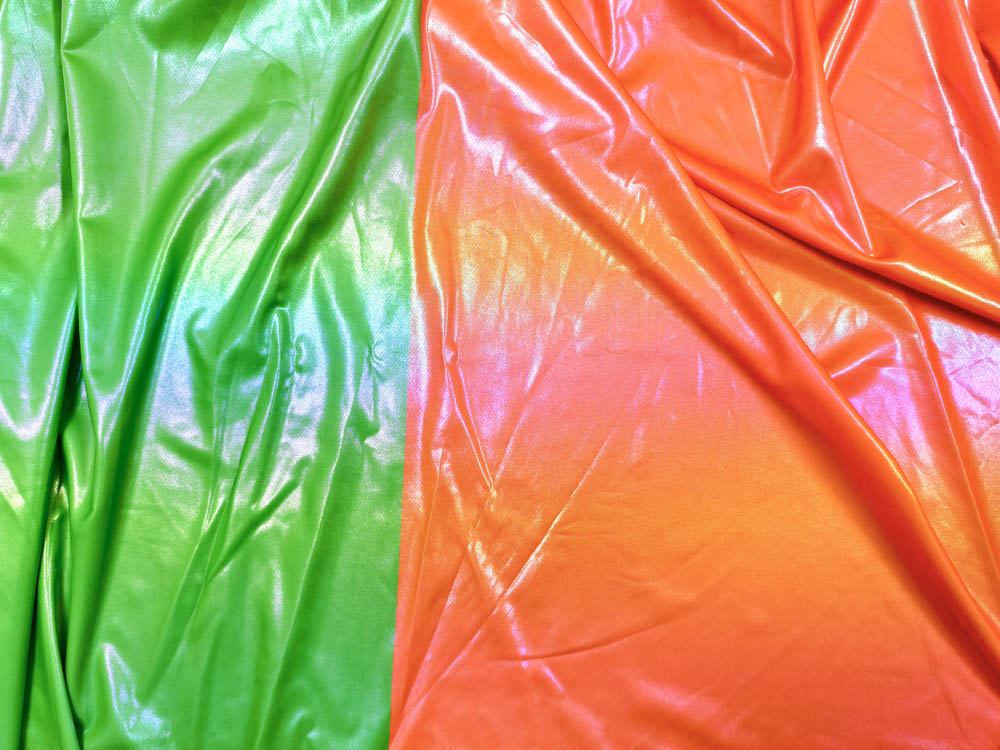
4 Way Holographic Fabric is a stretch fabric with a special holographic surface finish designed to create reflective and color-changing effects.
Unlike regular printed fabrics, the visual effect does not only come from the printed design. It is created through a special surface layer that reflects light differently depending on the viewing angle.
The fabric structure includes:
- A stretch knit base
- A holographic surface film layer
The stretch base provides:
- Flexibility
- Comfort
- Better garment movement
The holographic surface provides:
- Reflective appearance
- A dimensional visual effect
The holographic surface layer is responsible for the reflective effect, while the stretch knit base provides flexibility and comfort.
Fabric Specifications
Specification | Details |
Fabric Type | 4 Way Holographic Stretch Fabric |
Composition | 89% Polyester / 11% Spandex |
Weight | 200 GSM |
Stretch | Four-way stretch |
Surface Finish | Holographic film coating |
Fabric Structure | Stretch knit base with holographic surface layer |
Recommended Uses | Costumes, dance wear, performance clothing, creative apparel |
The combination of 200 GSM weight and 11% spandex content influences how this fabric performs in a finished garment.
Why I Chose This Fabric for a Halloween Dress
When creating children’s costumes, appearance is important, but comfort is also a key consideration.Many Halloween costume fabrics focus mainly on appearance, but some lack stretch and comfort.
I chose holographic stretch fabric because it allowed the design itself to create the visual impact without adding many extra decorations.
Many traditional costume fabrics focus mainly on visual impact but can sometimes feel stiff or uncomfortable during long periods of wear.
For this project, I wanted a fabric that could provide:
- A special Halloween appearance
- Comfortable movement
- A simpler design process
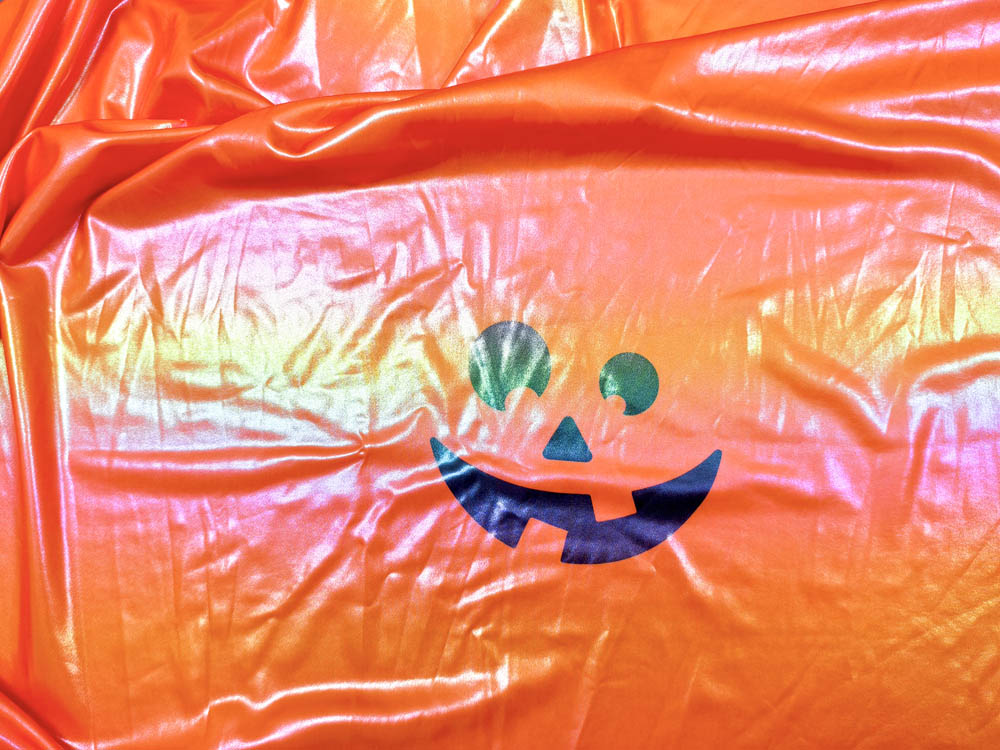
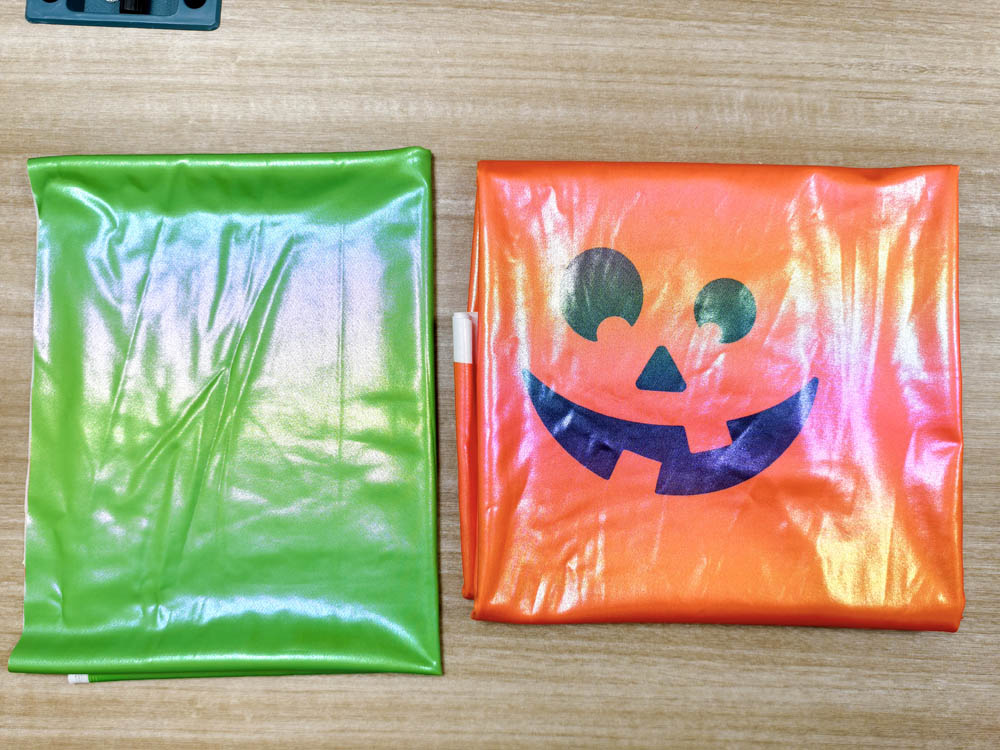
Another reason I chose custom printed holographic fabric was that the design could become part of the fabric itself.
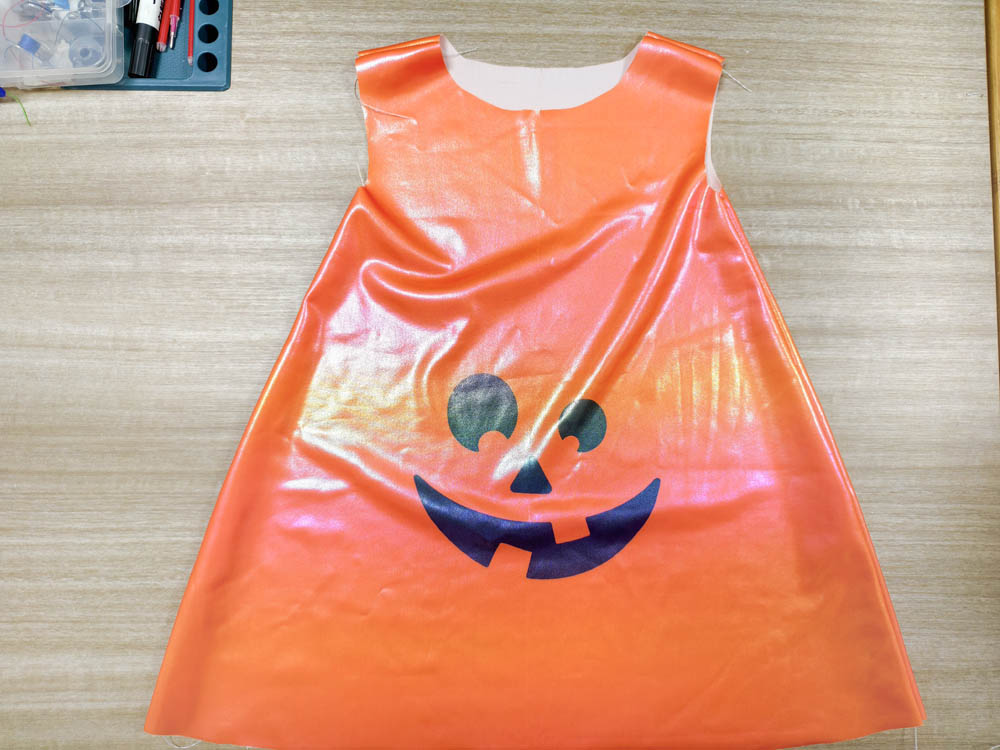
Instead of creating the pumpkin face and decorative elements separately, the design was printed directly onto the fabric.
This allowed the finished garment to have a complete theme while keeping the construction cleaner and simpler.
Project Details
How Much Fabric Was Used for This Project?
Item | Details |
Project | Halloween Pumpkin Dress |
User | Child Size |
Fabric Consumption | Approx. 1 yard |
Main Design Feature | Custom printed pumpkin pattern |
For this child-size Halloween pumpkin dress, approximately 1 yard of fabric was used.The exact amount depends on garment size, style, and pattern layout.
For this project:
Measurement | Size |
Chest | 56–60 cm |
Dress Length | 55–60 cm |
Shoulder Width | 24–26 cm |
Sleeve Length | 12–14 cm |
For larger sizes, additional fabric may be needed depending on:
- Dress length
- Sleeve style
- Pattern arrangement
My Sewing Experience With 4 Way Holographic Fabric
For this project, I focused on how the fabric performed during a real garment construction process.
The complete sewing steps are shown in the YouTube video above. Here, I want to share the important points I noticed while working with this fabric.
Fabric Preparation and Cutting
Before cutting, I allowed the fabric to lay flat and relax.
Because stretch fabrics are often stored rolled, allowing the fabric to settle helps improve cutting accuracy.
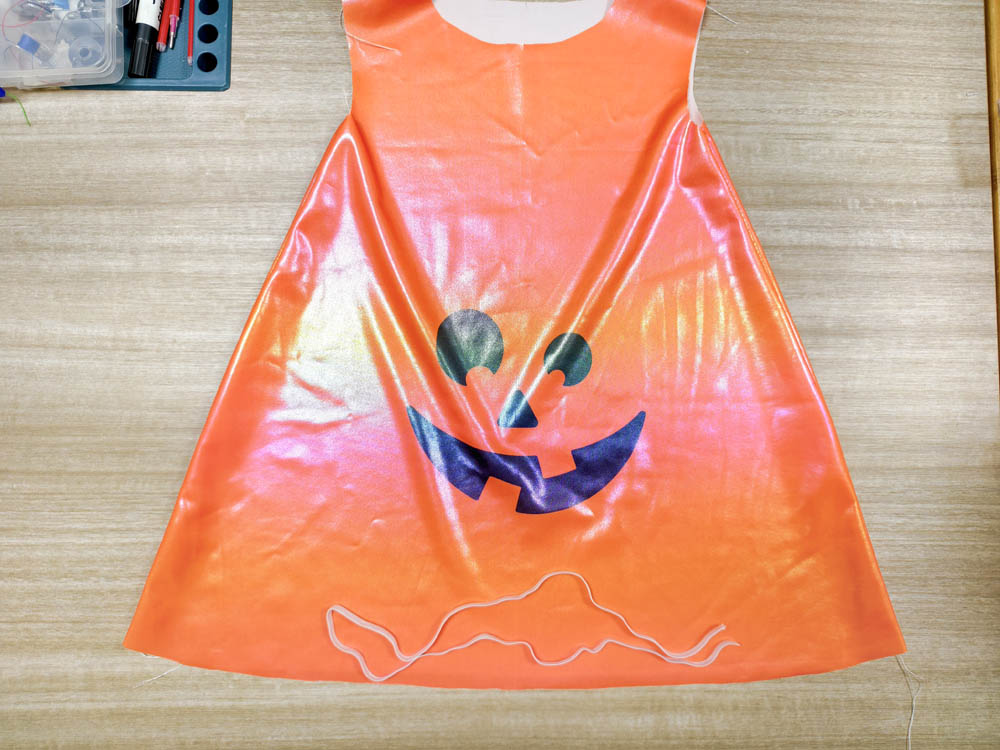
For custom printed holographic fabric, print placement was especially important.
During cutting, I checked:
- Pumpkin face position
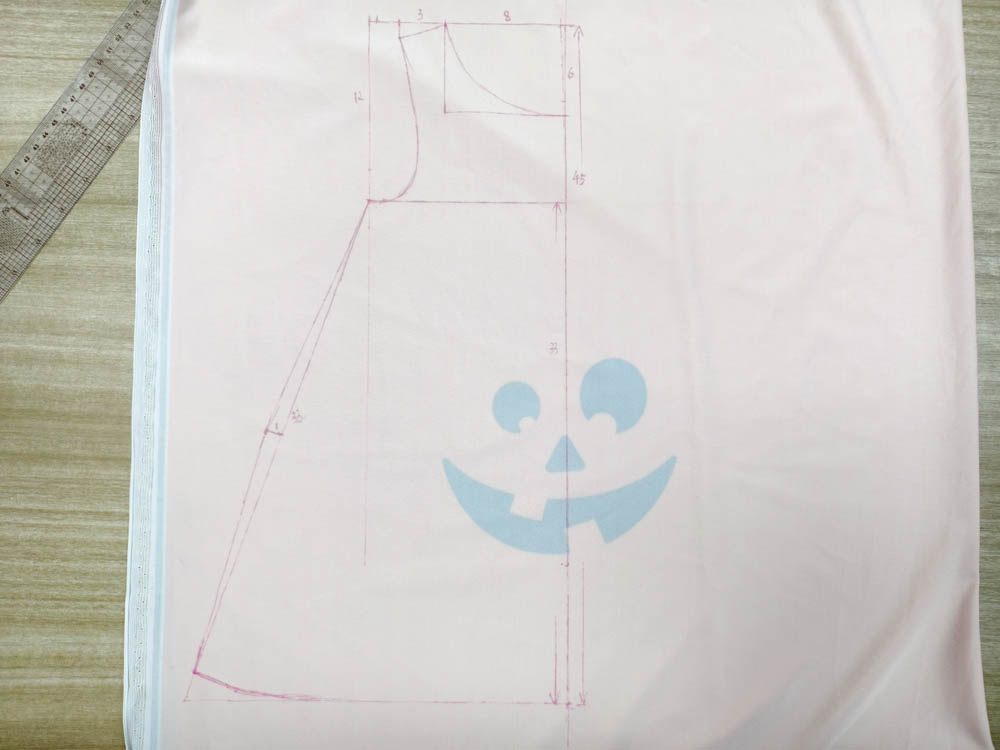
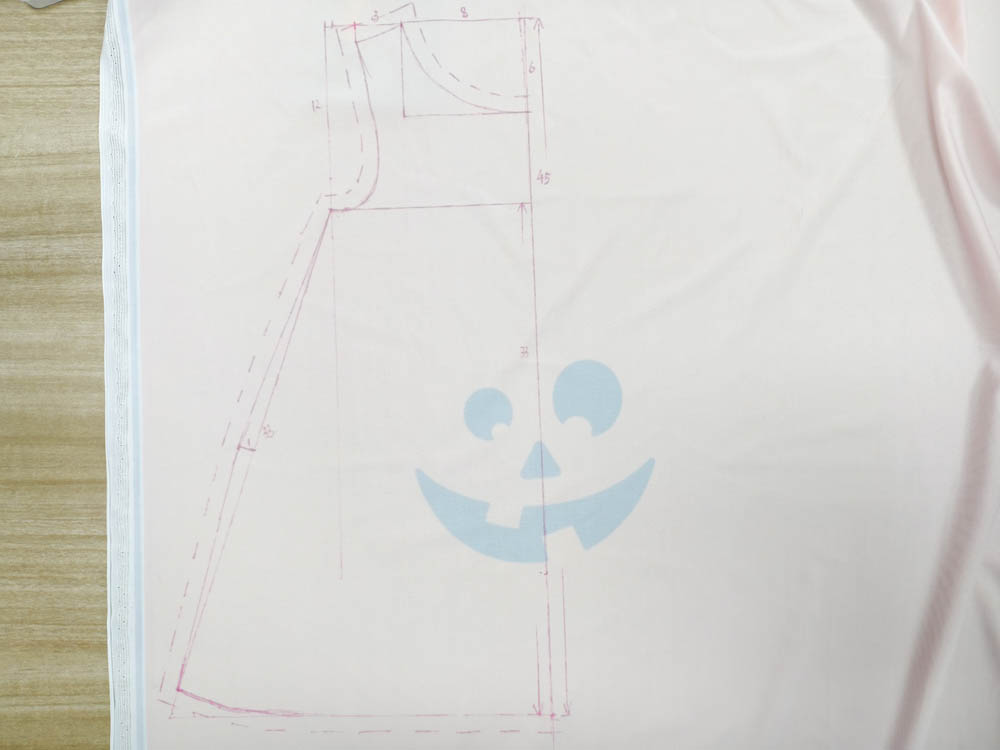
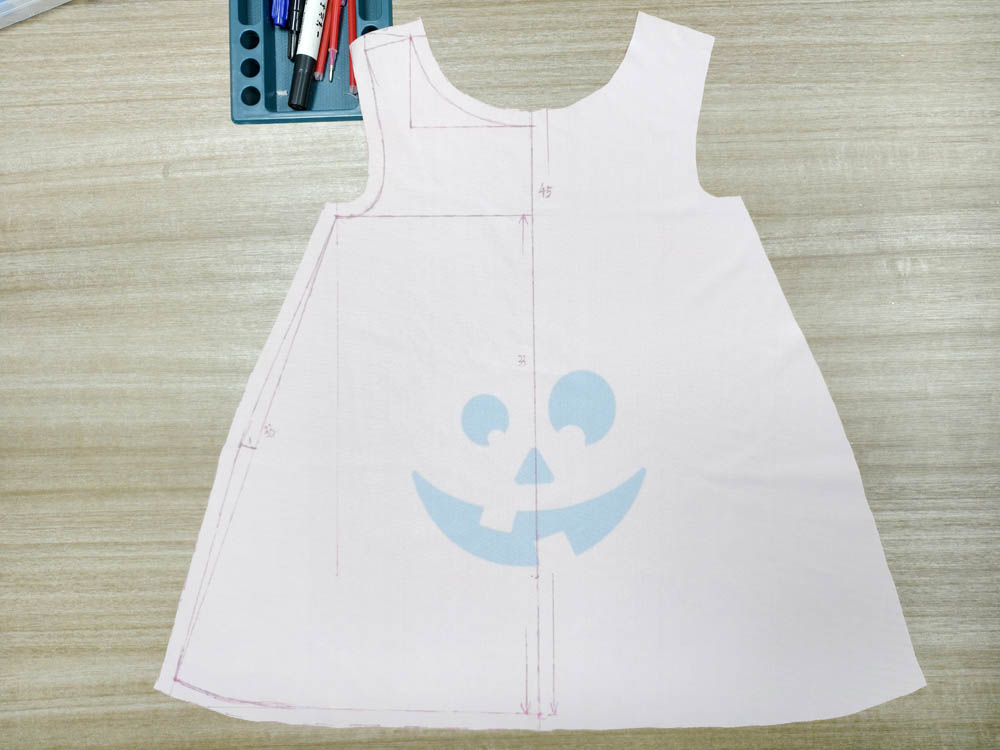
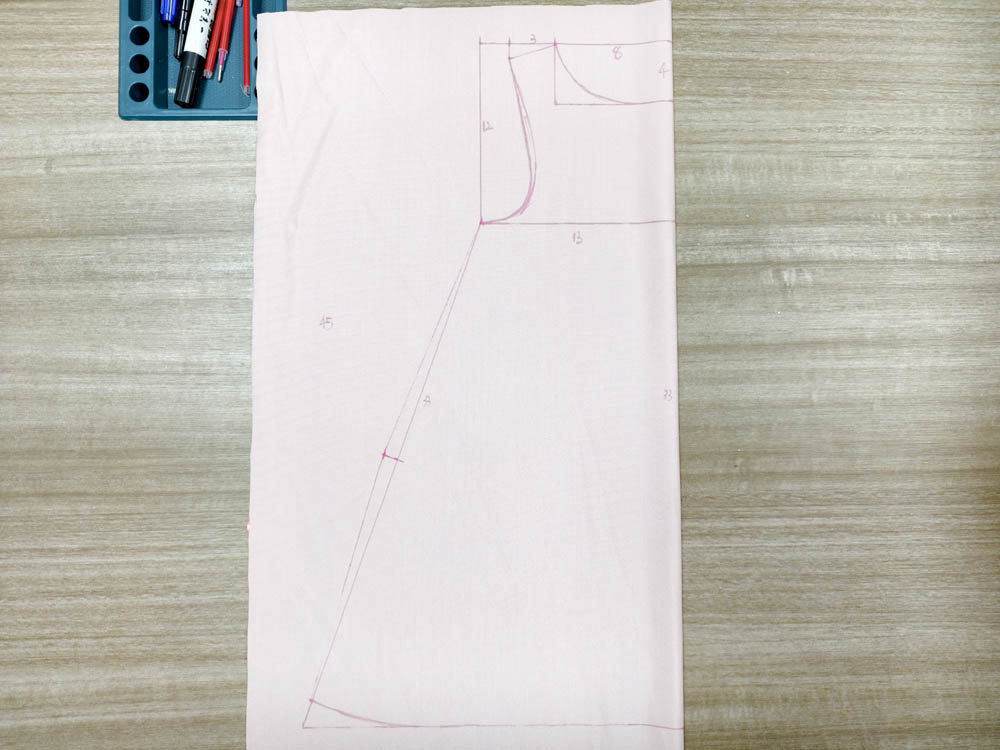
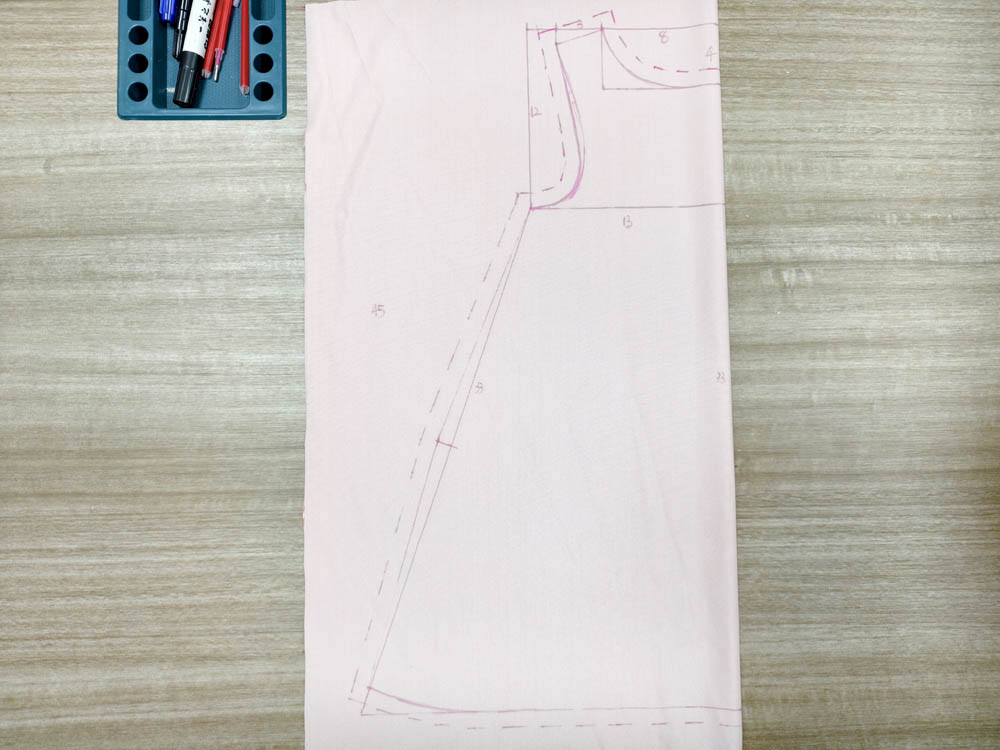
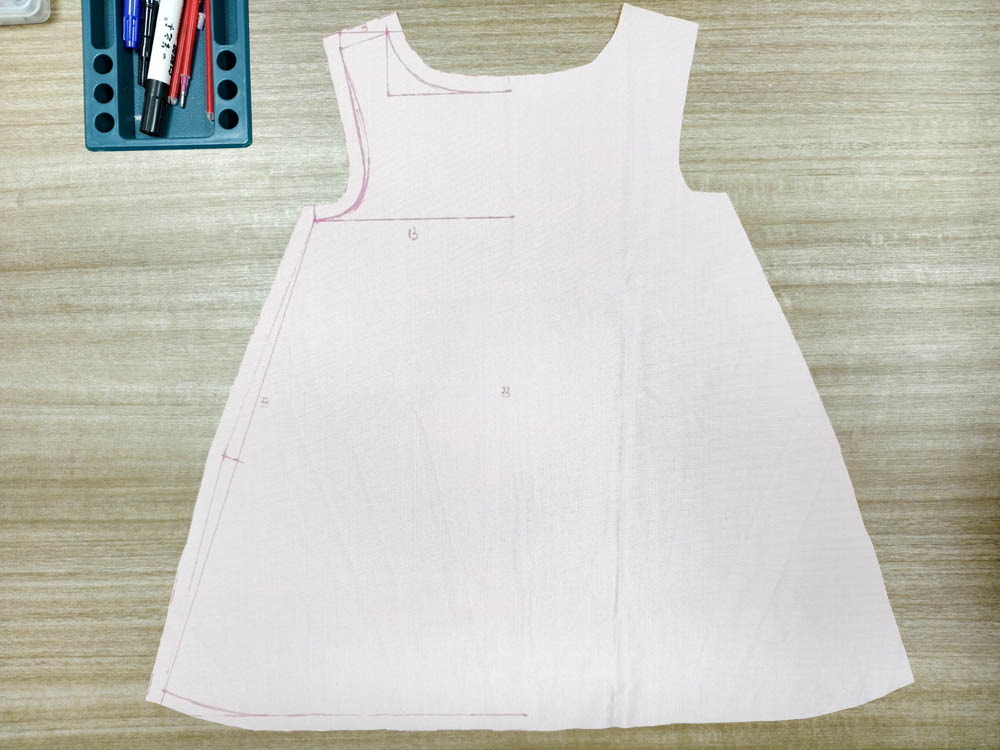
- Print direction
- Stretch direction
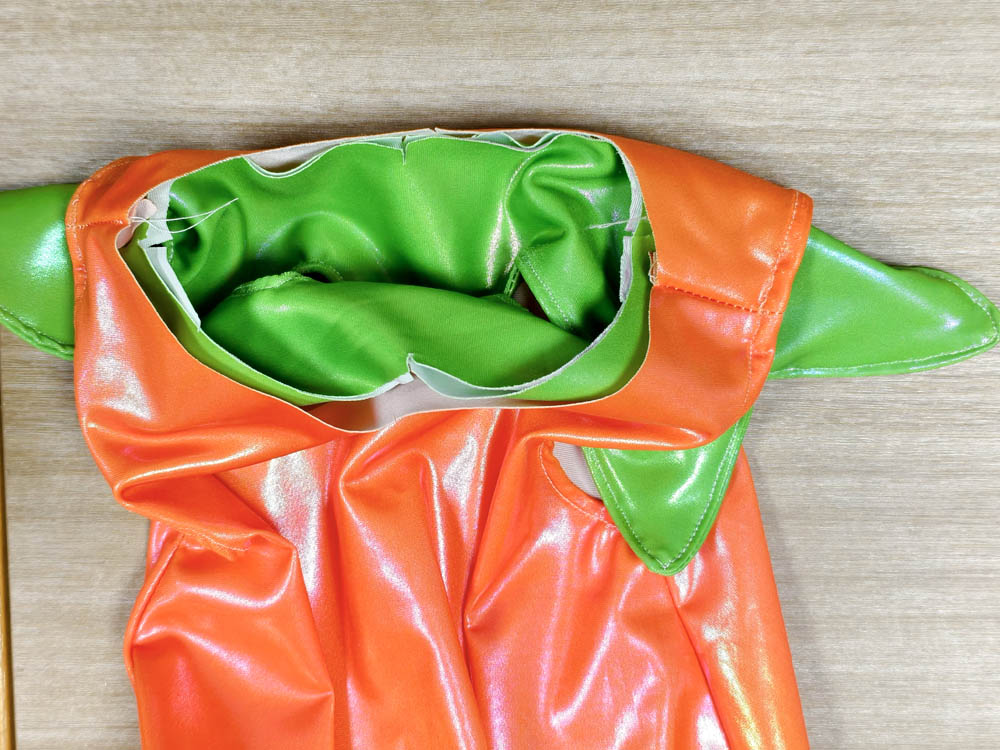
- Placement of the green section used for the pumpkin leaf detail


Planning the layout before cutting helped ensure the final garment matched the original design idea.
Sewing Process
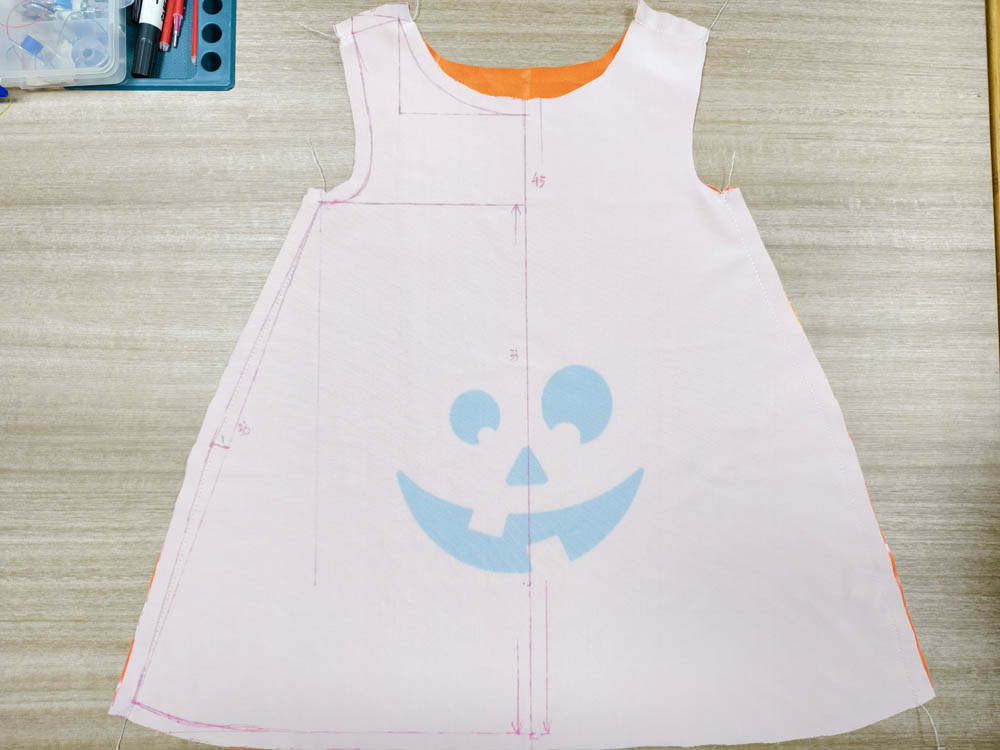
The construction followed a standard stretch garment sewing method:
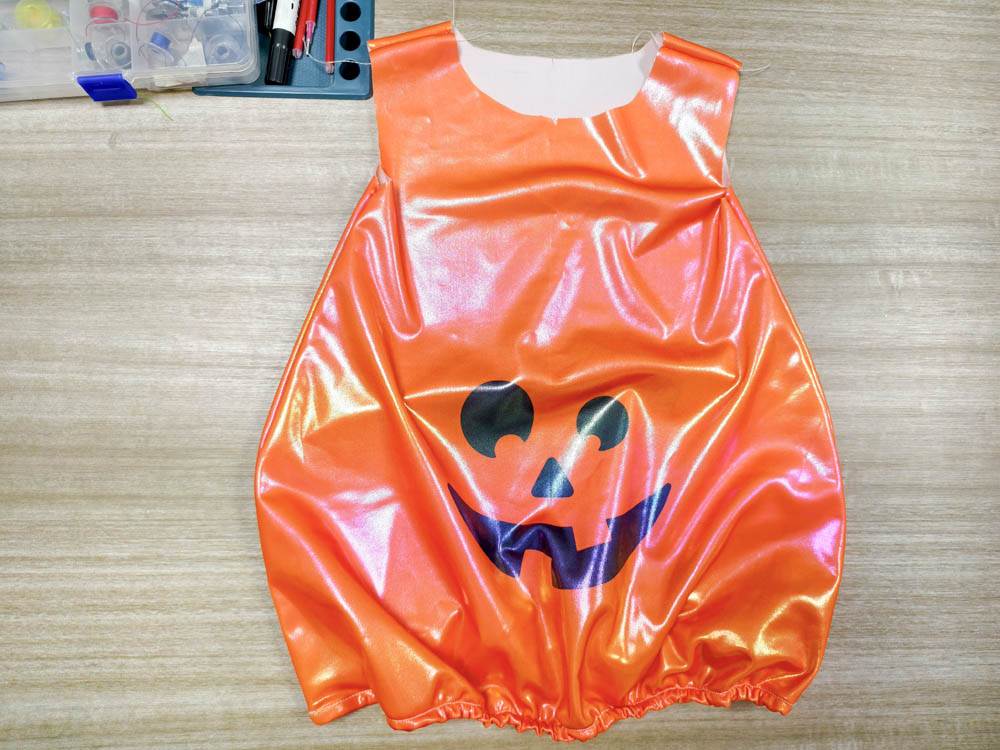
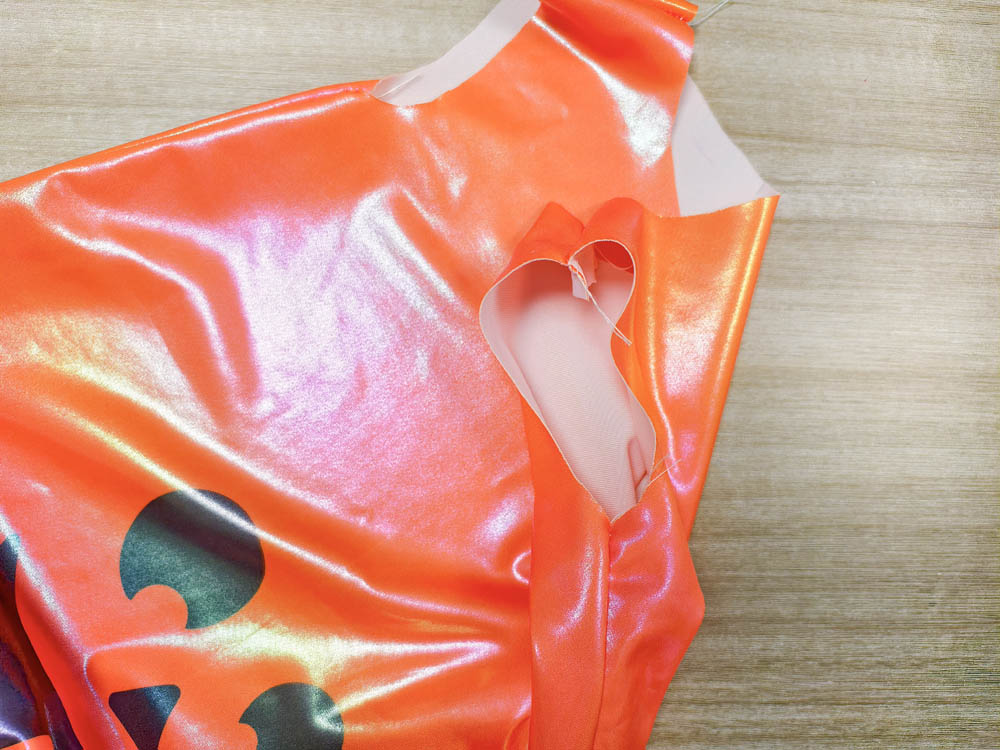
The dress was constructed using standard stretch garment sewing techniques, including assembling the main body, attaching sleeves, finishing the neckline, and completing the hems.
Because the fabric contains:
89% Polyester + 11% Spandex
it behaves similarly to other stretch knit fabrics.
For sewing, I recommend:
- Stretch needle
- Polyester thread
- Stretch stitch or narrow zigzag stitch
The most important point is to avoid pulling the fabric unnecessarily while sewing, as this can affect the final shape of the garment.
Working With the Holographic Surface
The biggest difference between this fabric and regular stretch fabrics is the surface finish.
The stretch base itself is easy to handle, but the holographic coating requires more attention.
During this project, I paid special attention to:
- Avoiding unnecessary friction
- Handling the surface gently during construction
- Controlling heat during finishing
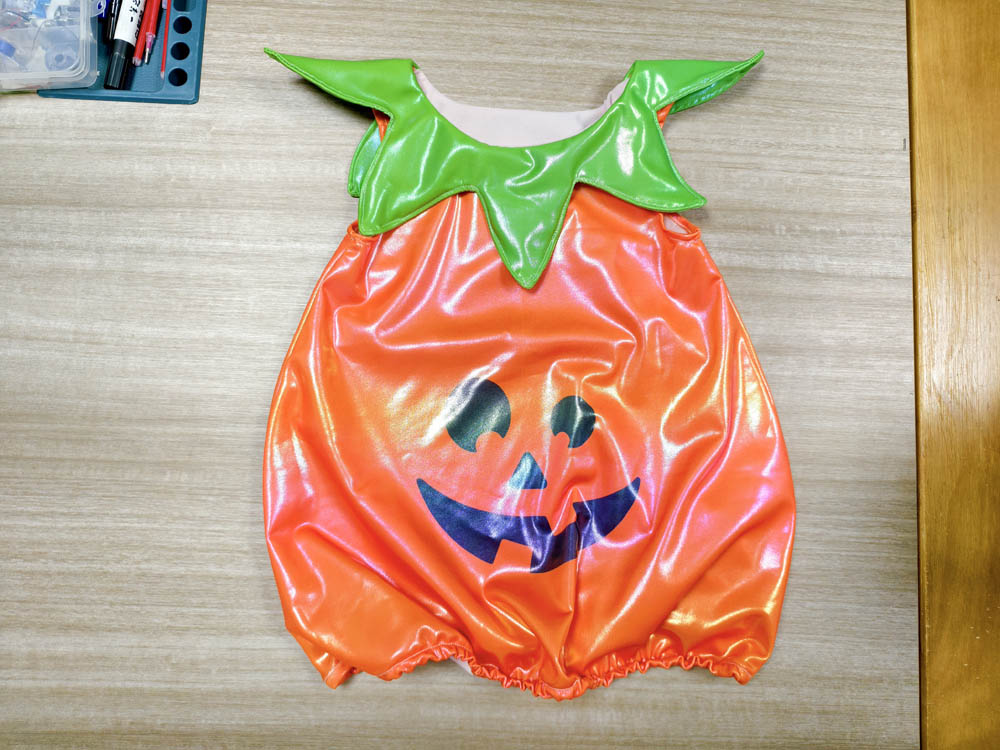
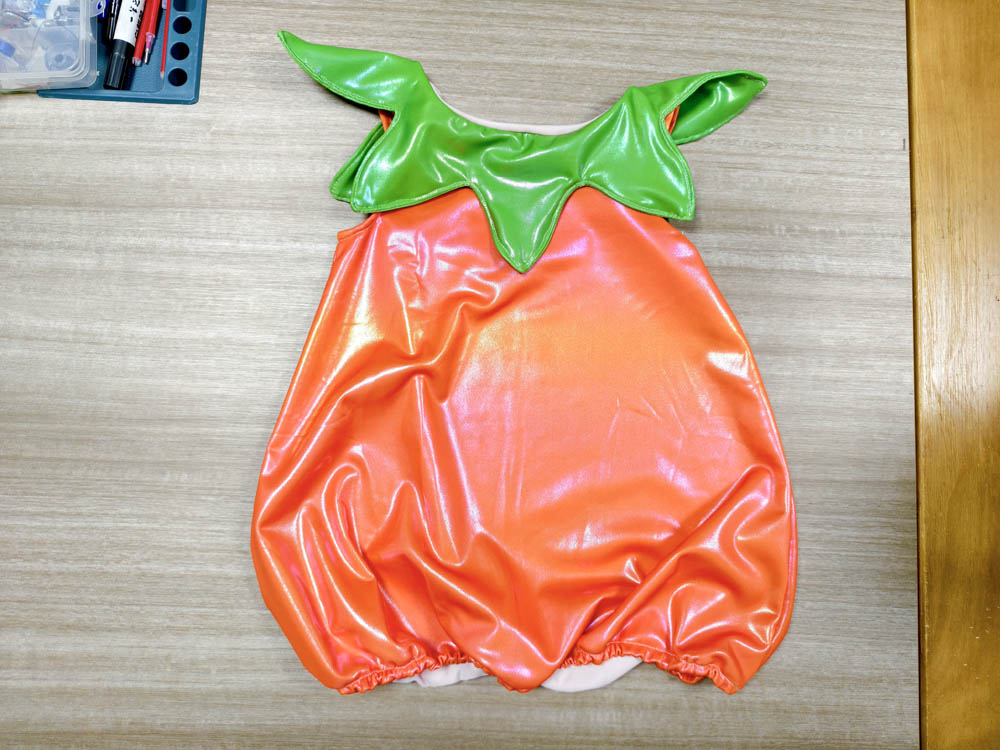
For the pumpkin leaf collar, I used the green printed section of the fabric to create the decorative detail.
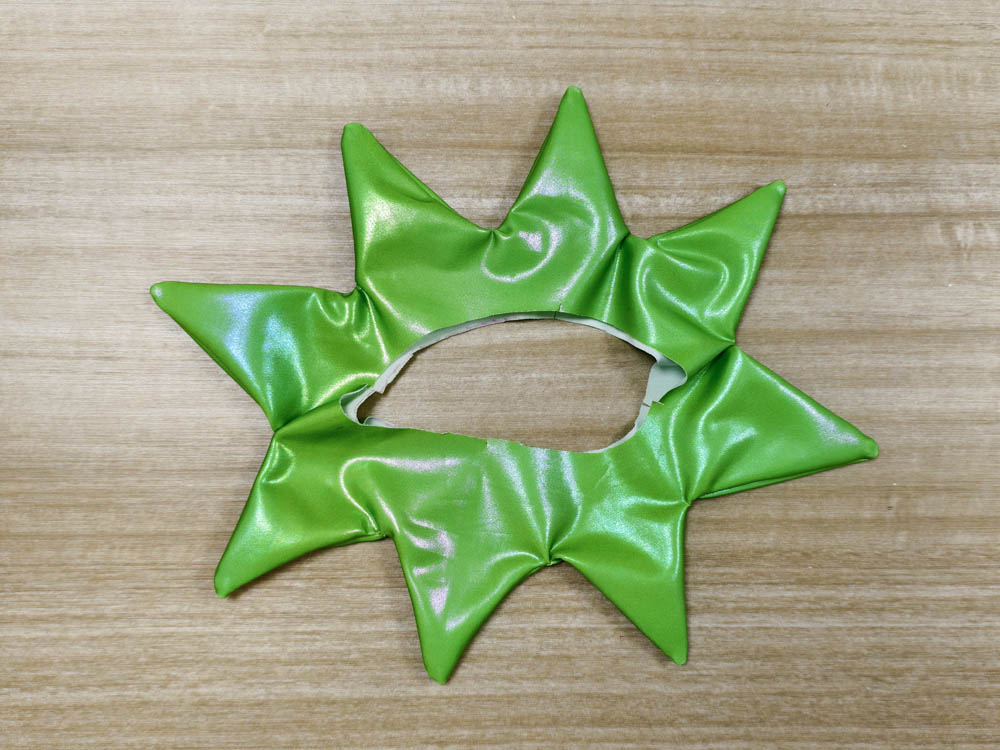
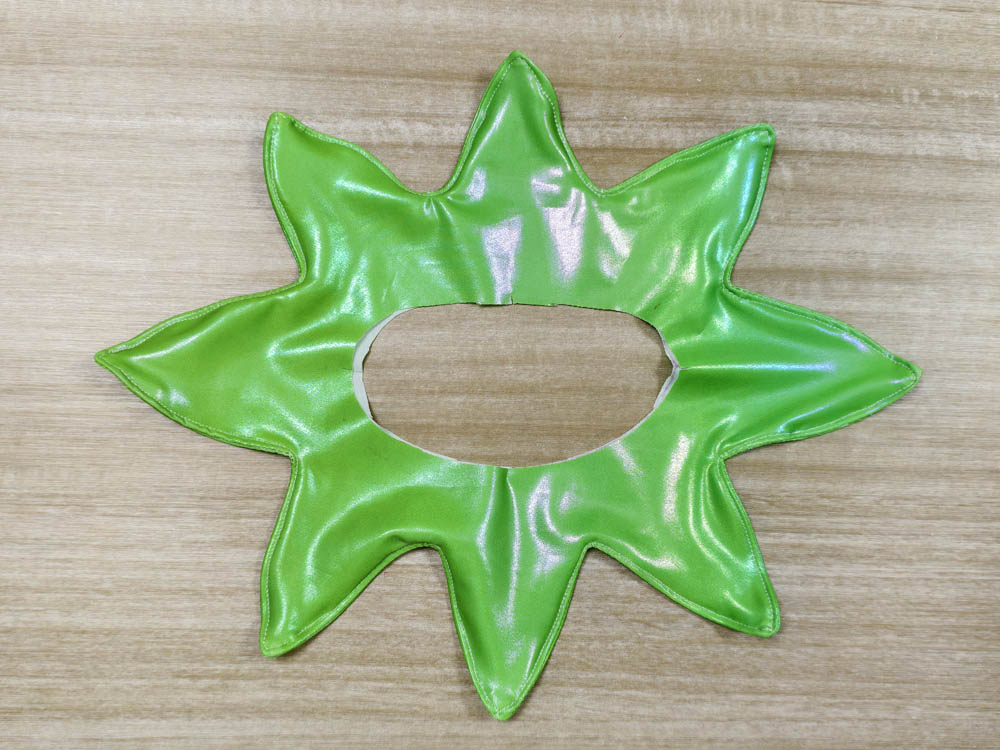
This was one of my favorite parts of the project because the custom print allowed the decoration to become part of the fabric design.
Finishing Process
After completing the dress, I focused on final finishing:
- Removing loose threads
- Checking seam quality
- Removing marking lines carefully
- Lightly steaming if needed
I finished the garment using gentle pressing methods.
When finishing this fabric:
- Use low temperature
- Test heat settings on leftover fabric first
- Avoid directly pressing heavily on printed areas
Things to Consider Before Buying 4 Way Holographic Fabric
A good fabric review should include not only the advantages but also the limitations.
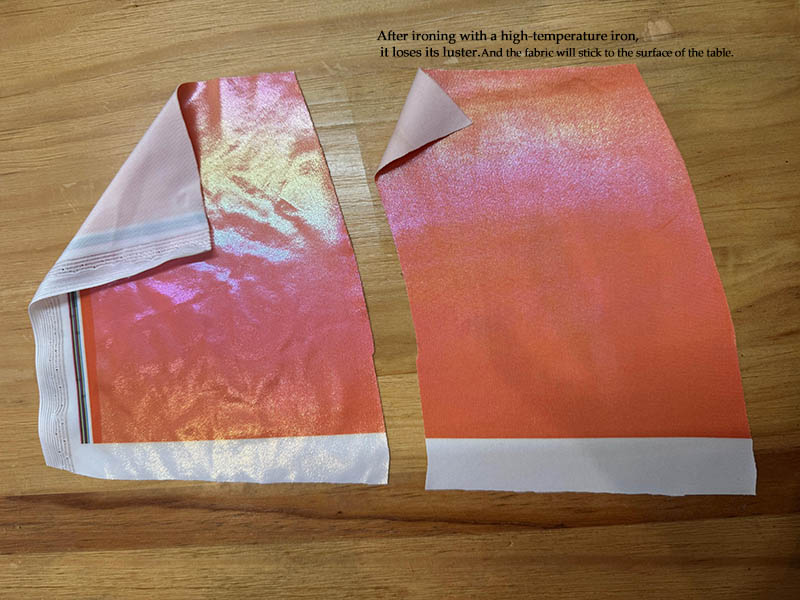
Because the holographic effect comes from a surface film layer, this fabric requires some additional care and high heat should be avoided.
Fabric Care and Handling Considerations
1. Avoid High Temperature Storage
Long-term exposure to high temperatures may affect the holographic surface.
Avoid storing the fabric in:
- Direct sunlight
- Hot warehouses
- Areas close to heat sources
Recommended:
✔ Store in a cool, dry place
✔ Keep away from excessive heat
✔ Protect the surface when storing
2. Avoid High Temperature Ironing
Long-term exposure to high temperatures may affect the holographic surface.
Avoid storing the fabric in:
- Direct sunlight
- Hot warehouses
- Areas close to heat sources
Recommended:
✔ Store in a cool, dry place
✔ Keep away from excessive heat
✔ Protect the surface when storing
3. Handle the Surface Carefully
Although the base fabric is flexible, the holographic surface needs gentle handling.
Avoid:
- Excessive friction
- Scratching
- Rough treatment during sewing
With proper handling, the fabric can maintain its unique appearance.
Care and Washing Considerations
Because of the special surface finish, gentle care is recommended.Recommend cold water wash (below 30°C / 86°F) and air dry.
To help maintain the holographic effect:
- Use gentle washing methods
- Avoid excessive heat drying
- Avoid harsh treatments
Proper care helps extend the life of the reflective surface.
Finished Dress Review
After completing this Halloween pumpkin dress, I reviewed the fabric from three aspects.
Appearance
The holographic surface created the biggest visual impact.
Compared with regular printed fabrics, the reflective finish gave the pumpkin design more depth and made the costume look more three-dimensional.
The appearance changed slightly under different lighting conditions, which added extra character to the final garment.
Comfort
The four-way stretch was one of the strongest advantages.
For children’s garments, freedom of movement is an important factor, especially for active wear such as costumes.
The stretch structure allowed the dress to provide a more comfortable wearing experience compared with many traditional costume fabrics.
Sewing Experience
The four-way stretch was one of the strongest advantages.
For children’s garments, freedom of movement is an important factor, especially for active wear such as costumes.
The stretch structure allowed the dress to provide a more comfortable wearing experience compared with many traditional costume fabrics.
Advantages and Limitations
Advantages
Unique holographic appearance
✔ Comfortable four-way stretch
✔ Suitable for creative designs
✔ Custom printing possibilities
✔ Creates a premium handmade look
Limitations
❌ Requires careful storage
❌ Avoid high-temperature ironing
❌ Surface needs gentle handling
❌ Print placement requires planning before cutting
Who Would I Recommend This Fabric For?
I would recommend 4 Way Holographic Fabric for:
DIY Makers
Creating:
- Halloween costumes
- Festival outfits
- Creative sewing projects
Handmade Brands
Creating seasonal collections or limited-edition products.
Looking for:
- Small-batch collections
- Seasonal designs
- Unique custom products
Designers
Who want fabrics with strong visual impact.
FAQ
Does holographic fabric get damaged by heat?
Because the holographic effect comes from a surface film layer, high temperatures may affect the appearance.
Low-temperature ironing and careful storage are recommended.
Can 4 Way Holographic Fabric be used for everyday clothing?
This fabric is mainly designed for creative apparel, costumes, performance wear, and statement pieces.
For everyday basics, regular stretch fabrics may be more practical.
Is holographic fabric comfortable to wear?
The four-way stretch provides flexibility and comfort, but the final comfort also depends on garment design and fit.
What needle should I use for sewing holographic stretch fabric?
A stretch or ballpoint needle is recommended, together with polyester thread and stretch-friendly stitches.
Is holographic fabric difficult to sew?
It is not difficult for makers familiar with stretch fabrics. The main difference is that the surface requires more careful handling.
Final Thoughts From Cora
After completing this Halloween pumpkin dress, I found that 4 Way Holographic Fabric offers more than just a shiny appearance.
It combines:
- Stretch comfort
- Unique surface effects
- Custom design possibilities
which makes it a great option for creative sewing projects.What stood out most during this project was that the fabric was not only visually interesting, but also practical enough for a wearable garment.
However, understanding the characteristics of the fabric is important.
Because the holographic effect comes from a surface film layer, proper storage, careful ironing, and gentle handling are necessary to maintain the final appearance.
For makers who want to create something unique, this fabric provides an interesting balance between creativity, comfort, and visual impact.

Fashion Designer | Fabric Specialist at Doris Fabric
Hi, I'm Cora.
I'm a fashion designer at Doris Fabric and a lifelong sewing enthusiast. Every week, I work with different knit fabrics—from testing new materials to turning them into wearable garments.
Instead of simply reading fabric specifications, I believe the best way to understand a fabric is to sew with it.
Through this blog, I share my real sewing experiences, fabric comparisons, and practical tips to help fellow sewists confidently choose the right fabric for every project.