

Cotton fabric can be printed using different methods depending on project size, design complexity, durability requirements, and production needs. Cotton printing is now accessible for both small DIY projects and professional fabric production.
Key Takeaways
- Cotton printing methods vary depending on your goal. DIY options include inkjet transfer, woodblock printing, and fabric painting, while professional production commonly uses reactive printing, pigment printing, screen printing, and digital textile printing.
- For DIY projects, pre-washing and ironing the cotton fabric is recommended to remove sizing and reduce shrinkage before printing. Professional textile printing goes further, requiring specific fabric preparation such as scouring and pre-treatment to ensure proper ink adhesion and color performance. If you are working on a larger project or need retail-quality results, a professional printing service is worth considering.
Cotton Fabric Printing Methods Compared
Cotton Fabric Printing Methods Compared
People can print on cotton at home in different ways, each with its own advantages and disadvantages. The table below compares the main DIY methods for printing on cotton french terry fabric. However, if you are looking for premium durability, vibrant colors, or bulk production, upgrading to a professional digital fabric printing service like Doris can elevate your designs with eco-friendly inks and flawless execution.
| Printing Method | Suitable For | Color Performance | Durability | Best Use |
| Reactive Dye Printing | Professional cotton fabrics | Excellent color depth, bright and natural colors | Excellent when properly processed | Premium apparel, custom printed cotton fabric, fashion brands |
| Pigment Printing | Cotton and cotton blends | Good color performance with surface effect | Good, depends on binder and curing | Flexible production, cost-effective printing |
| Digital Textile Printing (Reactive) | Custom cotton fabrics | Excellent for detailed patterns and gradients | Excellent when properly fixed | Small batches, designer fabrics, complex artwork |
| Screen Printing | Small businesses and commercial production | Strong colors, especially for solid designs | Very good | T-shirts, uniforms, bulk orders |
| Inkjet Transfer | DIY projects | Good for personal designs and photos | Moderate, depends on transfer paper and care | Home crafts, gifts, small projects |
| Block Printing | Handmade textiles | Unique artistic appearance | Depends on dye/pigment and process | Artisan products, handmade designs |
| Fabric Painting | DIY creativity | Depends on paint quality | Moderate | Hand-painted projects |
Cost and time are also important. Inkjet printing has a low start-up cost, taking less than an hour to print one item. Screen printing is more expensive and takes longer if printing in large quantities. Woodblock printing is cheaper than screen printing, but takes longer.
Professional Textile Printing Services
Professional textile printing services deliver retail-quality results across a range of materials.For cotton fabrics, reactive dye printing is one of the most important commercial methods, especially for apparel fabrics where softness and wash durability are important.The professional production process typically includes fabric preparation and pre-treatment, printing with the appropriate dye or pigment system, fixation (such as steaming for reactive dyes or curing for pigment), washing off excess chemicals where required, and final drying and finishing.
For brands and independent designers seeking flexible small-batch production, digital textile printing offers detailed patterns without traditional plate setup or minimum order requirements. Fabric preparation and pre-treatment depend on the printing method — reactive printing demands specific chemistry and steaming, while pigment printing relies on binder curing. Choosing the right combination of fabric, ink system, and finishing is what determines the final print quality.
Step-by-Step Guide to Textile Printing
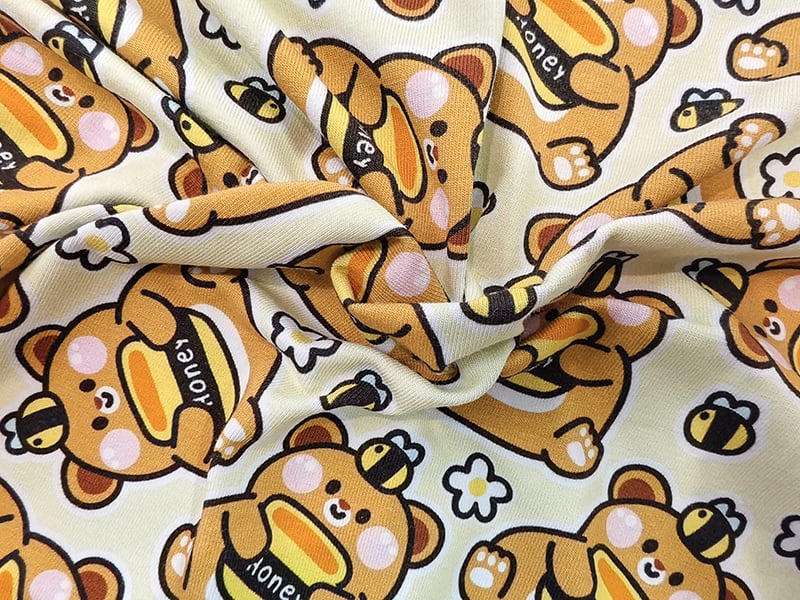
Printing on cotton fabric is both fun and simple. This guide introduces four printing methods. Each method uses different tools and steps. You can create beautiful printed cotton fabrics at home. For large or complex projects, professional textile printing services can help. They are able to complete high-quality printing work quickly and efficiently.
Inkjet Transfer on Cotton Fabric For Diy
Inkjet transfer is a simple way to print art on cotton.It is not typically used for commercial fabric production because durability and hand feel are usually lower than direct textile printing methods.
Inkjet transfer is mainly suitable for personal DIY projects, custom gifts, and small creative applications. Compared with direct textile printing methods, inkjet transfer usually provides lower durability and a different fabric hand feel.
Materials Needed:
- Transfer paper for inkjet printers
- Transfer paper for light or dark fabric
- 100% cotton fabric
- Inkjet printer
- Iron or heat press
Preparation Steps:
- Pick transfer paper for your printer and fabric color.
- Get your artwork ready. Flip the image if it has words.
- Print the design on the right side of the transfer paper.
Printing Process:
- Put the cotton fabric flat on a hard surface.
- Place the transfer paper face down on the fabric.
- Smooth out wrinkles.
- Press with an iron or heat press. Follow the transfer paper instructions.
- Peel off the backing paper slowly.
Finishing Tips:
- Let the print cool before touching it.
- Wash the fabric inside out to keep the design safe.
Tip: Inkjet transfer is good for small jobs or unique items. For big orders or sharper prints, use professional textile printing.
Screen Printing Techniques for Cotton Fabric
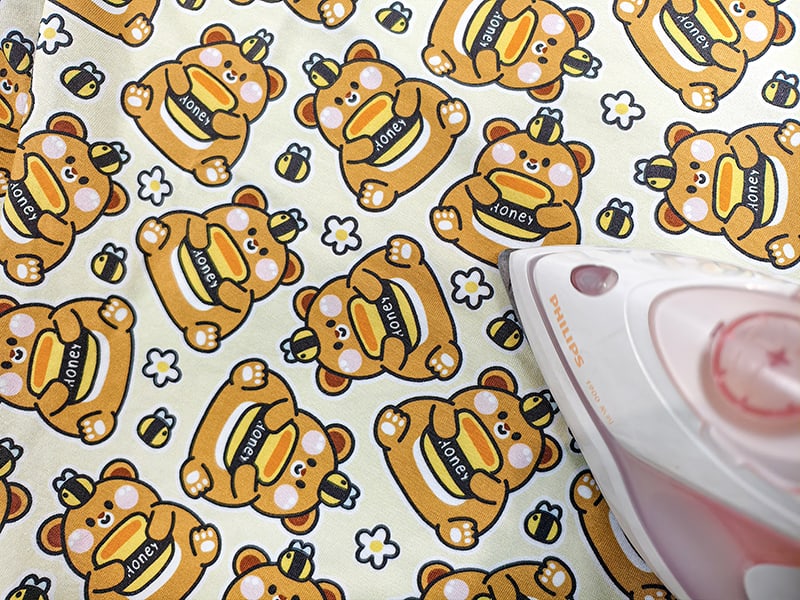
Screen printing can be used for both small-scale projects and commercial production.While simple screen printing kits are available for hobby use, commercial screen printing requires controlled ink formulation, screen preparation, registration, and curing processes, suitable inks, and controlled curing processes.
Materials Needed:
- Screen printing frame and mesh
- Squeegee
- Fabric ink
- Cotton fabric
- Tape
- Design stencil
Quality Fabric Preparation:
| Step | Description |
| Fabric Absorbency | Use cotton with controlled absorbency for clean, sharp prints. |
| Cleanliness | Wash the fabric to remove dirt and oils. |
| Smoothness | Iron the fabric for a flat surface. |
| Pre-wash | Pre-wash to remove sizing and prevent shrinkage. |
| Ironing | Iron to remove wrinkles. |
| Check for Flaws | Look for holes or marks. |
| Pre-treatment (Optional) | Depending on the ink system, curing or heat setting is required to improve wash durability. |
Printing Process:
- Put the cotton fabric on a flat surface.
- Place the stencil on the screen.
- Pour ink onto the screen.
- Hold the squeegee at a 75-degree angle.
- Pull the squeegee across the screen with even pressure.
- Lift the screen and let the print dry.
Finishing Tips:
- Cure the ink with heat so it does not crack or fade.
- Wash the fabric gently to keep the print nice.
Note: Screen printing is best for bold designs and big batches. For detailed or full-color art, digital textile printing services work better.
Best Practices for Sharp Prints:
- Use the same squeegee pressure each time.
- Adjust the screen height for even ink.
- Cure the ink at the right temperature.
Block Printing Basics
Block printing is a traditional way to print on cotton. It gives fabric a handmade look. This method is good for simple patterns and small projects.
Materials Needed:
- Newsprint or protective paper
- Erasable fabric pencil or masking tape
- Cotton or cotton blends
- Block printing ink for fabric
- Carved block or stamp
- Rigid support (like an acrylic block)
Fabric Preparation:
- Pre-wash, dry, and iron the fabric.
- Put newsprint under the fabric to protect the surface.
Printing Process:
- Put a small line of ink on the block.
- Test print on scrap fabric to check ink and pressure.
- Mark where the design goes with a pencil or tape.
- Hold the block with both hands.
- Lower the block straight onto the fabric.
- Press lightly and lift the block straight up.
- Do not print near seams.
Finishing Tips:
- Let the ink dry all the way.
- Heat set the print if the ink needs it.
Tip: Block printing is great for artistic designs and handmade and traditional printing projects. For detailed or big designs, custom fabric printing services have more choices.
Using Fabric Paints
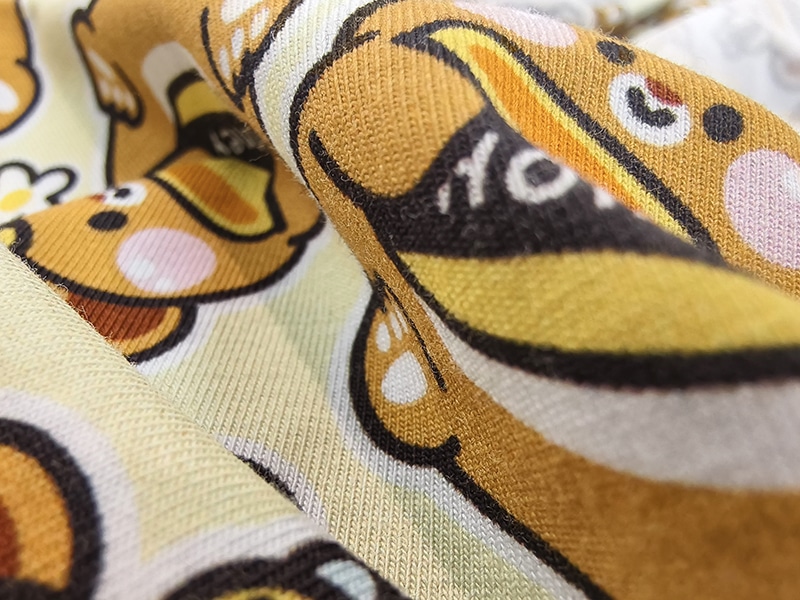
Fabric paints let you make creative designs on cotton. This method is good for beginners and artists.
Materials Needed:
- Fabric paint or acrylic paint with textile medium
- Paintbrushes or sponges
- Cotton fabric
- Iron and pressing cloth
Fabric Preparation:
- Wash and iron the fabric.
- Put cardboard or newsprint under the fabric.
Printing Process:
- Mix acrylic paint with textile medium or use fabric paint.
- Paint your design onto the cotton fabric.
- Let the paint dry all the way.
Finishing Tips:
- Heat set the paint by ironing the back with a pressing cloth.
- Or use a dryer for 20-30 minutes.
- Wash inside out in cold water and air dry.
Note: Use good brands like Jacquard or Pebeo for results. For big orders or business use, professional fabric printing gives strong and bright colors.
When to Consider Professional Textile Printing Services
DIY fabric printing is suitable for small projects and personal use. However, for large orders, complex patterns, or situations where you want the same results every time, professional textile printing services will be of great benefit:
Professional printing equipment provides better consistency, precise color control, and repeatable results.
- Many fabric choices, including cotton and blends.
- Fast turnaround, with no minimum order.
- Good for small and big orders.
Professional services like Doris use eco-friendly printing, flexible order sizes, and reliable delivery. They help brands and designers get high-quality printed cotton easily.
Care Tips for Printed Cotton Fabric
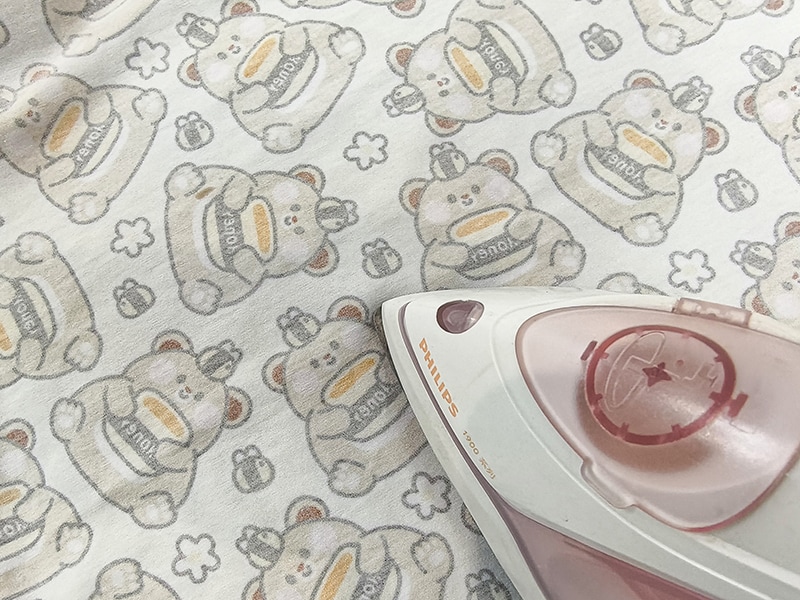
Preparing and Washing Cotton Fabric
Preparing the cotton fabric helps maintain the printing effect. Washing printed cotton with cold or mild-temperature water is generally recommended to help maintain print quality.
- Take off tags and open the fabric all the way.
- Put colors in groups so dyes do not mix.
- Wash the fabric the same way you will later.
- Dry it with air or use low heat to stop shrinking.
- Iron on the reverse side using a suitable temperature setting when needed.
- After you print, wash the fabric gently to keep colors bright. Use soft soap and always wash printed cotton in cold water. Let the fabric dry in the shade. Iron the back side when it is a little wet, and use medium heat.
Ensuring Print Durability
Picking the right ink or paint makes prints last longer. The table below shows how strong different printing methods are on cotton and blends:
| Printing Method | Cotton Compatibility | Features |
| Reactive Printing | Excellent | Bright colors, soft hand feel, high-quality apparel printing |
| Pigment Printing | Good | Flexible process, works on many fabrics |
| Screen Printing | Excellent | Durable and suitable for bulk production |
| Inkjet Transfer | DIY use | Easy but lower durability |
Proper fixation or heat setting is important for certain printing methods, helping improve wash durability and print performance. Ensure even heating and test wash on a small piece of fabric first.
Professional fabric printing companies like Doris use specialized machines and safe printing processes. Professional printing processes are designed to improve print durability, color consistency, and wash performance when properly applied.
The best cotton printing method depends on the fabric composition, design requirements, production quantity, and expected durability.DIY methods are suitable for personal projects, while professional printing services provide more consistent results for brands and designers.Also consider the desired print effect, the time required, and the colors you want. You can print at home yourself or choose a company like Doris, the best choice depends on your fabric type, design complexity, production quantity, and required durability.Custom printing services allow designers and brands to create unique cotton fabrics with flexible quantities and professional results.
FAQ
How to make prints on cotton fabric last longer?
To keep prints vibrant, you should heat-set the inks or pigments. Wash the fabric with cold water and then let it air dry. This helps prevent the pattern from fading.
What is the best way to print intricate designs on cotton fabric?
Digital textile printing, especially reactive digital printing for cotton, is ideal for detailed patterns, photographs, and custom designs.
Can I use sublimation printing on cotton fabric?
Traditional sublimation printing is not suitable for 100% cotton because sublimation dyes are designed for polyester fibers. Cotton fabrics usually require reactive printing, pigment printing, or specially treated sublimation systems.
What is the best commercial printing method for cotton fabric?
Reactive dye printing is one of the most widely used commercial methods for cotton fabrics. It provides excellent color depth, soft hand, and good wash durability, making it suitable for apparel and custom fabric production.
Can I print on cotton fabric at home without a special machine?
Yes. Methods such as inkjet transfer, block printing, and fabric painting can be done at home without specialized commercial equipment. However, durability and color consistency are generally lower than professional methods, so these approaches are best suited for personal projects and small-batch crafts.