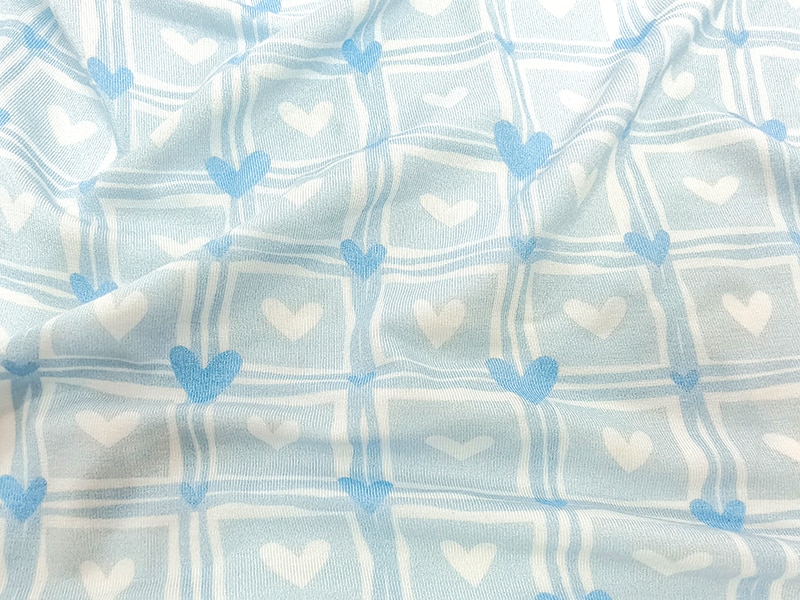
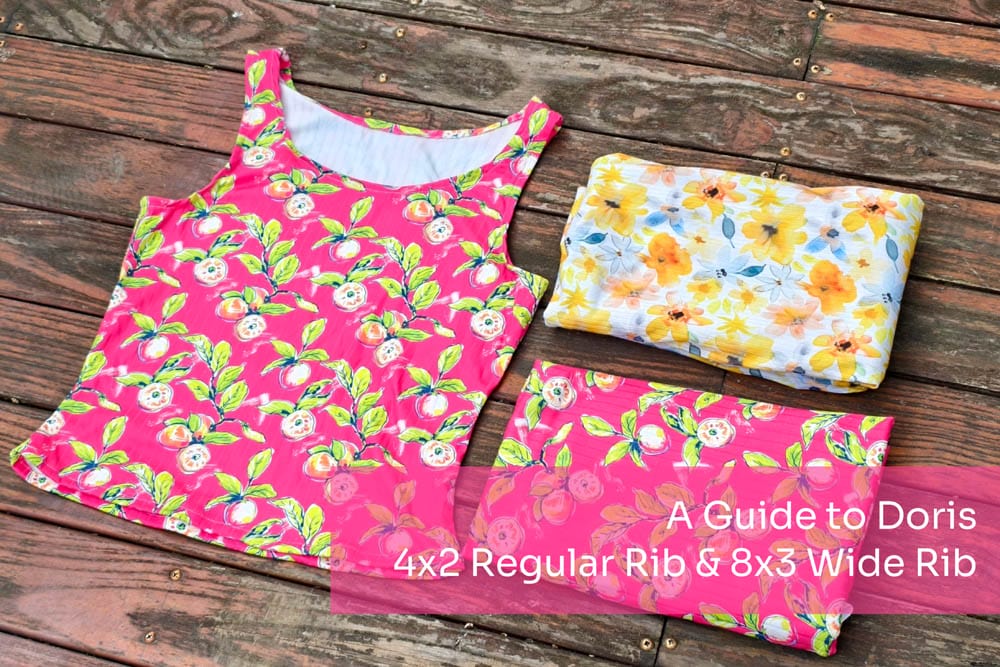
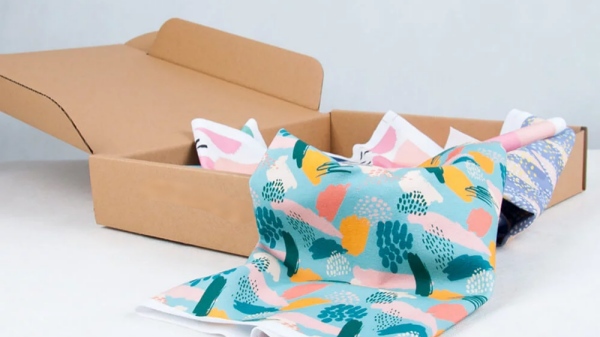
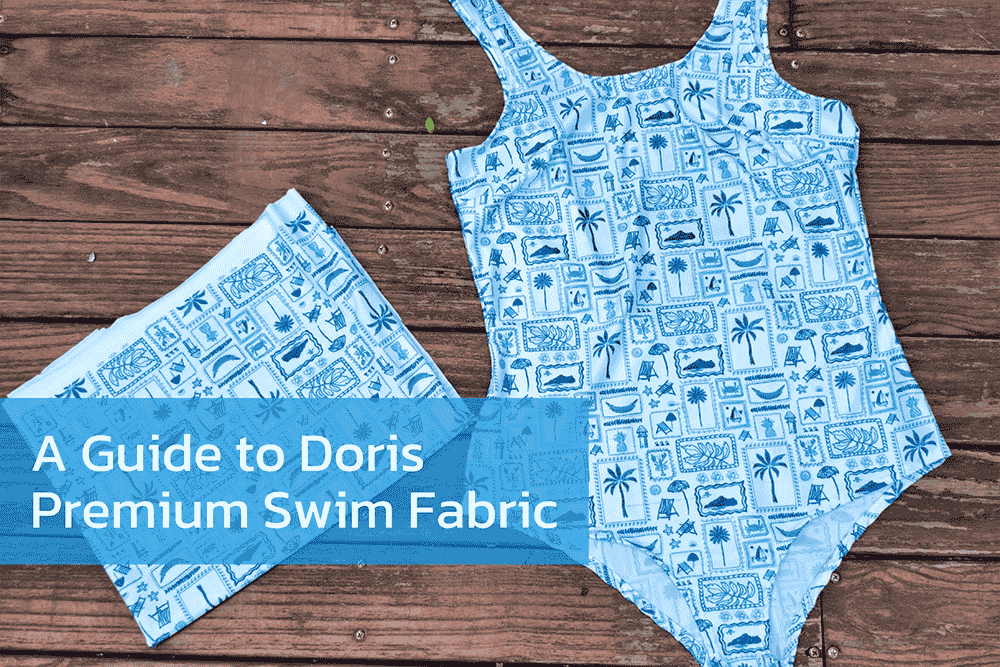
Rayon printed fabrics are known for their excellent color absorption and soft, natural appearance. As a regenerated cellulose fiber, rayon reacts well with reactive dyes. Reactive dyes chemically bond with cellulose fibers, allowing rayon fabrics to achieve excellent color penetration, soft gradients, and long-lasting color performance.This makes it a preferred choice for garments where subtle elegance is valued over high-impact brightness.Compared to polyester, which can produce extremely vivid and sharp colors through sublimation printing, rayon offers a more subdued, luxurious look with superior depth in darker tones and a softer fabric hand. Its appeal lies in an understated elegance rather than high-impact saturation.
Key Takeaways
- Rayon fabrics are favored by designers for their soft drape, comfortable feel, and beautiful color depth after printing.
- Rayon fabrics can be printed with both reactive dye printing and pigment printing. Reactive printing is often preferred as it bonds directly with the cellulose fibers, delivering deeper color yield and a softer hand. Pigment printing is a viable alternative for designs that prioritize simpler processing or need broader fiber compatibility. However, pigment printing usually provides lower color penetration (i.e., color sits on the surface) and may have a slightly different hand compared with reactive dye printing.
- Proper care of rayon fabrics, such as washing in cold water and air drying flat, will keep custom prints soft and clear. Tumble drying is not recommended, as rayon loses strength when wet and is prone to shrinkage and distortion.
Exploring Rayon Fabric Print Quality
Excellent Color Depth and Natural Appearance in Rayon Printing
Rayon’s regenerated cellulose structure bonds effectively with reactive dyes, delivering rich colors, smooth gradients, and a soft, natural appearance. Printed cotton fabric also achieves excellent results with reactive printing, offering its own classic matte texture rather than being inherently limited in color saturation. Polyester, through sublimation printing, produces extremely sharp and bright colors, while rayon provides a softer hand, fluid drape, and a more natural wearing experience.
Long-Term Durability of Printed Rayon
Printed rayon textiles are valued for their softness, comfort, and fluid drape, making them a popular choice for clothing and accessories such as shirts, dresses, and scarves. However, rayon is not a high-durability fiber — it loses strength when wet and has lower abrasion resistance than polyester. Proper care is essential to maintain fabric shape and print quality over time. The colorfastness of printed rayon depends on the dye type, fixation process, and finishing treatment; with the right combination, reactive printing can deliver rich, lasting color that holds up well under proper care. Reactive printed rayon can achieve good wash fastness when properly processed, although the fabric itself still requires gentler care compared with polyester.
Key Material Properties Affecting Rayon Print Quality
Premium Softness and High Absorbency in Fabric Printing
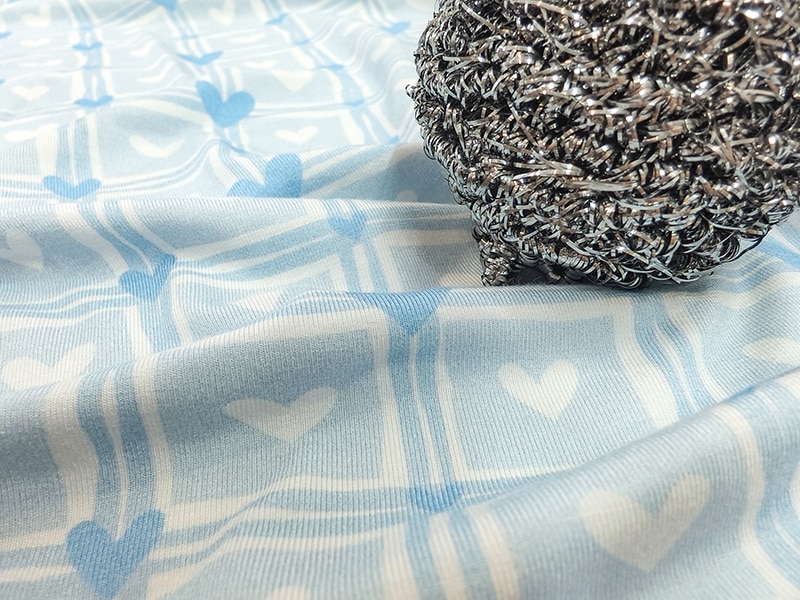
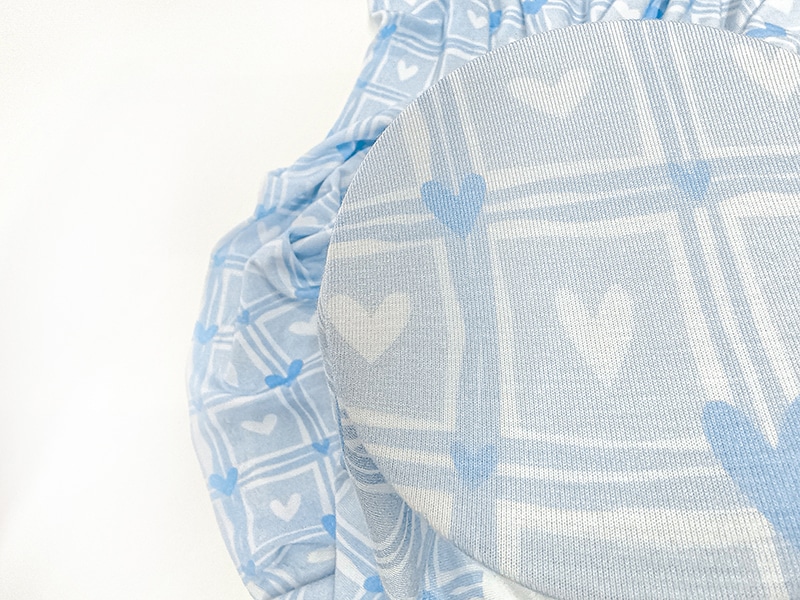
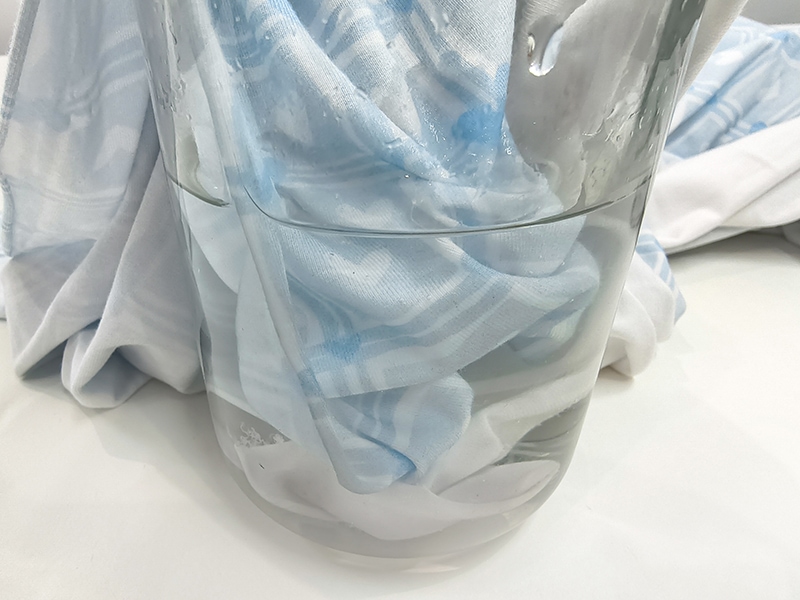
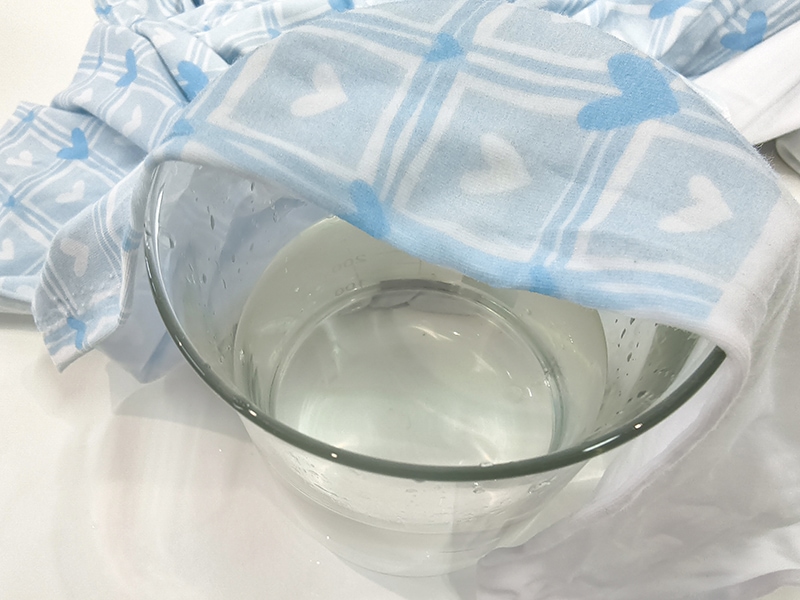
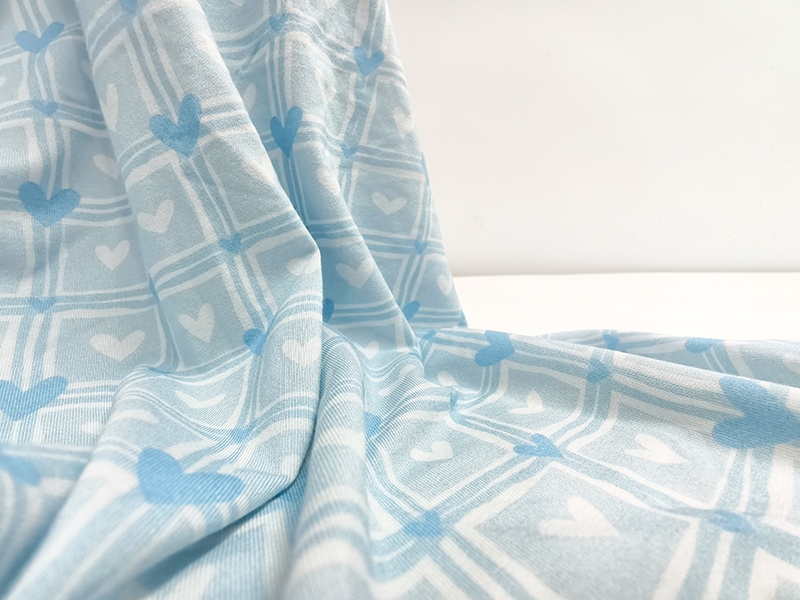
Rayon fabric is exceptionally soft to the touch and has excellent absorbency. Therefore, it is a popular choice for clothing designed to be comfortable against the skin. Its smooth surface contributes to clear and delicate prints. Designers favor rayon because it readily absorbs dyes and pigments, resulting in rich colors and detailed patterns through suitable printing processes.
| Property | Description |
| Absorbency | Rayon is highly absorbent, like cotton. |
| Softness | The fabric is soft and feels nice to wear. |
| Dye Absorption | Rayon has excellent dye absorption, allowing deep and even color development. |
| Tensile Strength | It is weaker when wet, so handle with care. |
| Elasticity | Rayon generally has limited natural stretch. |
| Print Performance | Reactive dyes produce deep colors and excellent softness |
Heat Sensitivity and Post-Print Fabric Care
Rayon is sensitive to excessive heat, especially when wet. During post-print drying, steaming (fixation), and pressing, temperature and tension must be carefully controlled to avoid scorching, yellowing, shrinkage, or fabric distortion. Rayon also loses significant tensile strength when wet, so during washing and finishing — including the post-printing steaming process required for reactive dyes — the fabric must be handled with low tension to prevent stretching and pattern distortion. Lay flat or hang dry according to garment construction; tumble drying is best avoided due to rayon’s tendency to shrink and lose shape. With proper care, rayon printed fabrics can retain their softness and appearance over time.ive dyes — the fabric must be handled with low tension to prevent stretching and pattern distortion. Air drying flat is recommended; tumble drying is best avoided due to rayon’s tendency to shrink and lose shape. With proper care, rayon printed fabrics can retain their softness and appearance over time.
Technical Factors Affecting Rayon Print Quality
Fabric Type and Essential Pre-Treatment for Rayon
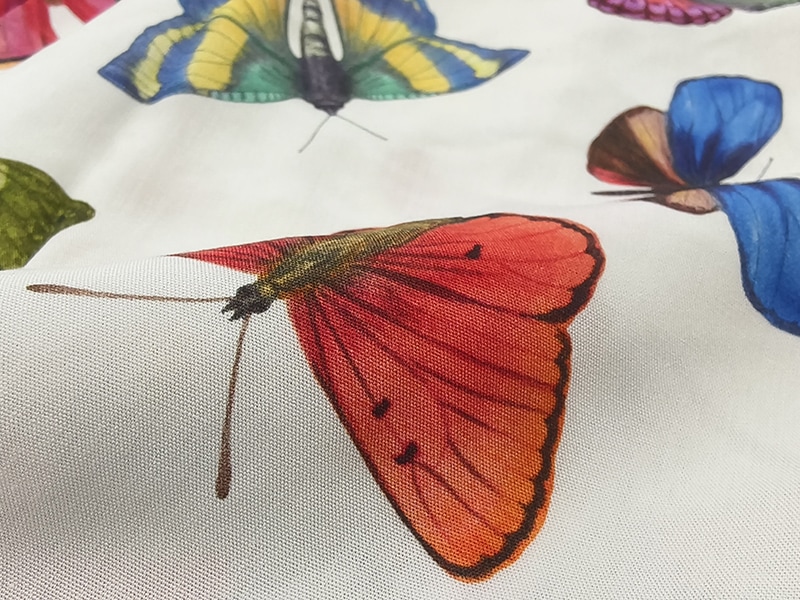
The construction of rayon fabric affects the printing result. Tightly woven rayon fabrics typically produce sharper, more defined patterns, while knit constructions — such as rayon jersey, french terry, and rayon spandex blends — may require additional control during printing because stretch and fabric movement can affect print alignment. Pre-treatment helps improve dye uptake (for reactive dyes) or binder adhesion (for pigments), contributing to richer color and better print longevity.
Ink Compatibility and the Advantages of Reactive Dye Printing
Choosing the right colorant is crucial for achieving good printing results. Reactive dye printing is best suited for rayon fabrics because reactive dyes chemically bond with cellulose fibers, resulting in excellent color depth and softness. When properly fixed and washed, reactive dyes provide excellent wash fastness and long-lasting color performance. Designers often use reactive dyes to create intricate patterns and rich colors.Dye selection directly affects color performance and durability — reactive dyes form covalent bonds with cellulose fibers, while pigments rely on surface binders for fixation. Using the right system can keep rayon prints looking new for a long time.
Pigment Printing — Flexible and Versatile Option
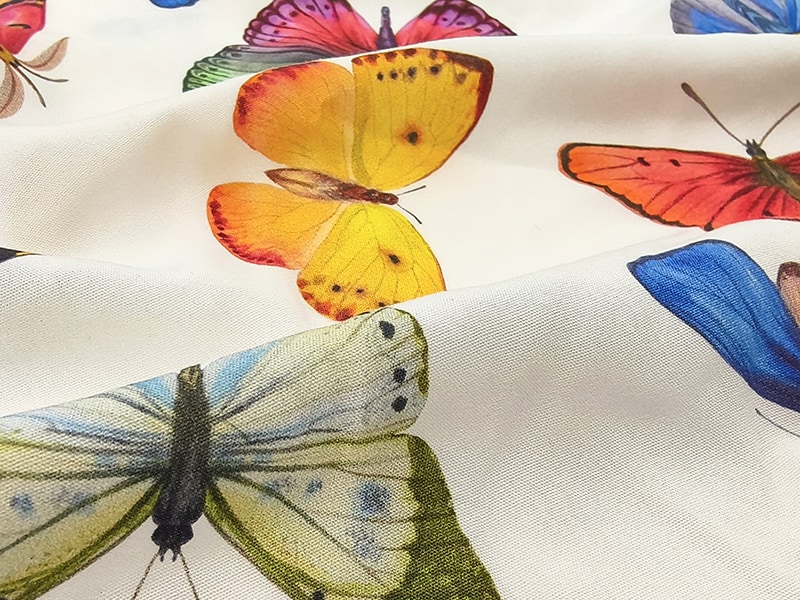
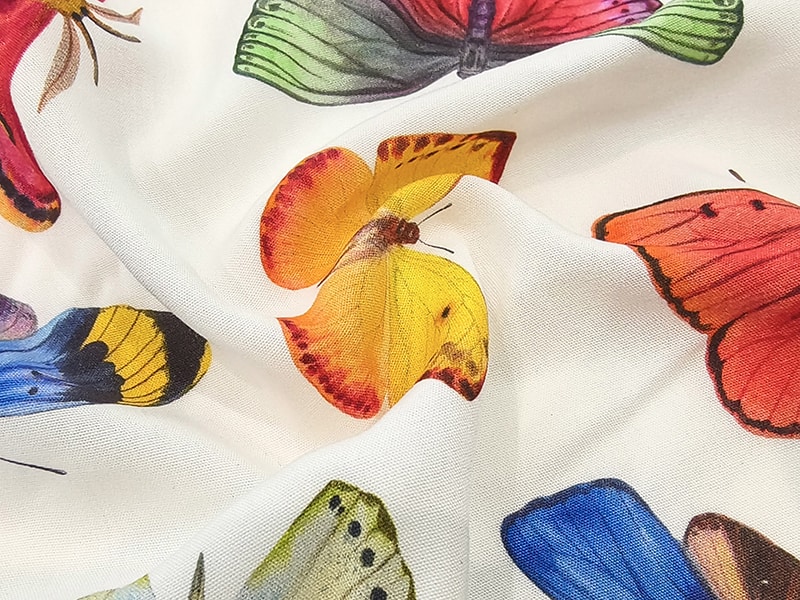
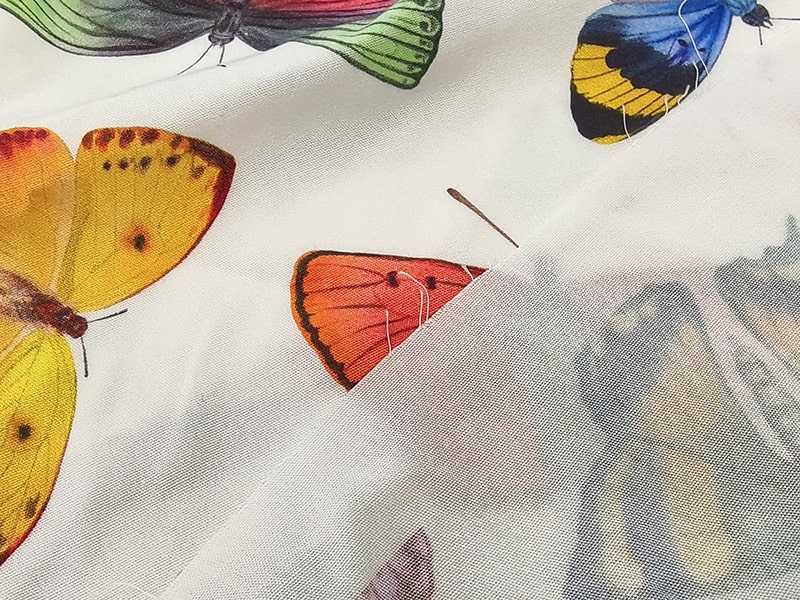
Pigment printing is a practical alternative to reactive dye printing for rayon fabrics. Unlike reactive dyes that chemically bond with cellulose fibers, pigment colors sit on the fabric surface and are fixed with a binder, making the process adaptable across different fabric types and production needs. While pigment prints may not achieve the same depth of color and soft hand feel as reactive printing, they offer distinct advantages: simpler processing, broad fiber compatibility, and the flexibility to produce a wide range of designs without complex post-treatment.
Traditional Screen Printing on Rayon Fabrics
Screen printing is a widely used production method for rayon fabrics, suitable for larger production runs. It can work with different printing systems, including pigment printing pastes. The print quality and hand feel on rayon depend heavily on proper ink selection and curing conditions. When done correctly, screen printing produces prints that remain soft and durable without cracking or peeling. The final color performance is influenced by the fabric base color, ink type, and curing process. Screen printing is a reliable choice for high-volume orders seeking a clean, consistent finish.
Advanced Digital Textile Printing for Intricate Designs
Digital printing technology allows designers to customize patterns on rayon fabrics with full flexibility. This method supports intricate designs, smooth gradients, and photographic imagery without the need for traditional screen setup. The smooth surface of rayon contributes to sharp and clear print results. Digital printing is particularly suited for small-batch production and on-demand orders, as pattern changes are quick and convenient. However, the per-meter cost may be higher compared to traditional methods — making it ideal for customization and short runs rather than high-volume, cost-sensitive production.
Sublimation Printing vs. Reactive Dye Printing Alternatives
Sublimation printing is generally not suitable for 100% rayon, as sublimation dyes are designed to bond with polyester fibers. However, rayon-polyester blends with sufficient polyester content may be compatible, depending on the fabric composition. For high-quality rayon printing, reactive dye printing is often the preferred choice—it bonds directly with cellulose fibers to produce rich, deep colors while maintaining the fabric’s soft hand feel. Pigment printing is also an option when production flexibility and broader fiber compatibility are needed.
| Printing Method | Suitability |
| Reactive Dye Printing | Best choice for 100% rayon |
| Pigment Printing | Alternative option |
| Screen Printing | Suitable for larger production |
| Sublimation | Not suitable for 100% rayon |
Which Printing Method Is Best for Rayon?
For 100% rayon fabrics, reactive dye printing is usually the preferred choice because it provides the best combination of color depth, softness, and durability. Pigment printing offers a simpler alternative, while sublimation printing is generally not suitable unless polyester fibers are present.
FAQ
Will Printed Rayon Fabrics Maintain Color After Washing?
Yes, rayon printed fabrics can maintain excellent color appearance after washing when high-quality reactive dyes and proper finishing processes are used. Following care instructions helps preserve both color and softness.
What Is the Best Way to Execute Digital Textile Printing on Rayon?
For digital printing on rayon, reactive digital printing is usually the preferred method because it provides excellent color depth and maintains the soft hand feel of rayon.