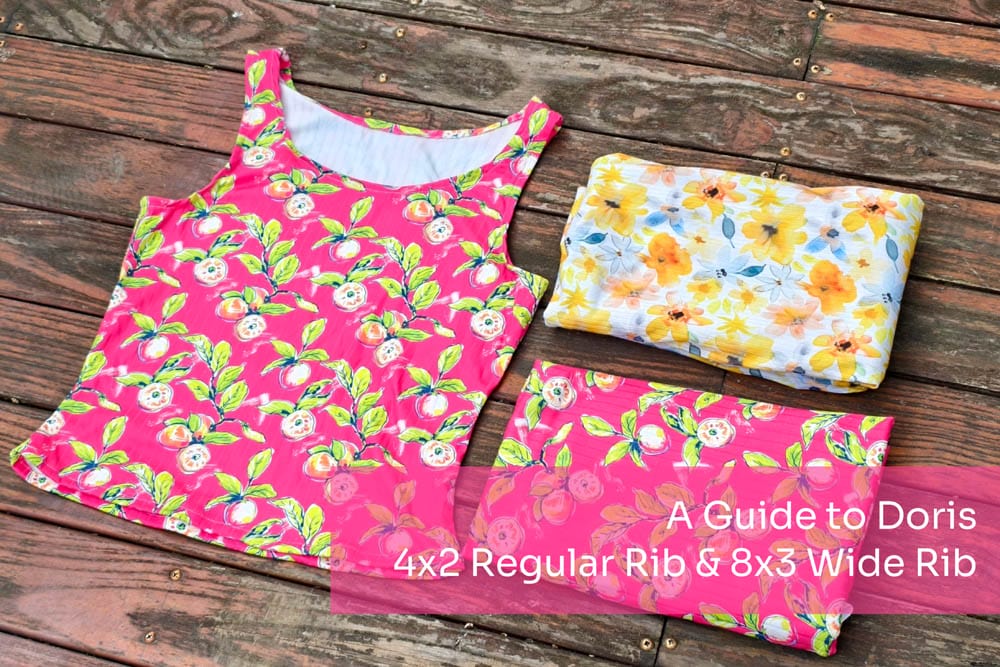
All printed textiles experience gradual color change over time due to washing, friction, and UV exposure. Modern digital printing uses different ink systems depending on the fiber type: reactive dye inks bond chemically with cellulose fibers such as bamboo rayon blends and organic cotton; sublimation inks penetrate polyester; and pigment inks sit on the fabric surface fixed by binders.Each system offers different color performance, and the durability of a digital print depends on the interaction between the fiber, ink system, finishing process, and care conditions.With proper maintenance, high-quality digital prints will hold their color well under normal use.
Key Takeaways
- Proper Care Prolongs Lifespan: Wash digitally printed fabrics in cold water using gentle, color-safe detergents to help reduce unnecessary color loss over time.
- Avoid Excessive UV Exposure: Prolonged direct sunlight can gradually affect some dyes and pigments, especially in outdoor applications.
- Choosing the right fabric and printing method together is what matters. The fabric type alone does not guarantee superior fade resistance; the correct combination of fiber and ink system determines long-term color performance.
Why Digitally Printed Fabric Fades
Understanding what causes color degradation can help you protect your textiles. Fading is primarily driven by two main factors: material properties and ink/dye chemistry.
Material Factors Affecting Printed Fabric Colors
Bamboo and other cellulose-based fabrics printed with reactive dye
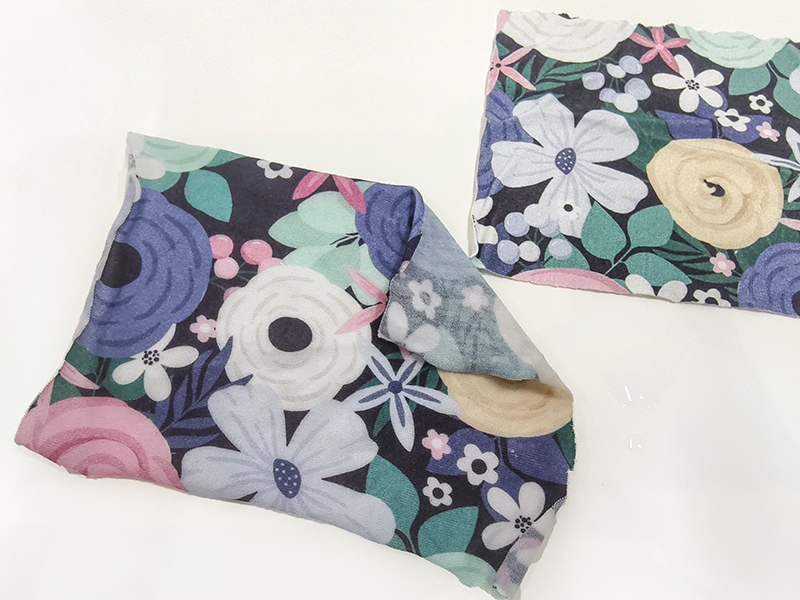
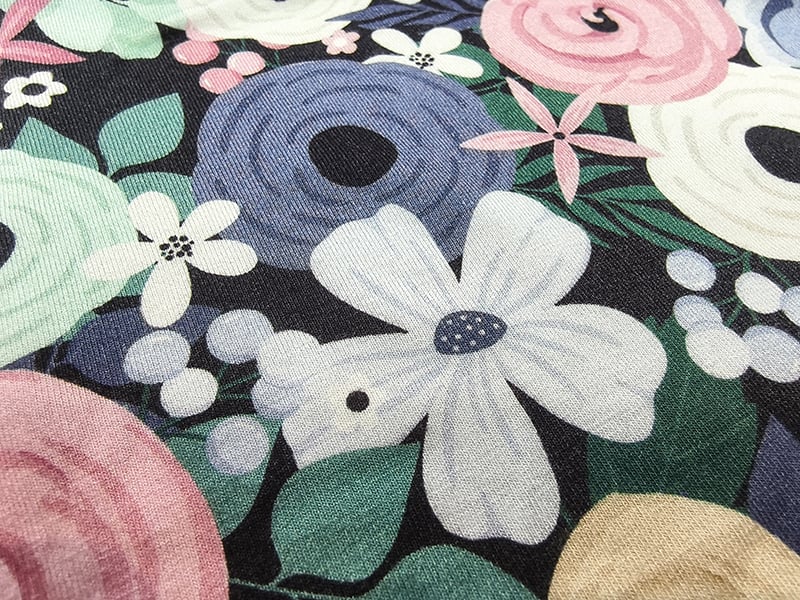
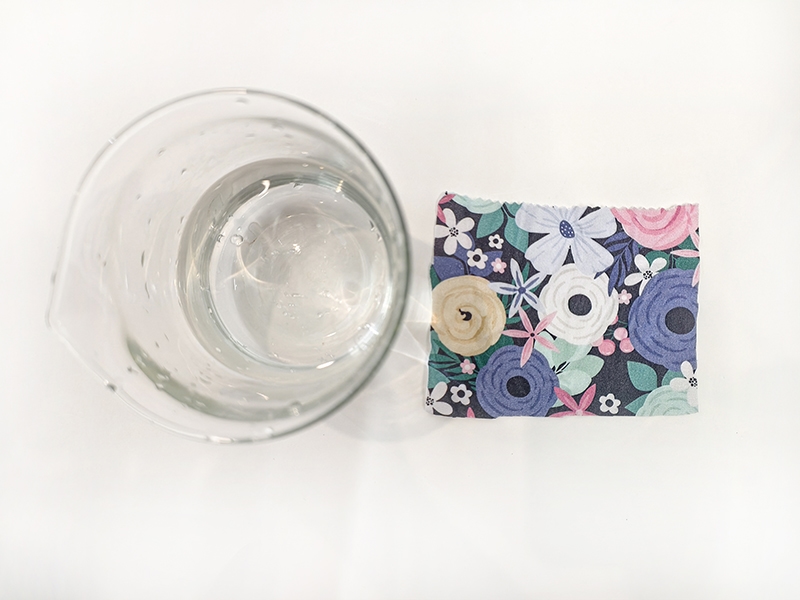
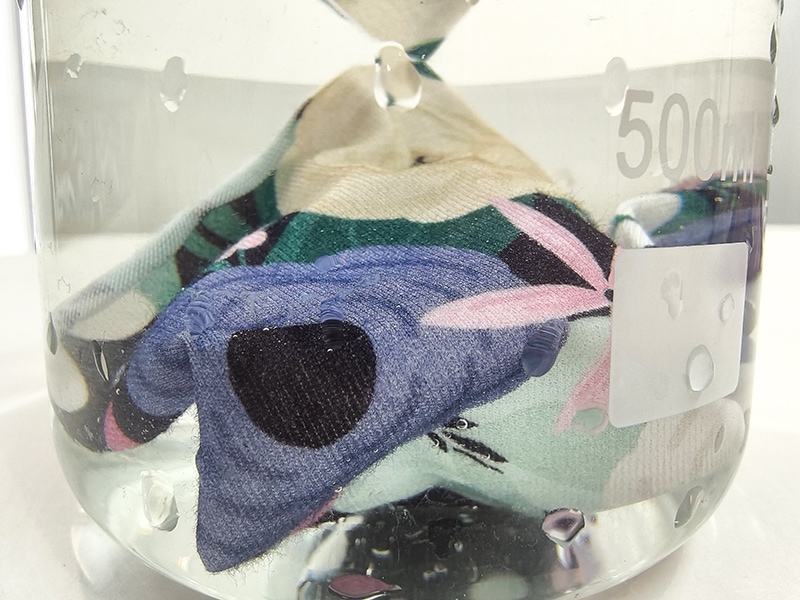
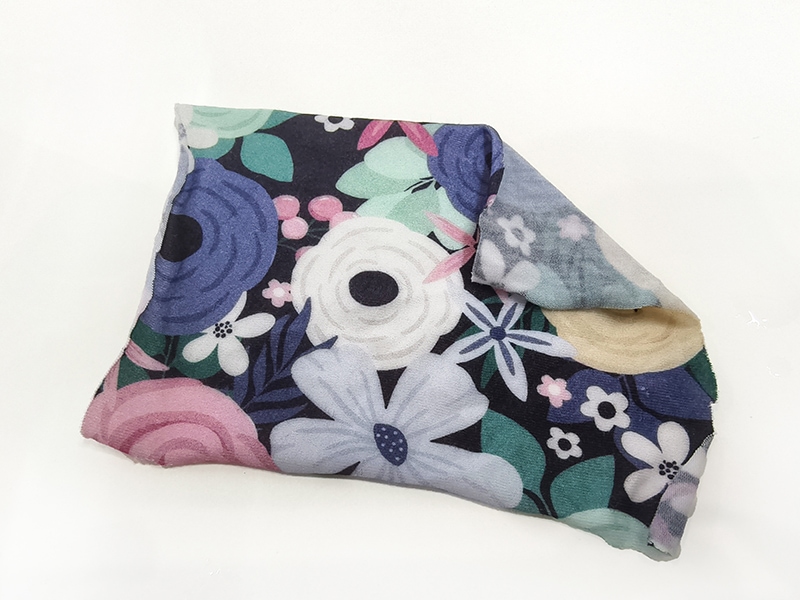
The combination of ink type and fabric composition plays a major role in color fastness. For cellulose-based fabrics, reactive dyes are the standard choice, forming strong chemical bonds with the fibers. When supported by proper steaming, washing-off, and fixation in the finishing process, reactive printing delivers rich, lasting color. This is why fabrics such as bamboo rayon/spandex blends, bamboo French terry, and bamboo cotton blends can maintain good wash durability after multiple washes when properly processed.
Organic cotton double gauze and pigment printing longevity
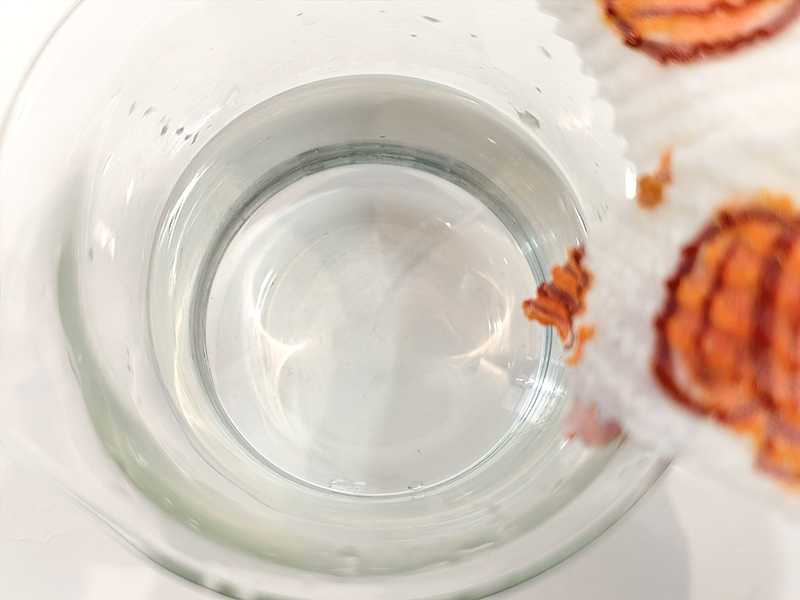
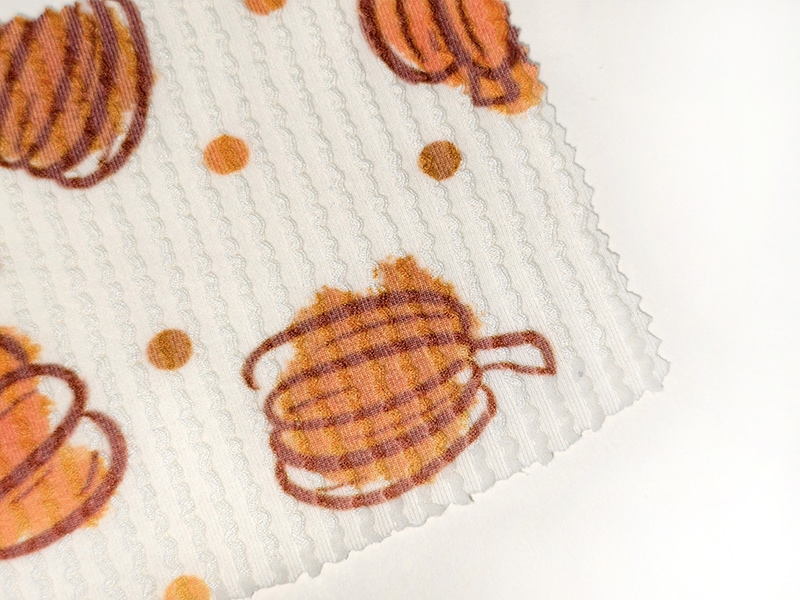
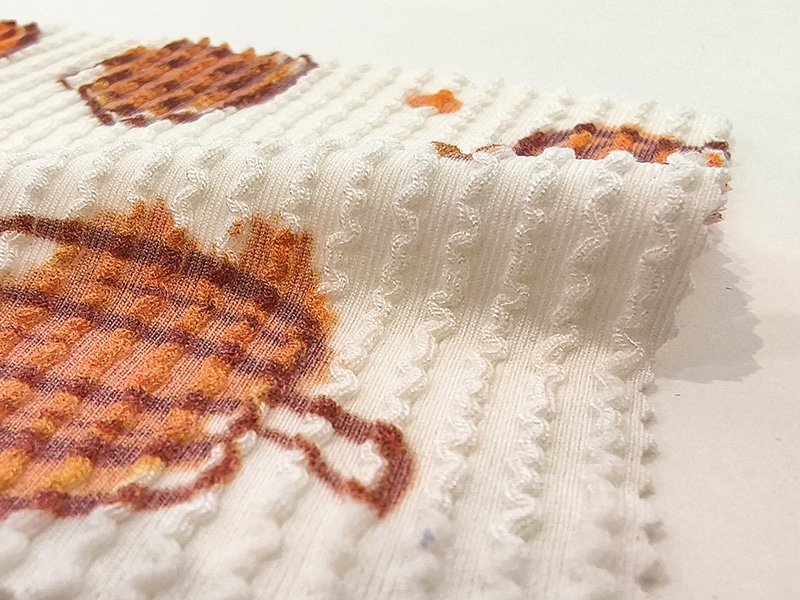
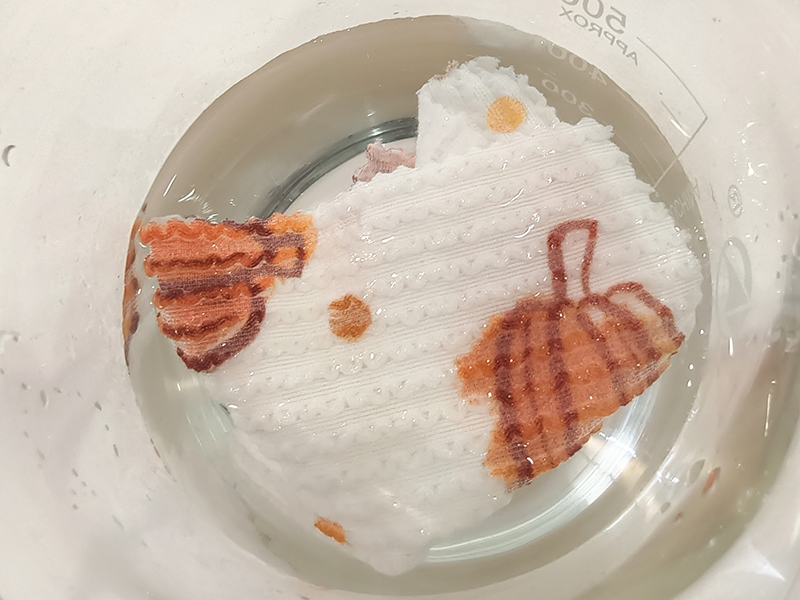
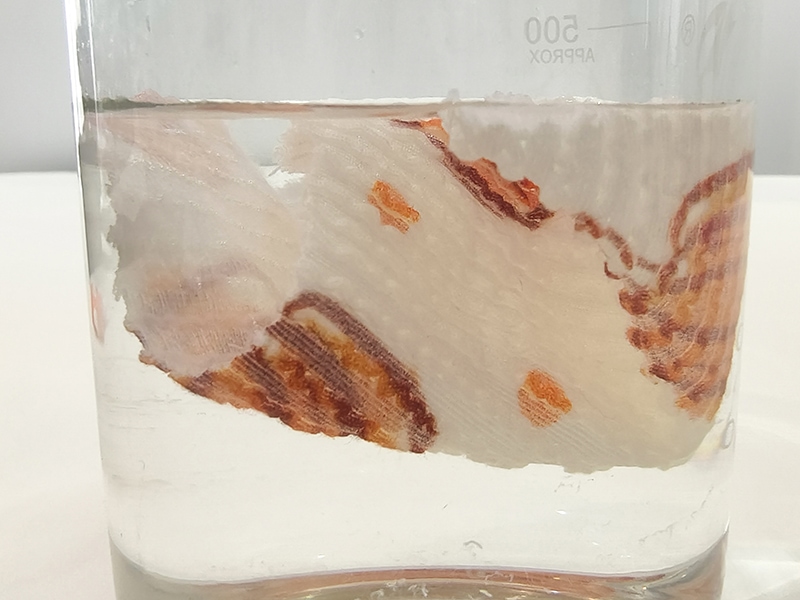
Organic cotton double gauze works well with multiple printing systems. Reactive printing offers deeper color uptake into the cellulose fibers, while modern digital pigment printing has also matured significantly, providing a versatile option with simpler processing requirements and reliable results. The longevity of either approach depends on ink quality, binder formulation, and proper finishing.
Sublimation Polyester Knit and Vibrant Poly Bases
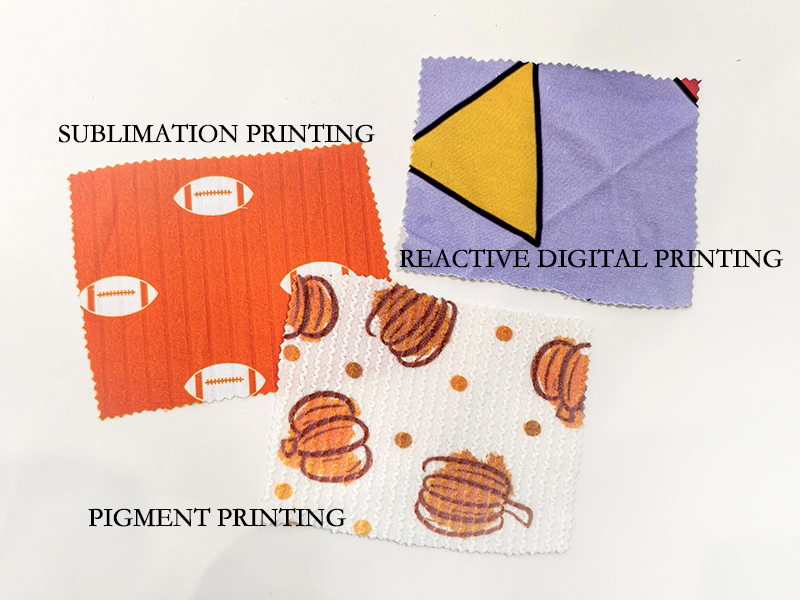
For polyester-based fabrics, sublimation printing is widely recognized for excellent wash durability and strong color performance. Sublimation dyes are converted into gas under heat and pressure, fusing permanently into the polyester fibers. Polyesterbases such as stretch Bullet, textured Liverpool, and Double Brushed Poly (DBP) are commonly used with sublimation printing to achieve rich, detailed graphics. Because sublimation dyes become part of the polyester fiber structure, sublimation prints do not crack or peel. However, color performance can still be affected by UV exposure, dye migration, and improper production conditions.
Ink and Dyes Affecting Printed Colors
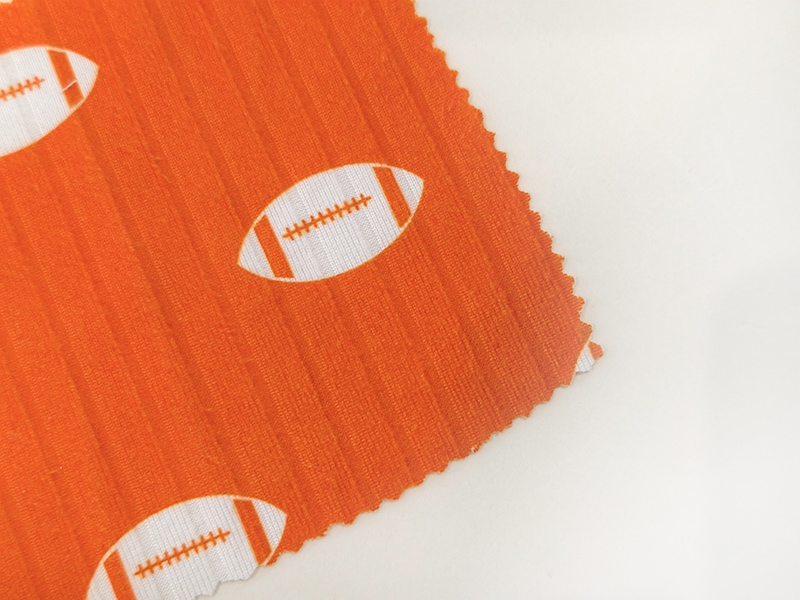
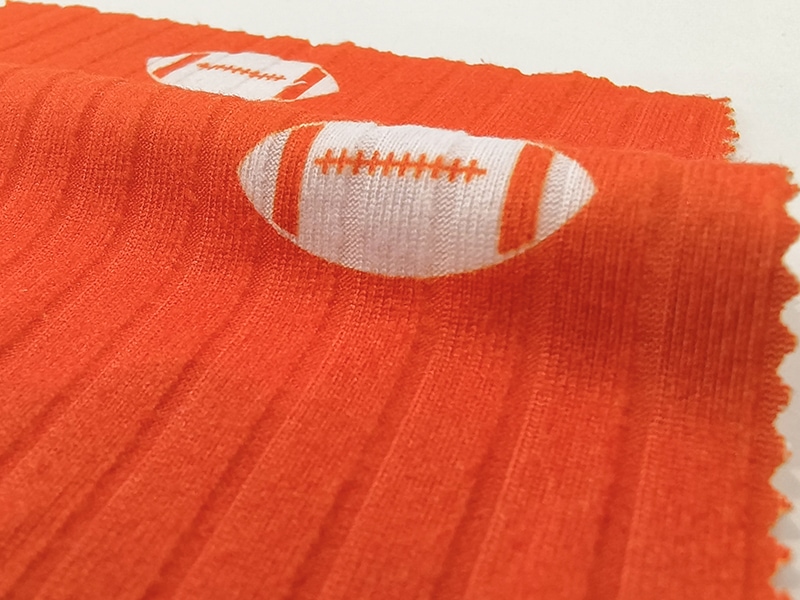
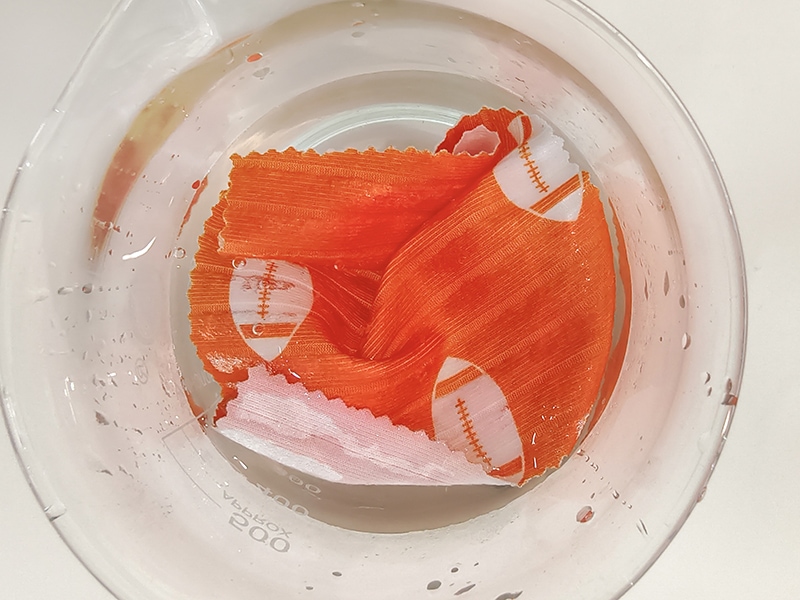
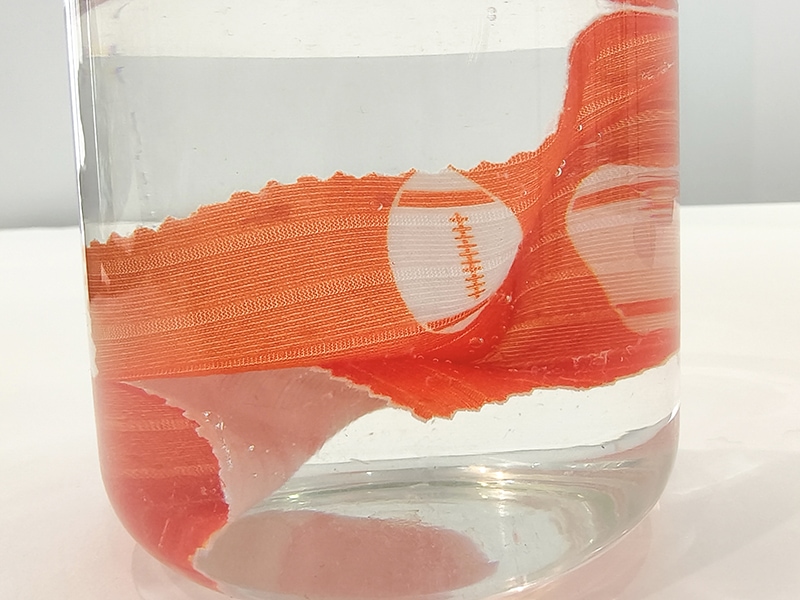
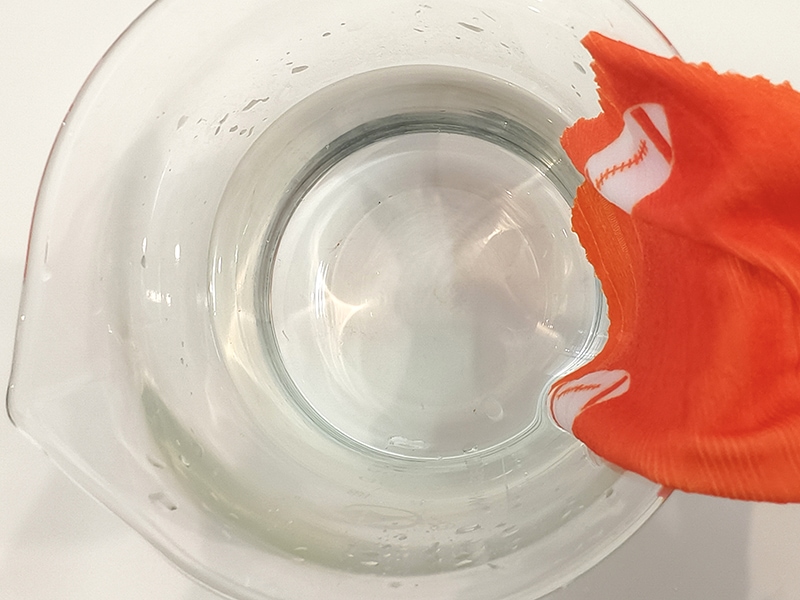
The chemistry and quality of the inks and dyes used in digital textile printing are the most critical determinants of color vibrancy and fade resistance. Different ink types interact with fabric fibers in unique ways:
- Reactive Dyes (Commonly Used for Natural Cellulose Fibers): Primarily used on bamboo, cotton, and linen. These dyes undergo a chemical reaction during fixation, typically using steam or heat depending on the process. Because the color becomes an integral part of the fiber itself, reactive-printed fabrics exhibit outstanding wash-fastness and do not easily bleed or fade during laundry cycles.
- Sublimation inks are formulated for polyester and synthetic blends. Under high temperature and pressure, the ink turns into gas and infuses directly into the polymer fiber structure rather than sitting on the surface. Because there is no surface film, sublimation prints do not crack or peel and offer excellent wash durability. However, color performance can still be affected by UV exposure, dye migration, and poor temperature control during production.
- Pigment inks are versatile and can be used across many fabric types. Because they sit on the fabric surface held by a binder rather than bonding chemically with the fibers, their durability depends heavily on binder quality and curing conditions. Modern pigment printing technology has advanced significantly — with proper formulation and finishing, pigment prints can now achieve good wash fastness. Pigment prints can provide good light fastness depending on pigment quality, binder formulation, and finishing conditions. They may also offer good UV resistance when properly formulated.
Digital vs. Traditional Printing Durability
Digital printing process benefits
Digital textile printing offers design flexibility and reduces setup requirements compared with traditional screen methods.It allows designers to create complex multi-color patterns, smooth gradients, and intricate details without the traditional color separation process required for many screen printing applications. That said, the achievable color range is bounded by the CMYK ink set, the printer’s gamut, and the base fabric color — not truly unlimited. On smooth, well-prepared fabric surfaces, digital printing can achieve sharp and detailed results.
Traditional roller and flatbed printing limitations
Traditional printing methods such as rotary screen printing use screens or rollers to apply dyes or pigments and are especially efficient for large-scale production. Depending on the ink system chosen — pigment, reactive, or discharge — the print can sit on the surface or bond into the fibers, so stiffness and durability vary by application rather than being inherent to the method itself. When properly executed with the right chemistry for the fabric, traditional printing can produce durable, soft-hand results.
Fade resistance comparison across processes
| Printing Method | Strength | Consideration |
| Reactive Digital Printing | Excellent for small batches, detailed patterns | Requires proper pre/post treatment |
| Sublimation Printing | Excellent wash durability on polyester | Only works on polyester-based fabrics |
| Rotary Screen Printing | Cost-effective for large production | Higher setup cost and fewer design changes |
How to Prevent Fading: Expert Tips
To maximize the lifespan of your custom textiles, follow this professional care routine:
- Turn Inside Out: Always flip garments inside out before washing to eliminate surface friction.
- Wash Cold: Washing with cooler water helps reduce fiber stress and slows color degradation.
- Choose Gentle Cycles: Wash with similar soft fabrics and avoid mixing with heavy items like denim or outerwear.
- Air Dry in the Shade: Skip the high heat of the tumble dryer. Line-drying in a shaded area prevents both heat and UV damage.
- Iron with Care: If ironing is necessary, use a low heat setting and place a protective pressing cloth over the printed design.
Which digital printing method fades the least?
There is no single digital printing method that works best for every fabric. Sublimation printing on polyester generally provides excellent wash durability because the dye becomes part of the fiber structure. Reactive digital printing is preferred for cotton and bamboo-based fabrics because the dyes chemically bond with cellulose fibers. Pigment printing offers versatility across different fibers, with durability depending on binder quality and curing conditions.
FAQ
Does digitally printed fabric fade quickly?
High-quality digitally printed fabrics generally have good color durability when the correct printing method is used. However, fading resistance varies depending on fabric type, ink system, and care conditions.
Can I iron digitally printed fabric?
Yes, but always follow the recommended temperature for the specific fabric and printing system.
What detergents are safe for digital prints?
Mild, liquid, and color-safe detergents are highly recommended. Avoid any products containing chlorine bleach, strong stain removers, or optical brighteners.
Why does the same design look different on different fabrics?
Fabric structure, fiber composition, surface texture, and finishing processes all affect the final appearance of printed colors.
What Determines Digital Print Durability?
| Factor | Impact |
| Fabric Fiber | Cotton/Bamboo commonly use reactive printing; Polyester commonly uses sublimation printing. |
| Colorant System | Determines bonding method and wash resistance |
| Pretreatment | Improves ink penetration, fixation, or surface preparation depending on the printing system. |
| Fixation Process | Steam fixation or heat curing affects durability depending on the ink system. |
| Washing Method | Helps reduce mechanical stress and unnecessary color loss during washing. |
| Method | washing |