Bamboo-based fabrics, most commonly bamboo rayon (viscose), are regenerated cellulose fibers that are well suited for printing, particularly with reactive dyes. Designers favor bamboo for its softness, smooth surface, moisture absorption, and fluid drape — qualities that make it an appealing choice for comfortable and lightweight garments. That said, the final print quality depends on several factors: the printing method, dye type, fabric pre-treatment, weight, and whether the fiber is blended with other materials. When the right combination is in place, bamboo can deliver soft, elegant color results rather than aggressive brightness or guaranteed color retention. Compared with polyester sublimation printing, bamboo-based fabrics produce a softer, more matte color effect with excellent moisture absorption properties, making them better suited for garments where natural aesthetics and comfort are prioritized over color brilliance.
Key Takeaways
- Bamboo-based fabrics are often chosen for their soft hand and renewable raw material source.
- Water-based inks can be a lower-impact option compared with solvent-based systems, depending on formulation and production conditions. For bamboo fabrics, however, reactive printing is generally considered the preferred method for achieving the best color depth and softness on bamboo cellulose fabrics. Water-based pigment inks are a viable alternative but not the optimal choice for this fiber.
- For best results, choose a clear image and test it on a small area first to ensure the fabric remains soft and the print is effective.
Print Quality on Bamboo Fabric
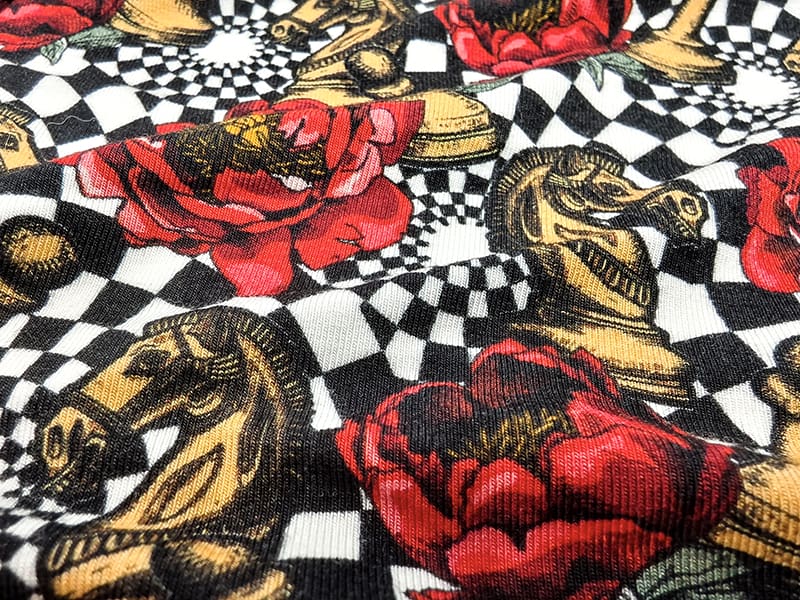
The look and feel of Bamboo Fabric
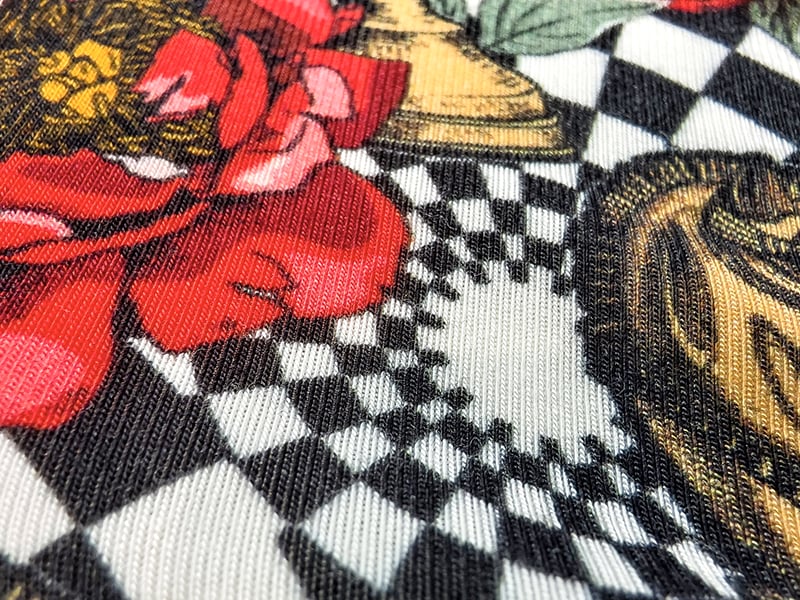
Bamboo-based fabrics, including bamboo jersey and bamboo blends, offer a smooth surface that supports even dye distribution and consistent print definition.With proper pre-treatment and finishing — including fabric preparation, steaming, and washing — reactive digital printing produces even, natural-looking colors on bamboo without the overly bright appearance of synthetic alternatives.The fabric’s matte surface reduces glare and helps designs read consistently across different lighting conditions.
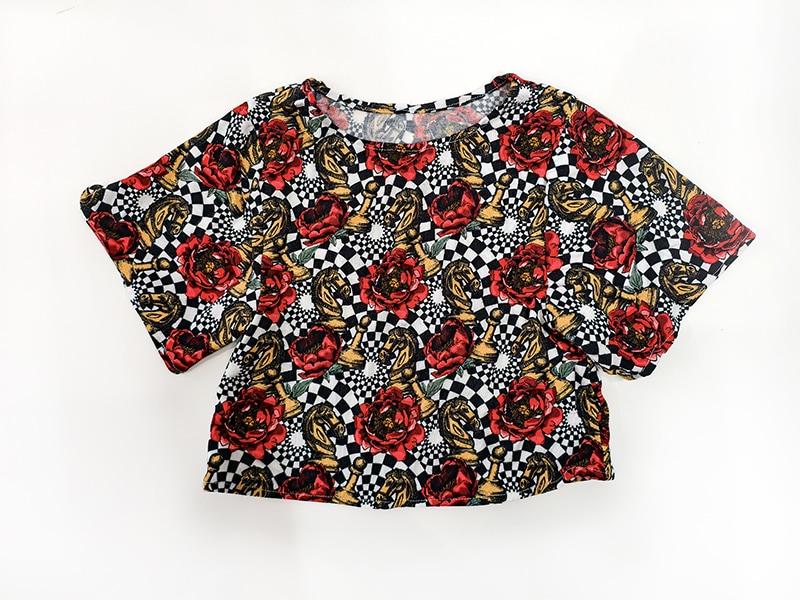
Bamboo Fabric’s diverse design options
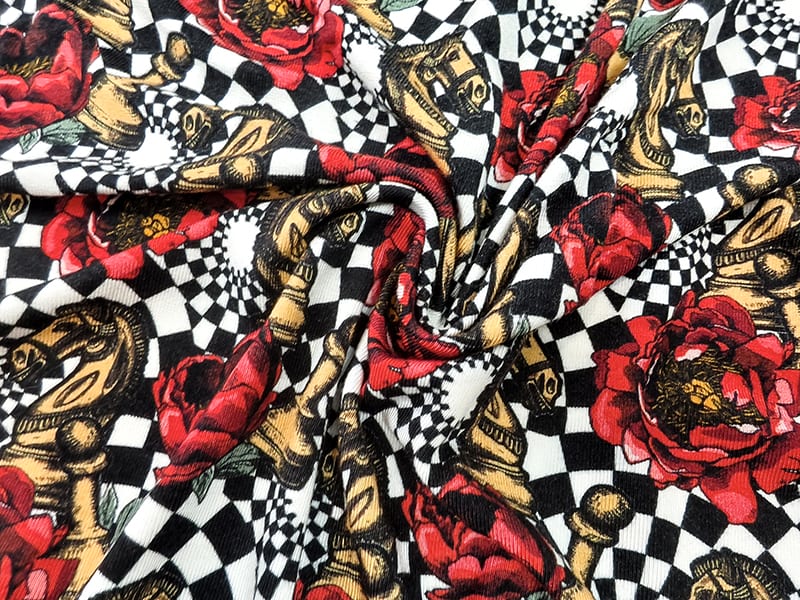
Bamboo fiber fabric adapts to a range of design styles. Its soft hand suits delicate patterns and gentle graphics, while its fluid drape lends itself naturally to gradient colors and abstract shapes. Bamboo rib and bamboo french terry are particularly popular for infant and kids Fabrics and loungewear, offering comfort and a cozy texture. For designs that require stretch and body-hugging fit, bamboo blended with spandex is a common choice, widely used in yoga wear, everyday activewear, and fitted garments. It is also found in bedding, towels, and eco-friendly bags. Keep in mind that the final print result depends on fabric surface and structure — ribbed textures, for instance, will soften fine detail — so design expectations should match the fabric choice.
Key Factors Affecting the Print Finish
The colorant you choose will affect the printing effect on bamboo fiber fabric. Reactive printing can achieve deeper colors, excellent color depth, and a soft hand, which is the standard choice for our Natural Fibers collection. Blending bamboo fiber with other fibers will change the look and feel of the print.
How to Print on Bamboo Fabric: Main Techniques
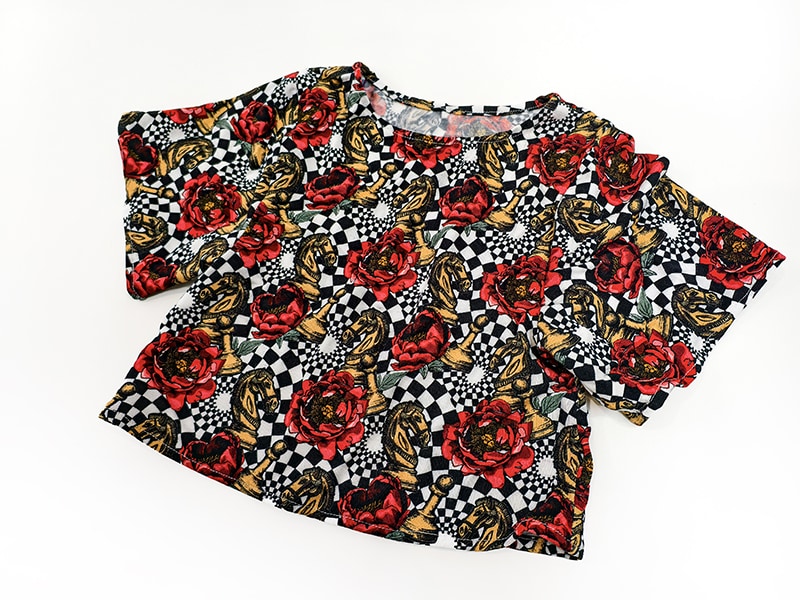
Designers have many ways to print on bamboo fiber fabrics. One can choose from screen printing, digital printing, or heat transfer. Each method has its own advantages and disadvantages depending on your production scale.
Traditional Screen Printing Methods for Bamboo Fabric
Screen printing remains a practical choice for bamboo fiber fabrics, particularly for solid colors, logos, and larger production runs. With proper ink formulation and curing control, it produces clean, durable prints that hold up well on bamboo surfaces. Discharge printing removes the existing dye from suitable dyed fabrics and may create a lighter effect or allow a new color to be introduced, creating prints with a soft hand that blends naturally with the fabric. However, production testing is recommended before committing, as results depend on fabric composition and dye compatibility. Many brands choose water-based screen printing systems for bamboo fabrics because they can provide a softer hand feel and reduced odor compared with some solvent-based alternatives.
Advanced Digital Printing Technology for Custom Fabric
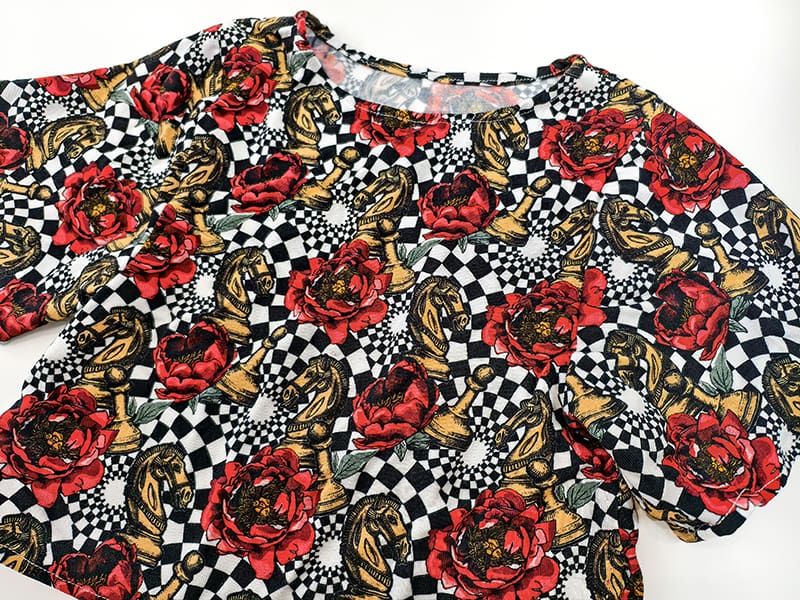
Digital reactive printing has become a popular choice for bamboo-based fabrics, especially for small-batch production and personalized designs. Using industrial inkjet technology, it prints designs directly onto the fabric, allowing for complex patterns and a wide range of colors without the setup required by traditional methods. Bamboo’s smooth surface supports even dye distribution, helping produce sharp and clear images. For larger production volumes, however, rotary screen printing remains the more common industry choice — digital printing excels where flexibility and customization matter most, not necessarily in volume or cost.
| Factor | Bamboo Fabric Printing |
| Softness | Excellent hand feel after printing |
| Color Performance | Very good with reactive dyes |
| Best Printing Method | Reactive printing / Digital reactive printing |
| Suitable Designs | Floral, botanical, kids, lifestyle patterns |
| Consideration | Requires proper pre-treatment and washing process |
Heat Transfer Printing Precautions and Limitations
Sublimation Printing Limitations for Bamboo Fabric
Sublimation heat transfer printing is generally not recommended for bamboo-based fabrics.The core issue is not heat sensitivity, but ink chemistry: most sublimation inks rely on disperse dyes designed specifically for polyester fibers, making them incompatible with bamboo’s cellulose structure. Reactive or pigment-based printing methods are far more suitable.
Comparing Bamboo with Other Natural Fibers
Bamboo rayon — the most common commercial form of bamboo fabric — differs from traditional natural fibers like cotton and linen in how it is produced and how it performs. Cotton offers reliable absorbency and a classic hand, linen brings texture and breathability, while bamboo-based fabrics stand out for their softness, smooth surface, and moisture management. Each is suited to different design goals rather than one being universally superior.
What Is the Best Printing Method for Bamboo Fabric?
For bamboo-based fabrics, reactive dye printing is usually the preferred method because it provides excellent color depth, soft hand feel, and good wash durability. Pigment printing can be used when simpler processing is required, while sublimation printing is generally unsuitable for 100% bamboo-based fabrics.
FAQ
Can printed bamboo fiber fabric be machine washed?
Yes, printed bamboo fiber fabric can be machine washed. Please use cold water and a gentle cycle. Air drying helps maintain the vibrancy of the print and the softness of the fabric.
Will bamboo fiber fabric shrink after printing?
Bamboo fabric may experience slight shrinkage after washing, depending on fiber composition and the finishing process. Shrinkage control comes from multiple stages in the production workflow — fabric pre-treatment, drying, heat setting, and pre-shrinking treatments — rather than a single step. Professional finishing that includes proper pre-shrinking can help minimize dimensional changes.
Is printed bamboo fiber fabric safe for sensitive skin?
Printed bamboo fabric can be suitable for sensitive skin when the right conditions are met. Safety depends on ink certification, chemical compliance, and the washing process — not simply on using water-based inks. Certified dyes and inks, combined with proper post-print washing to remove residual chemicals, are what ultimately determine whether the finished fabric meets safety standards for sensitive skin use.
Does bamboo fabric print brighter than polyester?
No. Polyester sublimation printing typically yields significantly higher color brightness and saturation. Bamboo fabrics, by contrast, produce softer, more muted color effects due to their cellulose-based fiber structure and matte surface.
Is bamboo fabric good for baby clothing?
Yes. Bamboo-based fabrics are widely used for baby clothing because of their softness and moisture absorption. Printing quality depends on the dye system and finishing process.