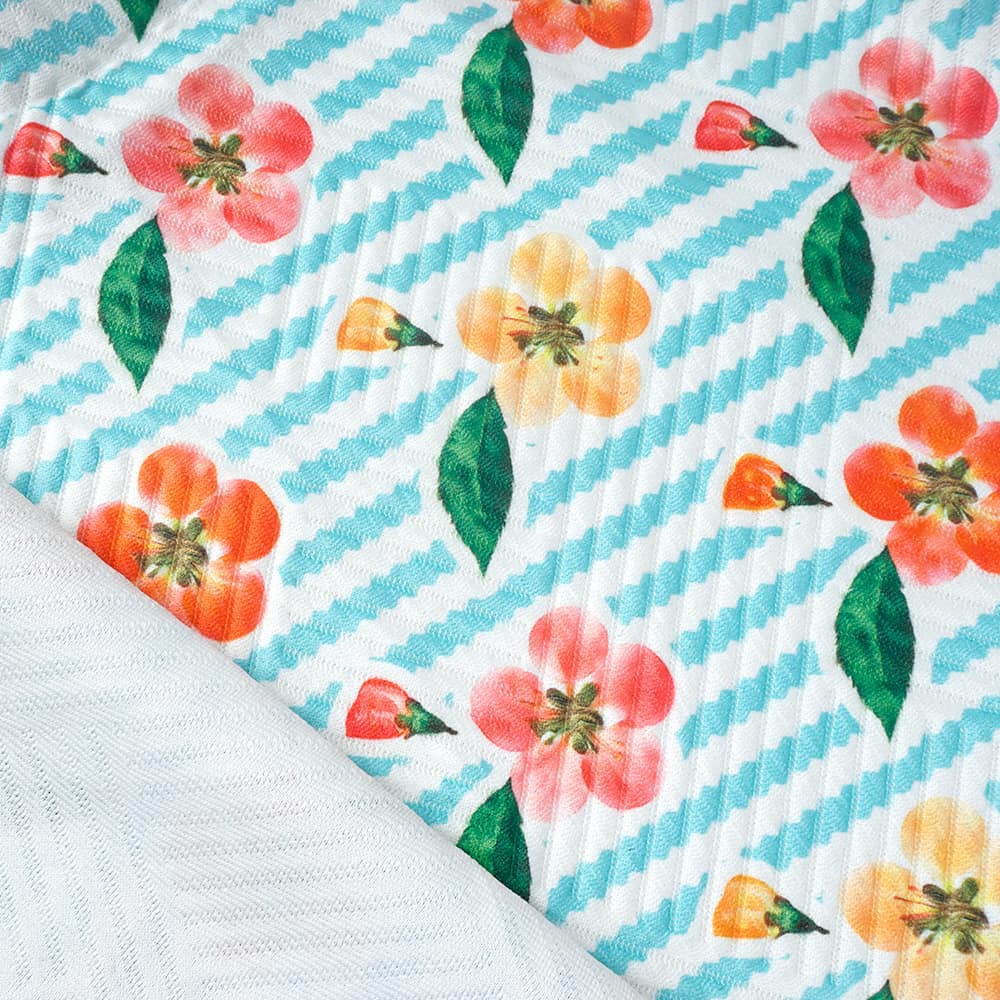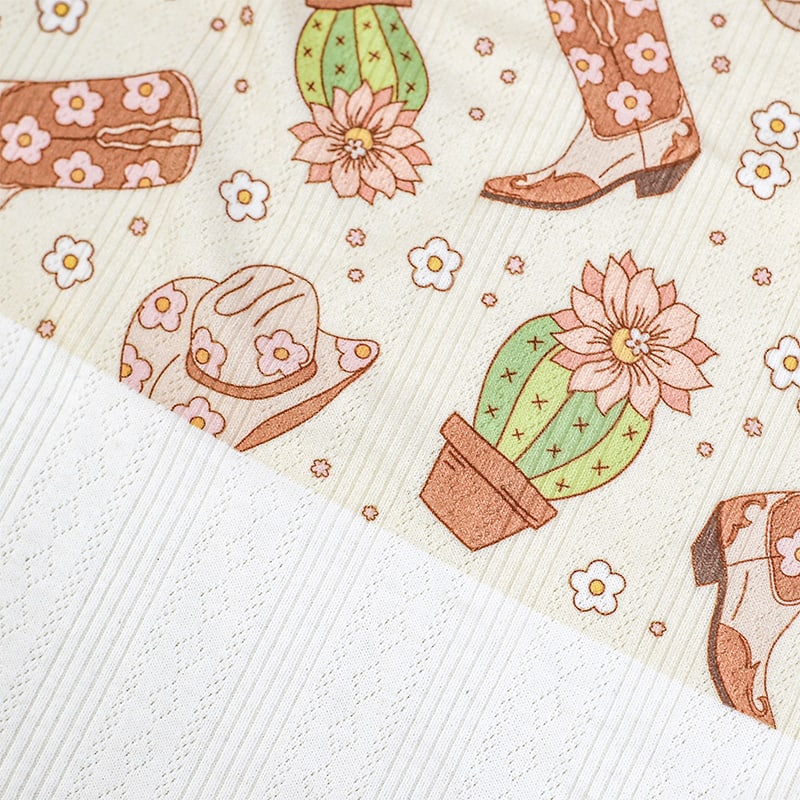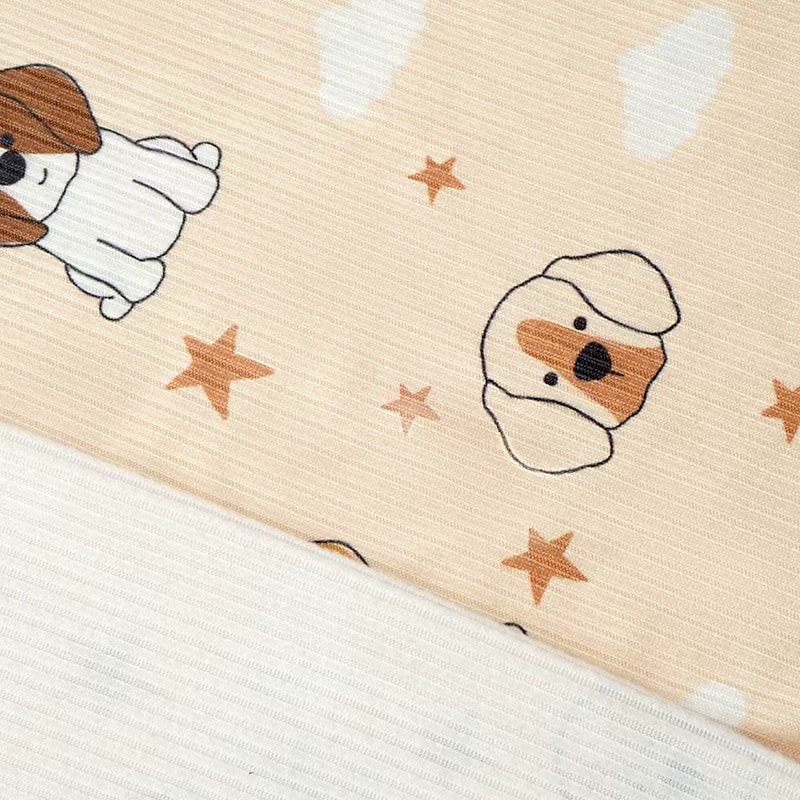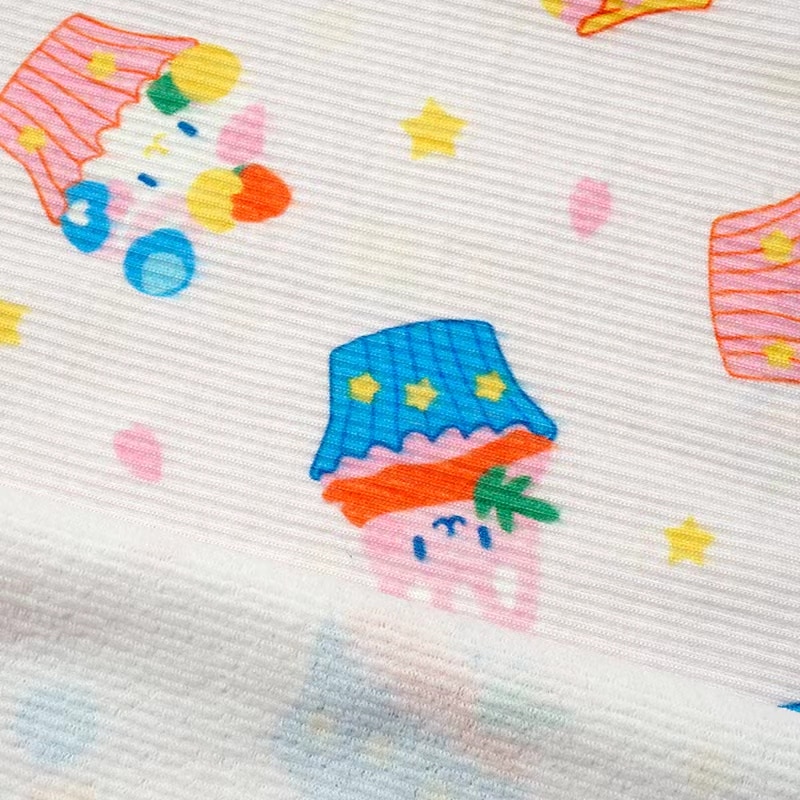
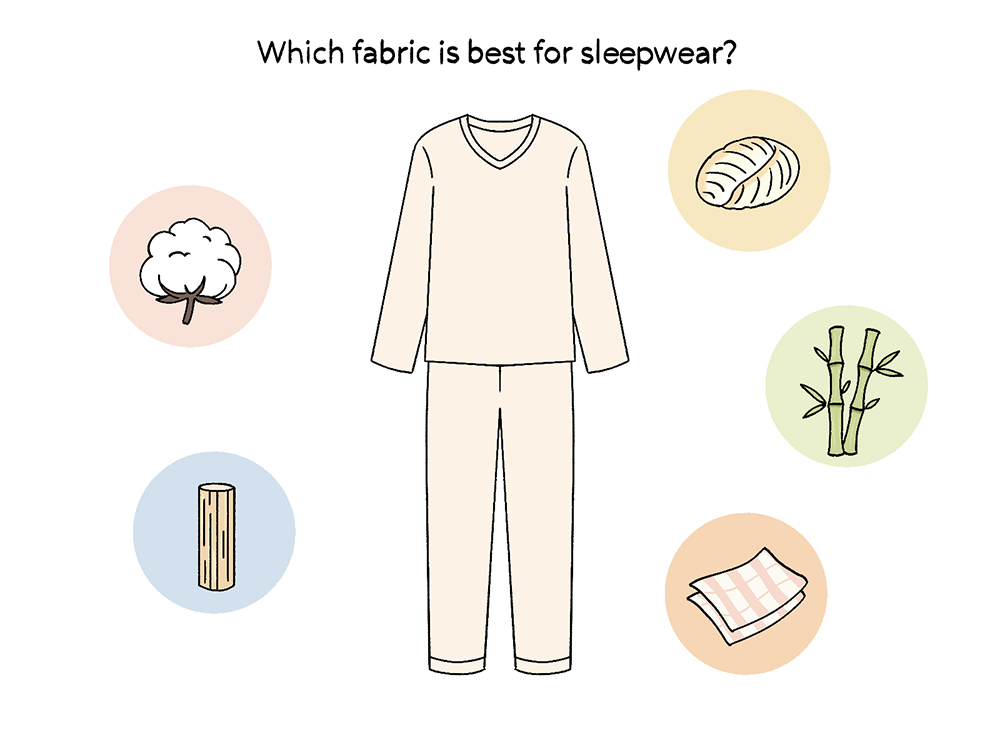
Cotton, silk, bamboo fiber, and modal are all worth considering when choosing fabric for sleepwear. Each has its own characteristics, from softness and breathability to moisture absorption and drape. If you’re looking for homewear printed fabrics,think about how you want your pajamas to feel and when you plan to wear them.
Key Takeaways
- Cotton printed fabric is soft and generally breathable, with good moisture absorption. However, it can retain sweat and may feel damp during heavy sweating. Its comfort also depends on the fabric construction and finishing.
- Silk: Smooth, lightweight, and naturally draped. Its smooth surface can help reduce friction against the skin, while its warmth depends on the fabric’s weight and weave.
- Bamboo fiber fabric is soft and smooth, with good moisture absorption. Doris’s bamboo fabric contains 95% bamboo fiber and 5% spandex and is available in 210 GSM and 250 GSM options.
l For colder weather, flannel, velvet, minky, and dralon are cozy options for sleepwear.
Best Fabric for Sleepwear: Top Choices
Cotton Fabric
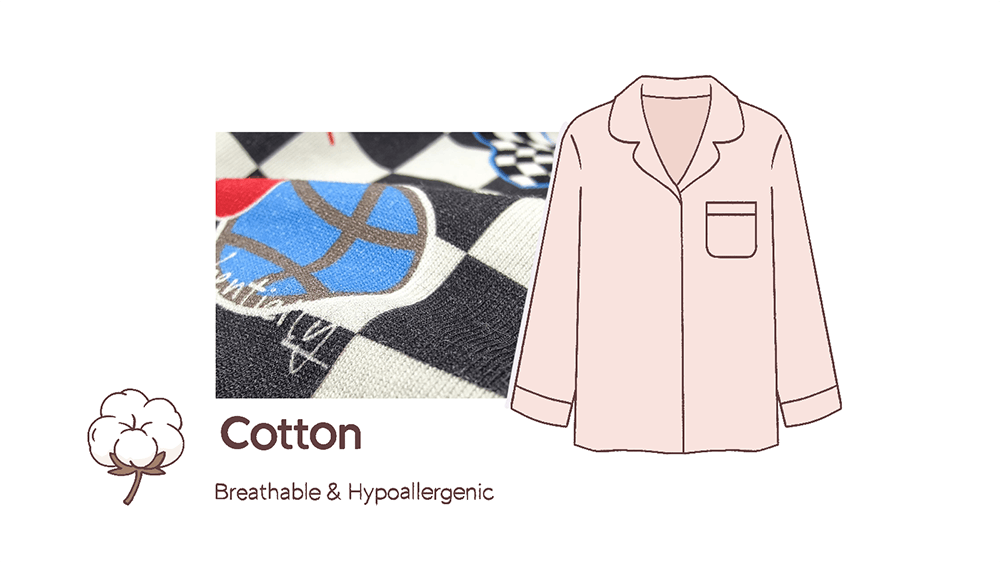
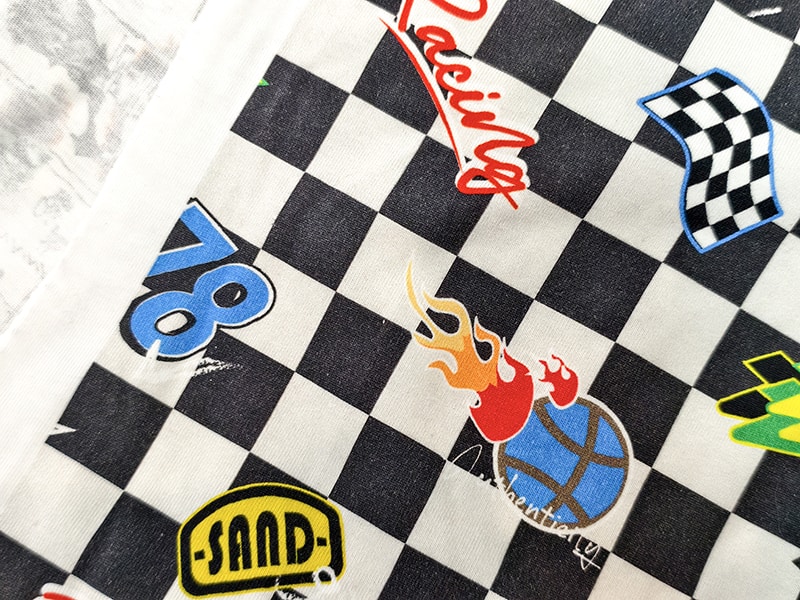
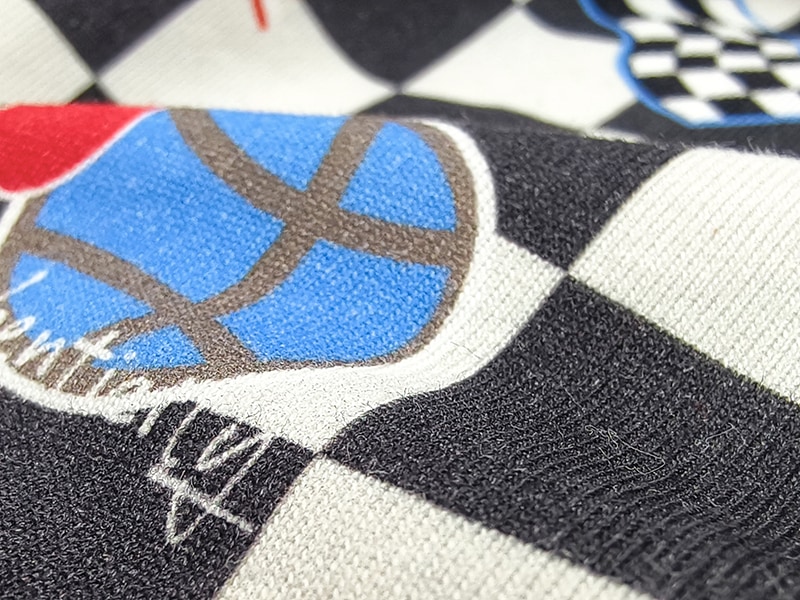
Cotton is widely used for pajamas because it feels soft against the skin and allows air to circulate. It naturally absorbs moisture, which can make it comfortable for everyday sleepwear. However, cotton can retain moisture and may feel damp when you sweat heavily.Although cotton often feels comfortable against the skin, it is not necessarily hypoallergenic. Skin reactions can also depend on the dyes, finishing treatments, detergents, and individual sensitivities. Its overall comfort and performance also vary with fabric weight, weave or knit structure, and finishing.
| Fabric Type | Breathability | Moisture Management |
| Cotton | Generally breathable | Absorbs moisture but may feel damp when it retains sweat. |
| bamboo fiber | Depends on fabric construction | Often absorbs moisture well and has a soft, smooth feel |
| Silk | Depends on fabric construction | Absorbs some moisture but does not necessarily wick sweat away from the skin. |
Silk Fabric
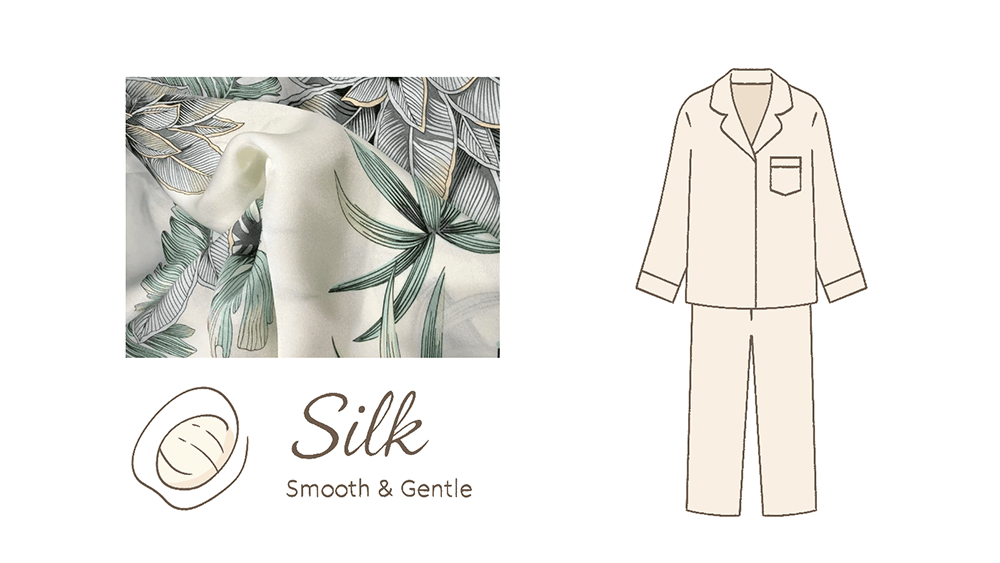
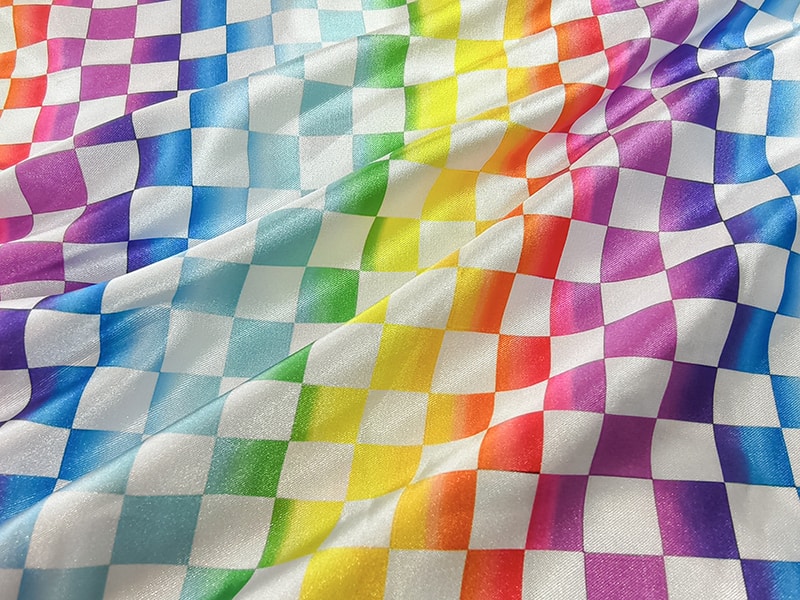
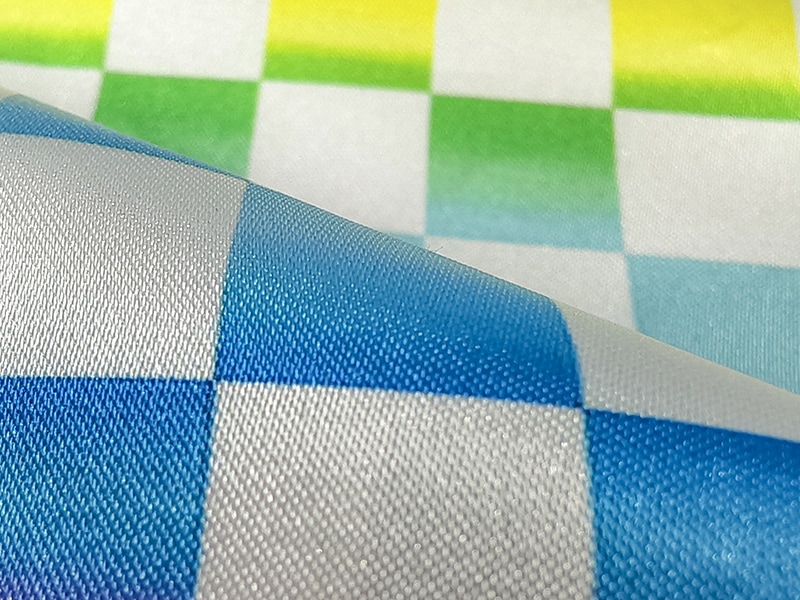
Silk is another option for sleepwear, with a smooth surface, a lightweight feel, and a natural drape. Its smooth texture can feel comfortable against the skin and may help reduce friction. How warm or cool silk feels depends on its weight, weave, and the temperature around you. Silk can absorb some moisture, but it does not necessarily wick sweat away from the skin, especially when you sweat heavily. Although silk’s smooth surface may appeal to people who prefer less friction, it is not guaranteed to suit everyone with sensitive skin.
Bamboo Fiber Fabric
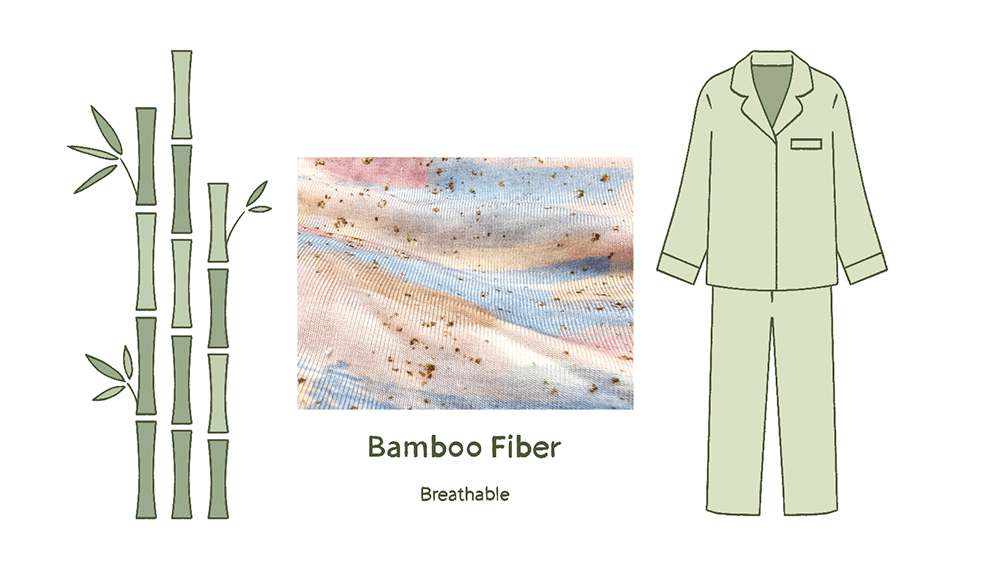
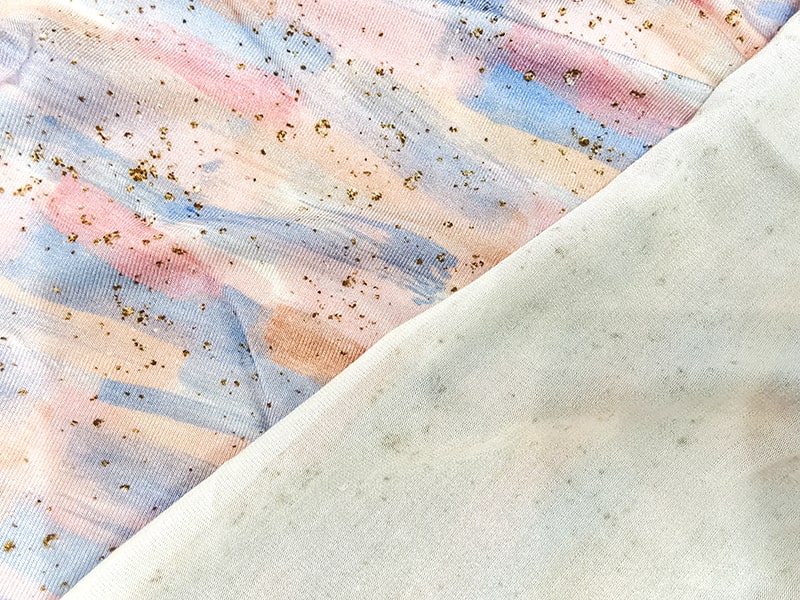
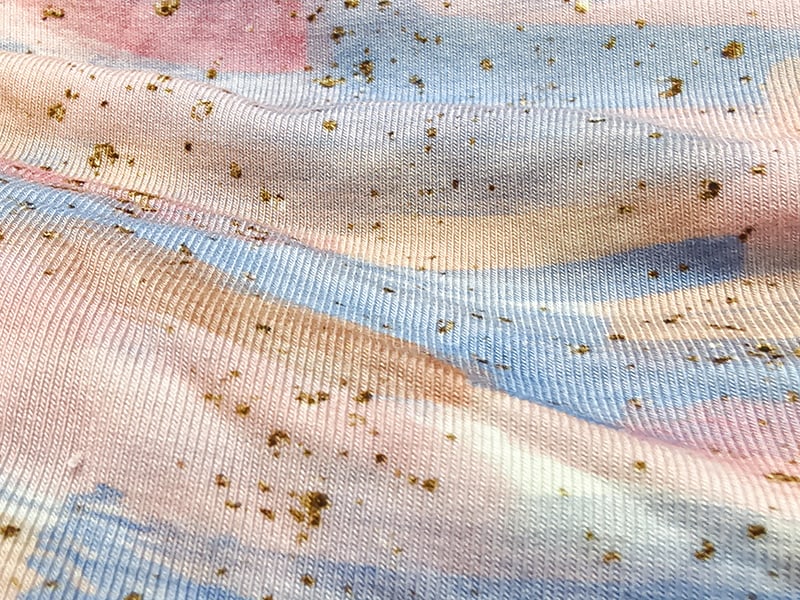
Bamboo fiber fabric works well for sleepwear because it feels soft and drapes comfortably. Doris’s bamboo fiber fabric is made of 95% bamboo fiber and 5% spandex.The fabric feels soft and smooth, while the 5% spandex adds stretch. Its moisture absorption and comfortable drape make it suitable for pajamas, lounge sets, and other relaxed homewear.How breathable it feels also depends on the fabric’s construction and the conditions in which it is worn. It is available in 210 GSM and 250 GSM, giving you two weight options to choose from.
Modal and TENCEL™ Lyocell
Modal and Lyocell are two types of regenerated cellulose fibers commonly used in sleepwear. Both have a soft, smooth feel that works well for comfortable sleepwear.
Modal: Modal has a soft, smooth feel and a fluid drape, which makes it a common choice for pajamas and loungewear. How well it holds its shape after washing depends on the fabric construction and care. Its breathability and durability can also vary from one fabric to another.
Lyocell: Lyocell has a smooth surface and a soft feel, and it can absorb moisture. These qualities make it suitable for sleepwear and everyday clothing. How it feels and handles moisture depends on the fabric’s weight, construction, and finishing.
Flannel Fabric
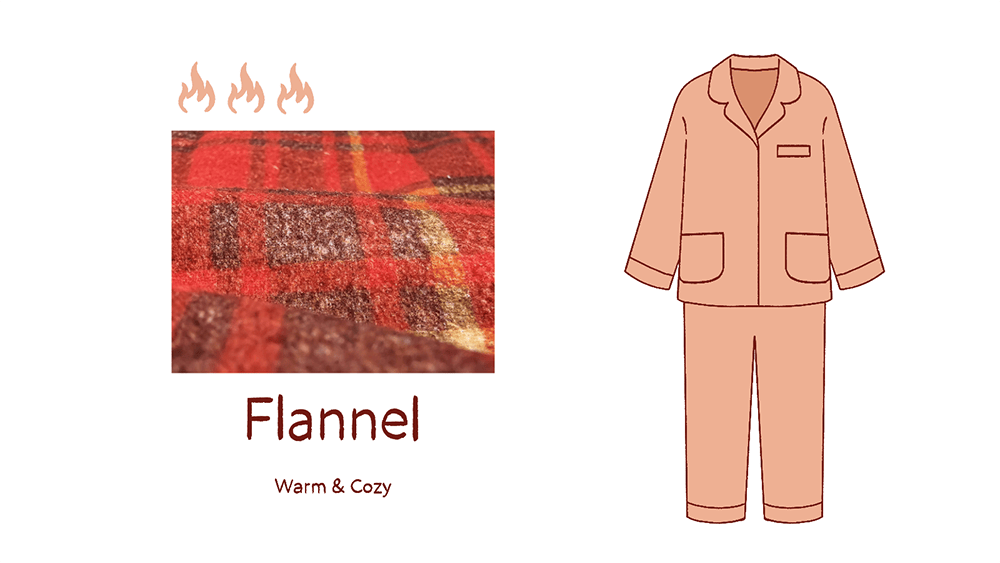
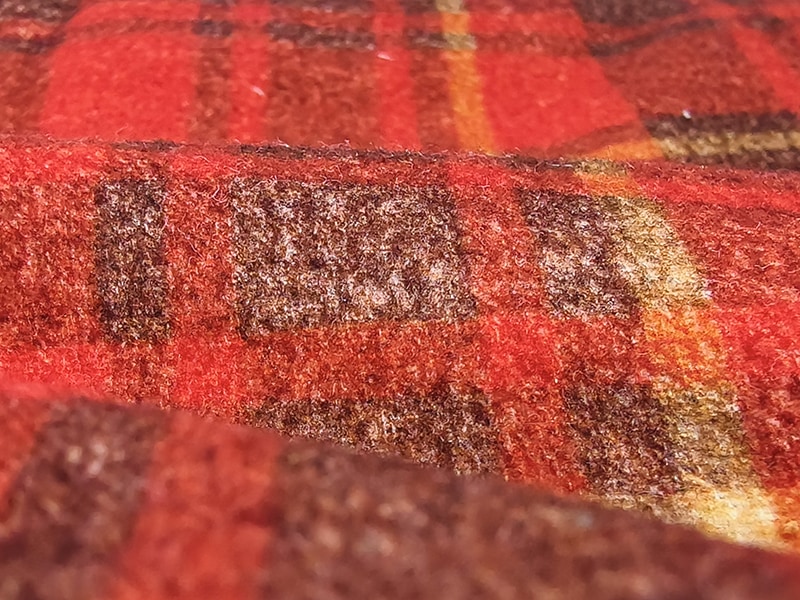
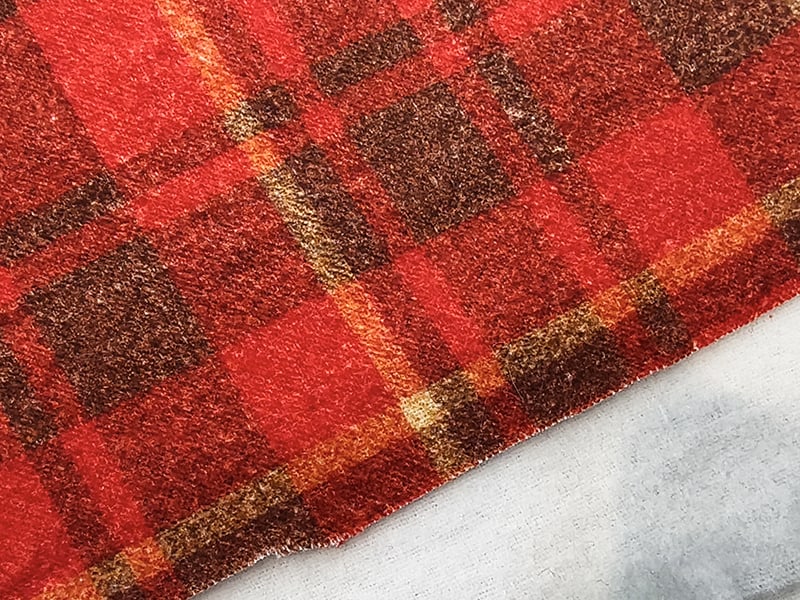
Flannel is often used for winter pajamas because of its soft, brushed or napped surface. It can be made from cotton, wool, synthetic fibers, or blends, with the feel and performance varying according to the fiber content. The raised surface helps trap air, giving flannel its cozy feel and added warmth. Its softness, breathability, and insulation vary with the fabric’s fiber composition, weight, weave, and finishing process. It works well for cooler weather, especially if you prefer sleepwear with a soft, cozy feel.
Velvet Fabric
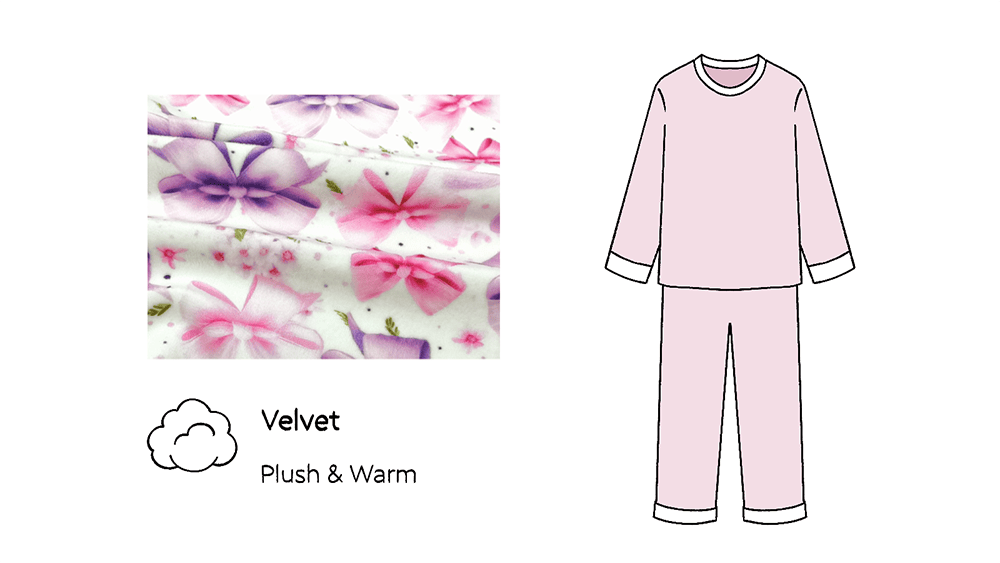
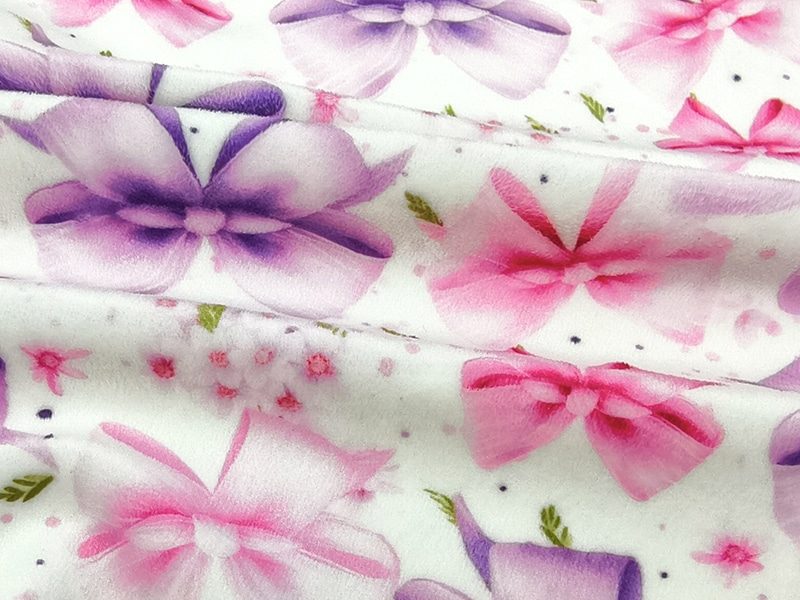
Velvet has a short, dense pile that gives the fabric a smooth surface and a soft, plush feel. It can be made from polyester, cotton, silk, or blended fibers, and the fiber content affects its feel, drape, and overall performance. Its plush surface gives it a cozy feel, which can work well for sleepwear and loungewear in cooler weather. Its softness, warmth, and drape depend on the fiber content, fabric weight, and construction. When choosing velvet for pajamas, pay attention to its weight, thickness, and how it feels against your skin.
Minky Fabric
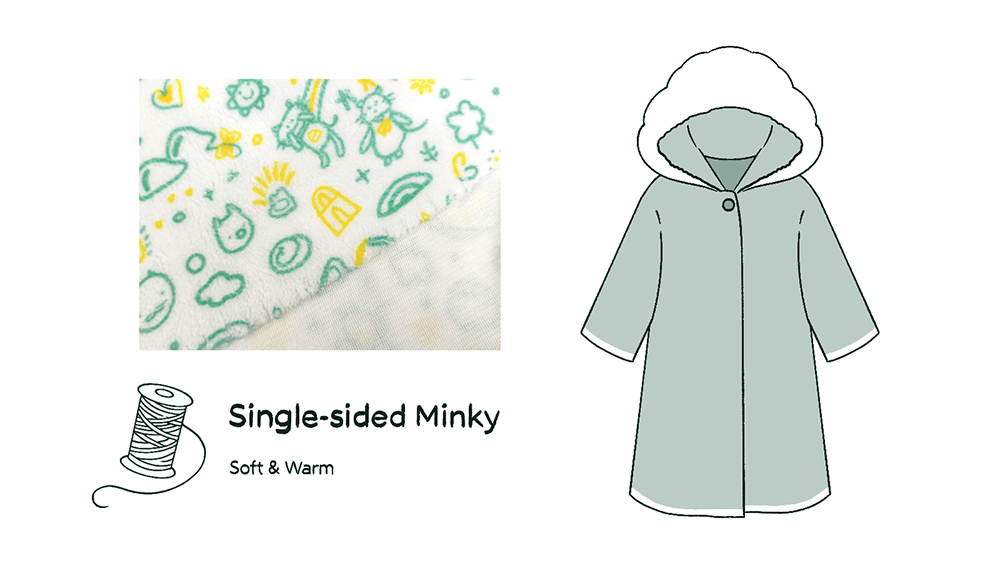
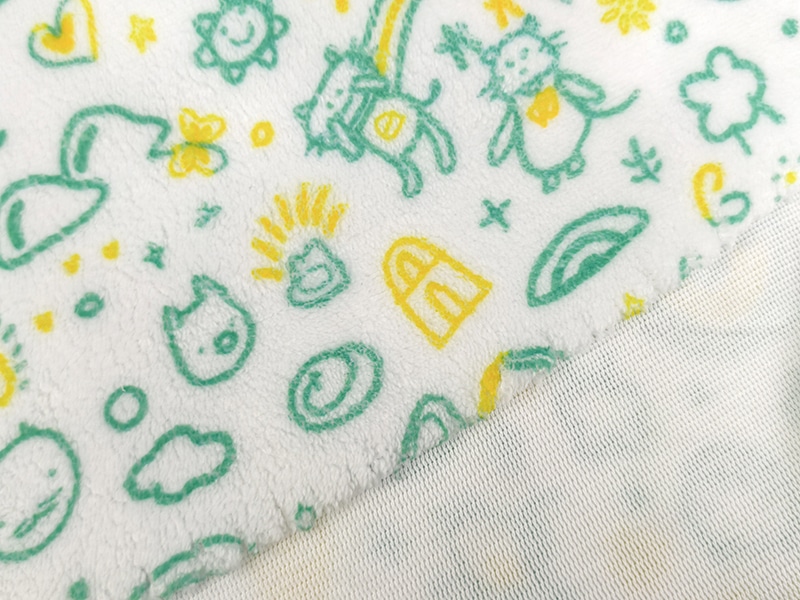
Minky is a plush fabric with a very soft, fuzzy surface and a cozy feel. It is usually made from polyester, with a raised pile that gives it a plush texture. It is commonly used for blankets, robes, and cozy loungewear, especially in colder weather. Its warmth and overall feel depend on the fabric’s weight, pile length, and construction. However, its plush texture may feel too warm for people who tend to overheat during sleep.
Dralon Fabric
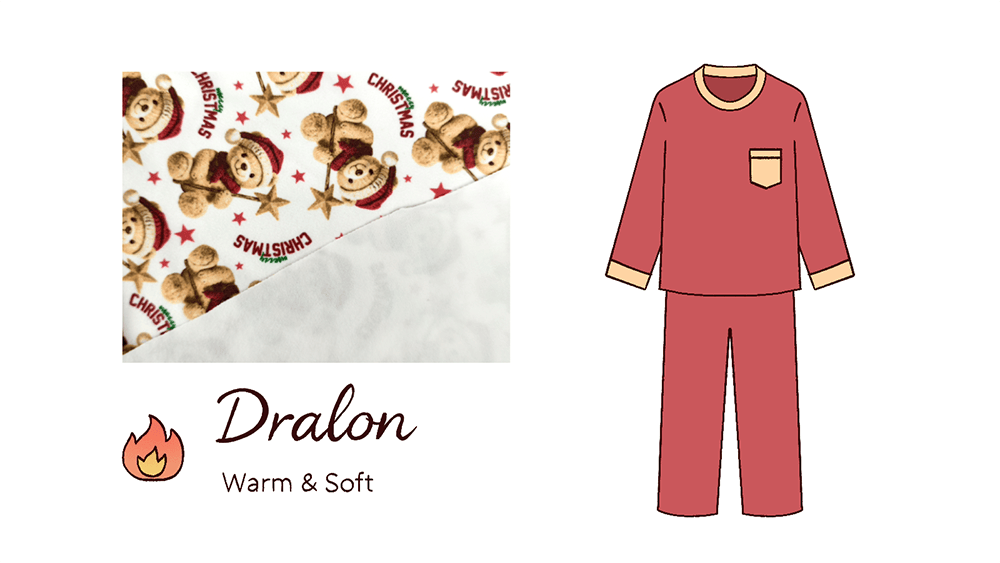
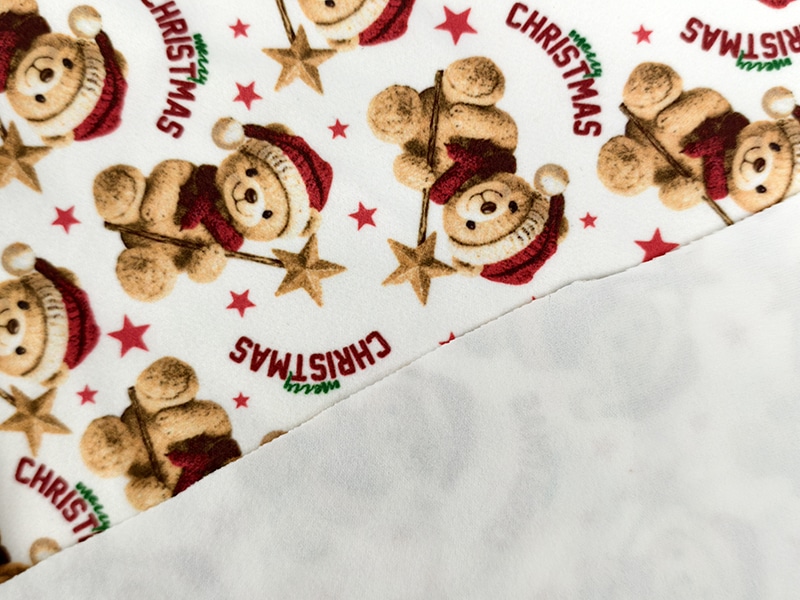
Doris’s Dralon fabric has a brushed surface and a soft, warm feel. It contains 94% polyester and 6% spandex, with a weight of 280 GSM (±5%). The brushed surface gives it a cozy feel, while the spandex adds stretch and flexibility. It can be used for pajamas, loungewear, and other comfortable homewear. Because of its weight and brushed texture, it may feel too warm for people who prefer lightweight sleepwear or tend to overheat at night.
Pros and Cons of Each Fabric
Cotton Pajamas: Advantages and Disadvantages
Cotton is often used for pajamas because it feels soft and allows air to circulate. It also absorbs moisture, although the fabric may feel damp when it retains sweat. The table below outlines the main advantages and disadvantages of cotton pajamas.
| Advantages of Cotton for Sleepwear | Disadvantages of Cotton for Sleepwear |
| Breathability: Allows air to circulate, helping you feel comfortable in warm conditions. | Shrinkage: Some cotton fabrics may shrink, especially when washed or dried at high temperatures. |
| Comfort: Often feels soft and comfortable against the skin. | Wrinkling: Cotton can wrinkle more easily than some synthetic fabrics. |
| Moisture Absorption: Absorbs moisture from the skin. | Fading: Some colors may fade after repeated washing, depending on the dye and care method. |
| Natural Fiber: A good option for people who prefer natural fibers. | Pilling: Some cotton fabrics may develop small pills after repeated friction and wear. |
Silk Fabric: Pros & Cons
Silk pajamas have a smooth surface, a lightweight feel, and a natural drape. Some of the key characteristics of silk include:
- Smooth Surface: Silk’s smooth surface can help reduce friction against the skin.
- Warmth and Breathability: These depend on the silk fabric’s weight, weave, and construction.
Bamboo Fabric: Pros & Cons
Doris’s bamboo fabric has a soft, smooth feel and added stretch. Here are some of its key benefits and considerations:
| Benefits | Drawbacks |
| Soft and smooth feel against the skin. | The 250 GSM option may feel warmer than the 210 GSM option. |
| 5% spandex adds stretch and flexibility. | Follow the care label to help maintain the fabric’s stretch and shape. |
| Available in 210 GSM and 250 GSM options. | The heavier option may not suit people who prefer very lightweight summer sleepwear. |
| Bamboo fiber absorbs moisture. | Moisture absorption does not necessarily mean fast drying or strong moisture-wicking performance. |
Modal & TENCEL™ Lyocell: Pros & Cons
Modal and Lyocell fabrics both have a soft feel and a smooth drape. Their actual performance depends on the fiber source, fabric construction, and finishing. The table below summarizes some common characteristics.
| Pros | Cons |
| Smooth and soft against the skin. | Some options may cost more than basic cotton fabrics. |
| Often drape well, making them suitable for sleepwear. | Pilling can occur depending on the fabric construction and wear. |
| Can absorb moisture, depending on the fabric construction. | Care instructions vary; some fabrics require gentler washing. |
| Some fabrics have a cool feel against the skin. | Fabric performance can vary between manufacturers and products. |
Flannel Fabric: Pros & Cons
Flannel pajamas work well for cold nights because their brushed surface gives them a soft, cozy feel. Here are some common advantages and considerations when choosing flannel sleepwear:
| Feature | Description |
| Warmth | The brushed surface traps air and helps retain warmth. |
| Softness | The napped surface gives flannel its soft, cozy feel. |
| Breathability | Breathability varies depending on the fiber content, fabric weight, and construction. |
| Easy to Care For | Many cotton flannel fabrics can be machine-washed, but always follow the care label. |
Velvet Fabric: Pros & Cons
| Advantages | Disadvantages |
| Its soft pile gives the fabric a smooth, plush feel. | Some heavier velvet fabrics may feel too warm for sleeping. |
| Can be used for sleepwear and loungewear when a soft, plush feel is preferred. | Care requirements vary depending on the fiber content and construction. |
Minky Fabric: Pros & Cons
| Advantages | Disadvantages |
| Its plush surface feels soft and comfortable against the skin. | May feel too warm for people who overheat at night. |
| Works well for robes, cozy loungewear, and sleepwear. | The plush surface may require extra care when washing. |
Dralon Fabric: Pros & Cons
Doris’s Dralon fabric has a brushed surface and a soft, warm feel, while the 6% spandex adds stretch.Here are some points to consider when choosing it for sleepwear:
| Advantages | Disadvantages |
| The brushed surface gives the fabric a soft, cozy feel. | Its 280 GSM weight may feel too warm for people who prefer lightweight sleepwear. |
| 6% spandex adds stretch and flexibility. | The brushed surface may require appropriate care when washing. |
| Its 280 GSM weight gives it a substantial feel for cozy sleepwear and loungewear. | Follow the care label to help maintain the fabric’s surface and stretch. |
Choosing Your Best Fabric
Climate and Season
When choosing pajamas, think about the season, room temperature, and fabric weight. Lightweight cotton allows air to circulate and absorbs moisture, which can make it comfortable on warm nights. However, it may feel damp when it holds onto sweat. Linen and bamboo fiber are also options for warmer weather, although their comfort depends on the fabric’s weight and construction. Silk has a smooth, lightweight feel, while its warmth and breathability vary with its weight and weave.
For colder weather, you can consider flannel, velvet, minky, Dralon, fleece, and Merino wool. These fabrics offer different levels of warmth and softness depending on their fiber content, weight, and construction. Some have brushed or plush surfaces that create a cozy feel, while others provide warmth through their fabric structure. The best choice depends on your sleeping environment and the feel you prefer.
Sensitive Skin
If you have sensitive skin, look for fabrics with a soft feel and a smooth surface. Bamboo fiber, silk, Lyocell, and cotton are all worth considering, but how they feel against your skin can vary from person to person. A smoother fabric surface may help reduce friction during wear, although it does not guarantee that the fabric will suit everyone. Dyes, finishing treatments, and washing methods can also affect how a fabric feels against your skin. The table below compares some characteristics of these fabrics to help you make a choice based on your comfort preferences.
| Fabric | Characteristics | Common Uses |
| Bamboo fiber | Soft, smooth feel and moisture absorption | Pajamas, bedding |
| Silk | Smooth surface that may help reduce friction | Pajamas, sheets |
| Lyocell | Soft feel and moisture absorption | Pajamas, bedding |
| Cotton | Generally breathable and absorbs moisture | Pajamas, bedding |
Personalized Style & Customization
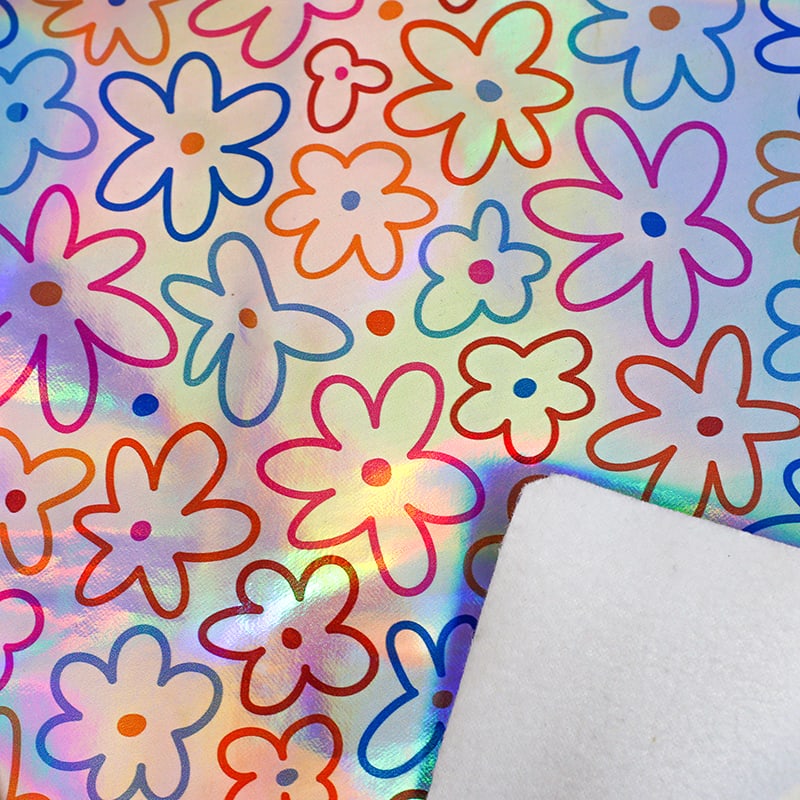
Pajamas are not just about comfort. The colors and prints you choose can also reflect your personal style. With custom printing, you can choose patterns that suit your taste, whether you prefer simple designs or something more playful and eye-catching.
The fabric base matters just as much as the print. Cotton, flannel, and bamboo-derived fabrics have different textures, weights, and drapes, so think about how you want your finished pajamas to look and feel before choosing.
At Doris, you can explore our homewear printed fabric to find a print for your next sleepwear project. Browse our Cotton printed fabric for a soft fabric base with good breathability, or explore our Bamboo fiber fabric for a smooth feel and added stretch.
FAQ
What fabric is best for pajamas for people with allergies?
There is no single fabric that works for everyone with allergies or sensitive skin. Cotton, silk, bamboo fiber, and Lyocell each have different textures and characteristics, so the best choice depends on your individual needs. Fabrics with a soft, smooth surface may feel more comfortable against the skin, but no material can guarantee that it will not cause irritation or an allergic reaction. Dyes, finishing treatments, detergents, and individual sensitivities can also affect how a fabric feels against the skin. If you have a known allergy, check the fabric composition and care information before choosing sleepwear.
How should pajamas be cared for?
Always check the care label before washing your pajamas. Washing requirements vary depending on the fiber content, fabric construction, and finishing. Some cotton and bamboo fiber pajamas can be machine-washed on a gentle cycle, while silk and certain Modal or Lyocell garments may need more delicate care. Following the care instructions will help keep your pajamas in good condition.
Which fabric is best for winter pajamas?
Flannel works well for winter pajamas because its brushed surface gives it a soft, cozy feel and helps retain warmth. Velvet, minky, and Dralon are also options for colder weather, each offering a different texture and level of warmth. Fleece and Merino wool can provide additional insulation, depending on their weight and construction. The right choice depends on how warm you want your pajamas to feel, the texture you prefer, and your sleeping environment.
What should I look for when choosing fabric for pajamas?
Consider softness, breathability, fabric weight, stretch, and the temperature in which you’ll be wearing the pajamas. The best fabric depends on your preferred fit, sleeping environment, and personal comfort.
What fabric is best for pajamas if I sweat at night?
Look for fabrics with good moisture absorption and breathability. Cotton absorbs moisture, while other fabrics have different moisture-management properties depending on their fiber content and construction. Keep in mind that absorbing sweat and drying quickly are not the same thing.