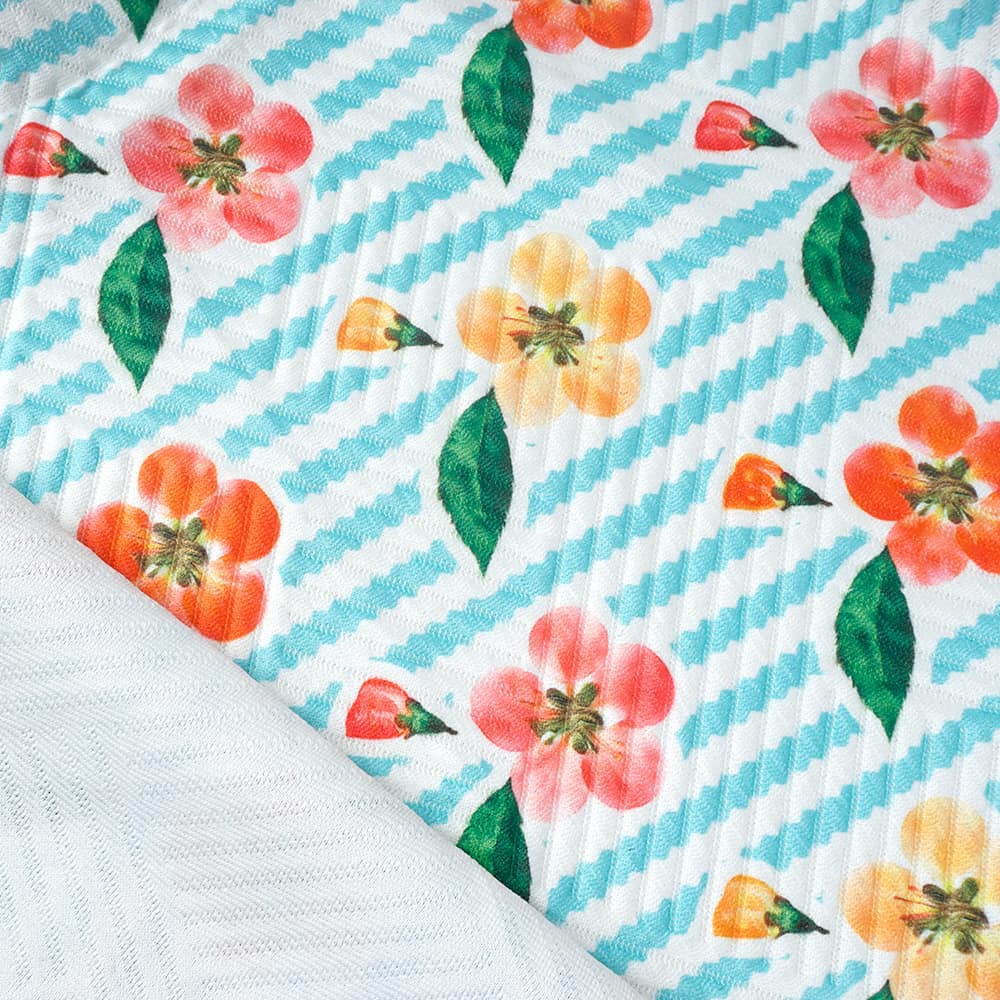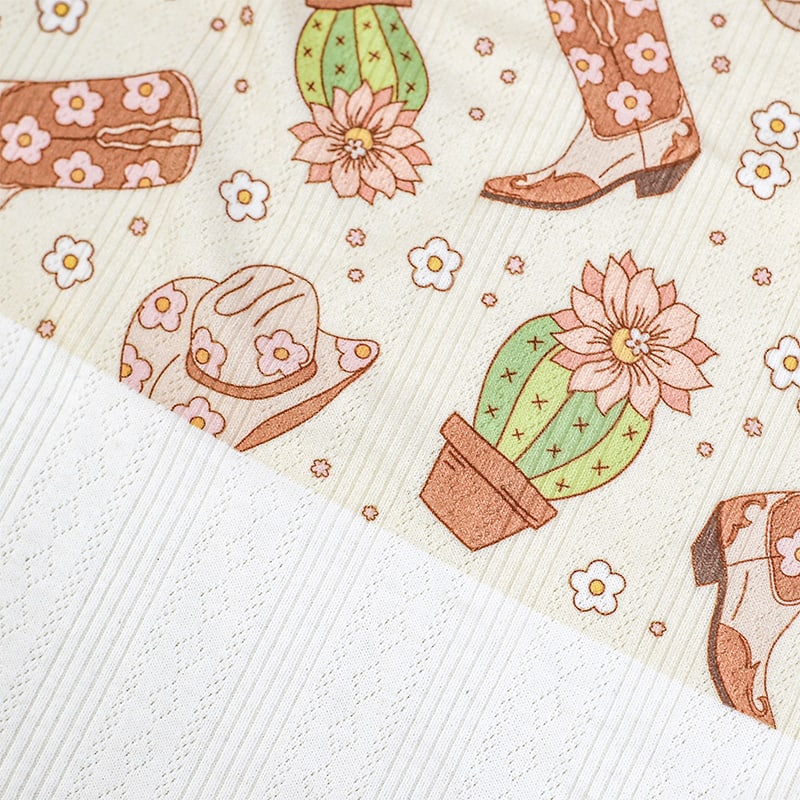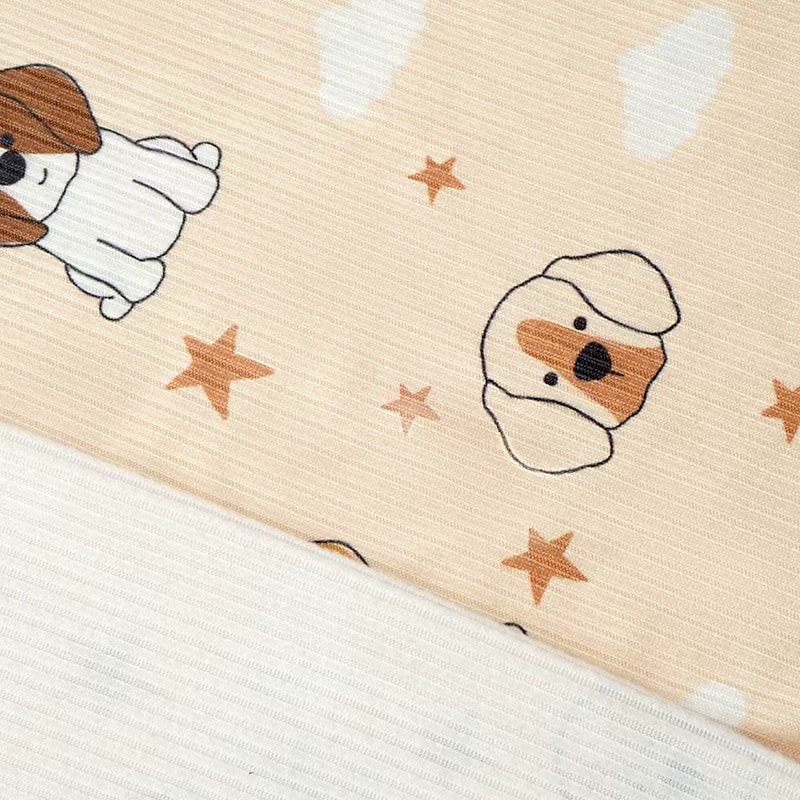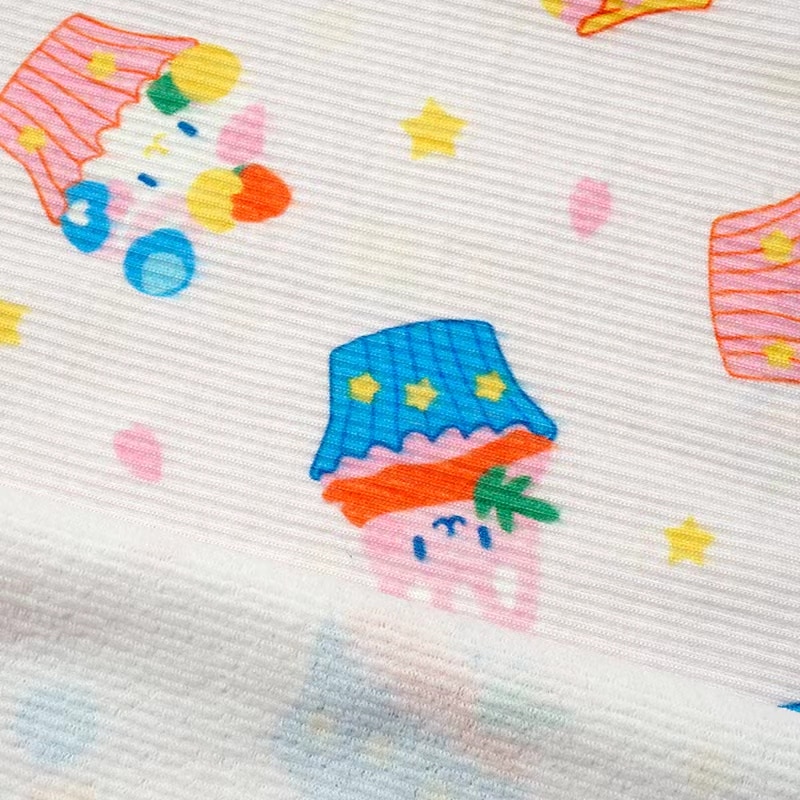
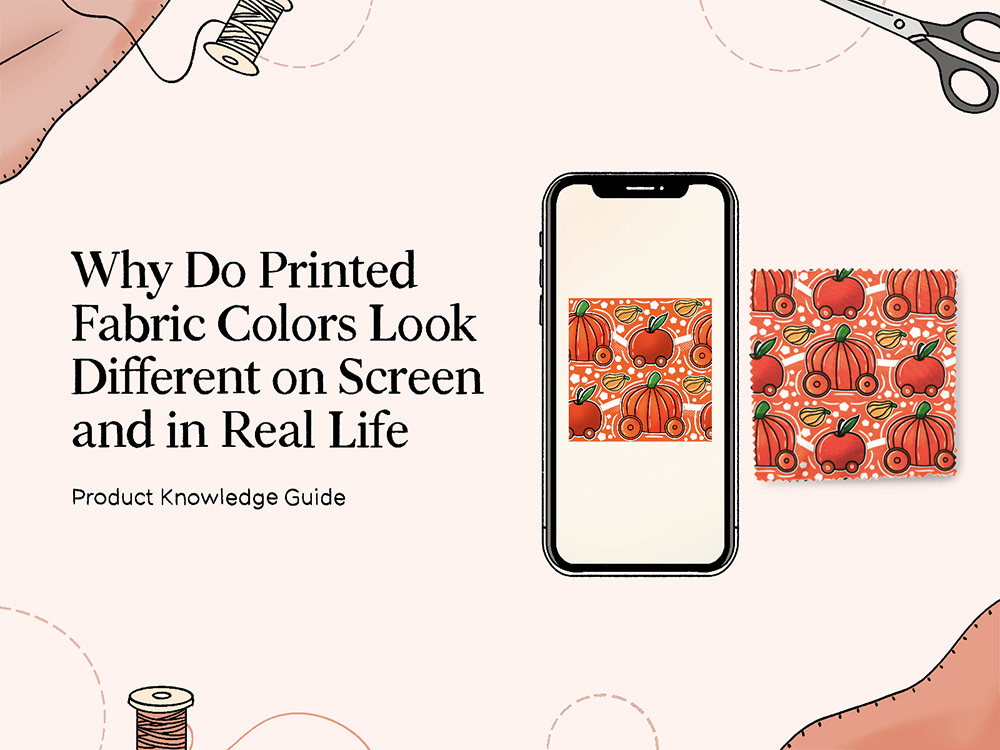
Have you ever ordered a printed fabric online, only to find that its colors look a little different when it arrives? Maybe the pink looks softer, the blue seems darker, or the whole pattern looks less bright than it did on your phone.
Don’t worry! This is quite common when shopping for fabric online.
But why does it happen? Is it your screen, the fabric, or the printing process? The answer is usually a combination of these things.
Let’s take a closer look at why printed fabric colors can look different on screen and in real life, and what you can do before placing an order.
Your Screen Makes Colors Shine, but Fabric Doesn't
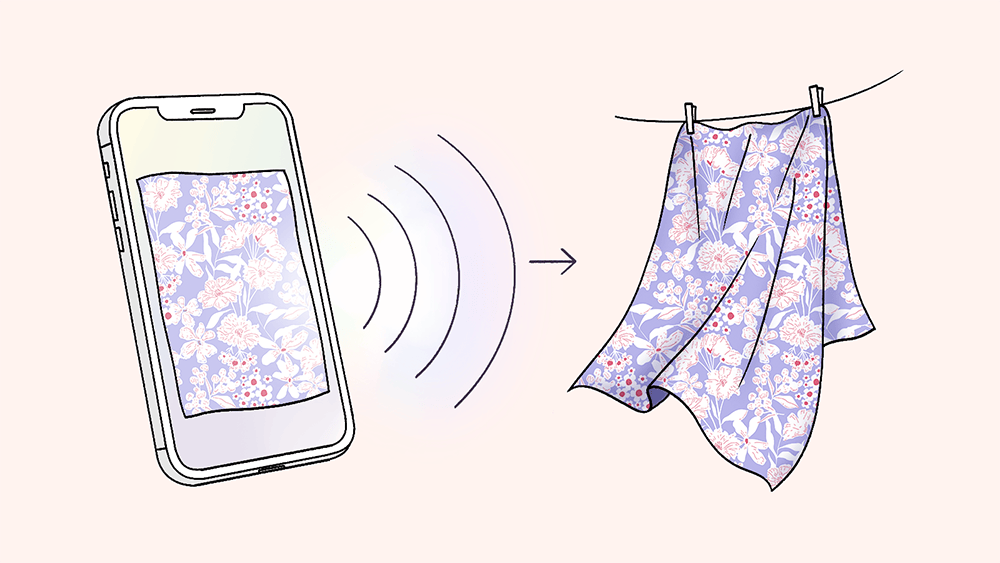
Think about looking at a picture on your phone. The screen lights up from within, making colors look bright and vivid. It’s a little like looking at a picture with a light shining behind it.
Fabric works differently. It doesn’t produce its own light. Instead, it reflects the light around it, just like a painted wall or a piece of paper.
That’s why a bright red on your phone may not look exactly the same on actual fabric.The screen is glowing, while the fabric is simply reflecting light.
Every Screen Shows Colors a Little Differently
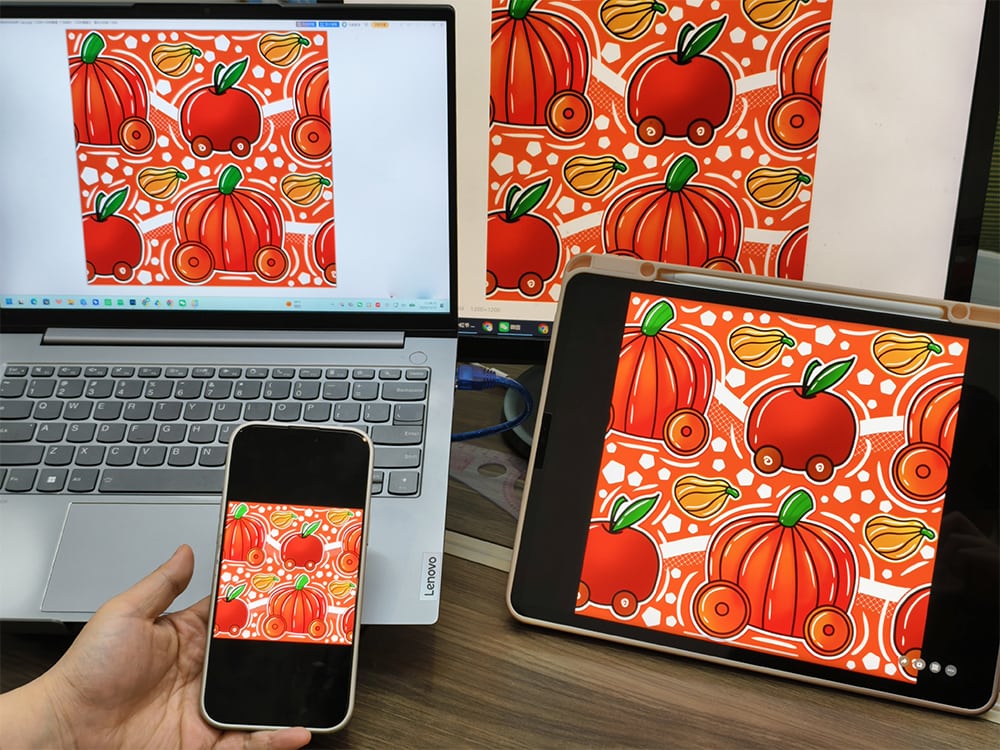
Have you ever sent a photo to a friend and noticed that it looks different on their phone? That’s because not all screens display colors in exactly the same way.
A few things can make a difference:
Brightness: A screen set to high brightness can make an image appear brighter, while different display settings may also affect how vivid the colors look.
Display settings: Night mode and blue-light filters can make colors look warmer or more yellow.
Different devices: A phone, tablet, and computer may all show the same picture a little differently.
It’s a bit like looking at the same painting under different lights. The painting hasn’t changed, but your eyes see it differently.
Tip: When browsing fabrics, try turning off Night Shift or other color filters and keep your screen brightness at a comfortable, moderate level.
The Fabric Itself Can Change How Colors Look
Imagine painting the same color on two different surfaces: a smooth white sheet of paper and a rough piece of cardboard. Would they look exactly the same? Probably not.
Fabric works in a similar way.
Different fabrics have different textures, thicknesses, and base colors. These can all affect how a printed design looks.
For example:
A smooth fabric may show small pattern details more clearly, while a textured surface can change how light reflects from the printed design.
A white fabric base may also show colors differently from an off-white base, especially when the printed design contains light or pale shades.
So even when the same design is used, the final appearance may vary depending on the fabric.
Lighting Can Change the Way You See Fabric Colors
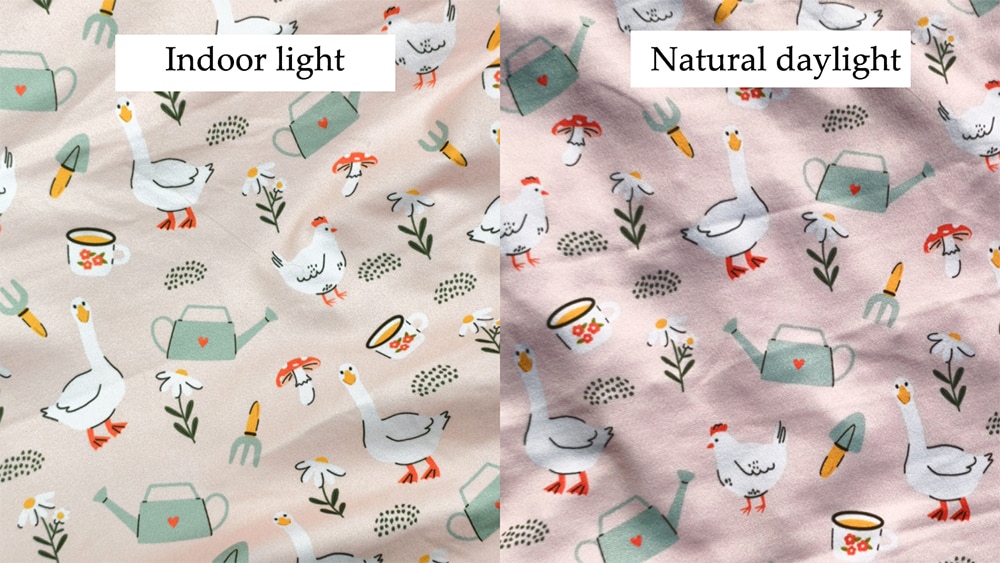
Here’s a simple experiment: Take a piece of fabric and look at it near a sunny window. Then take it into a room with warm yellow lighting.
Does it look the same? Maybe not!
Daylight can give you a useful reference when checking fabric colors, but its appearance may still change depending on the time of day and weather. Indoor lighting can also make the same fabric look warmer or cooler. Warm lights can make colors appear more yellow or orange, while cooler lights can make them look slightly bluer.
This is why a fabric may look one way in your sewing room and another way near a window.
Tip: If you want to get a better idea of a fabric’s color, try viewing it in natural daylight rather than relying on just one indoor light source.
How Does DORIS Help You Choose the Color You Like?
Different fabrics don’t always reproduce colors in the same way. At DORIS, we adjust our printing settings according to the fabric to help achieve the desired color appearance. We make adjustments based on the characteristics of each fabric to get colors as close to the original design as possible.
Polyester Fabrics:Two Preset Printing Curves
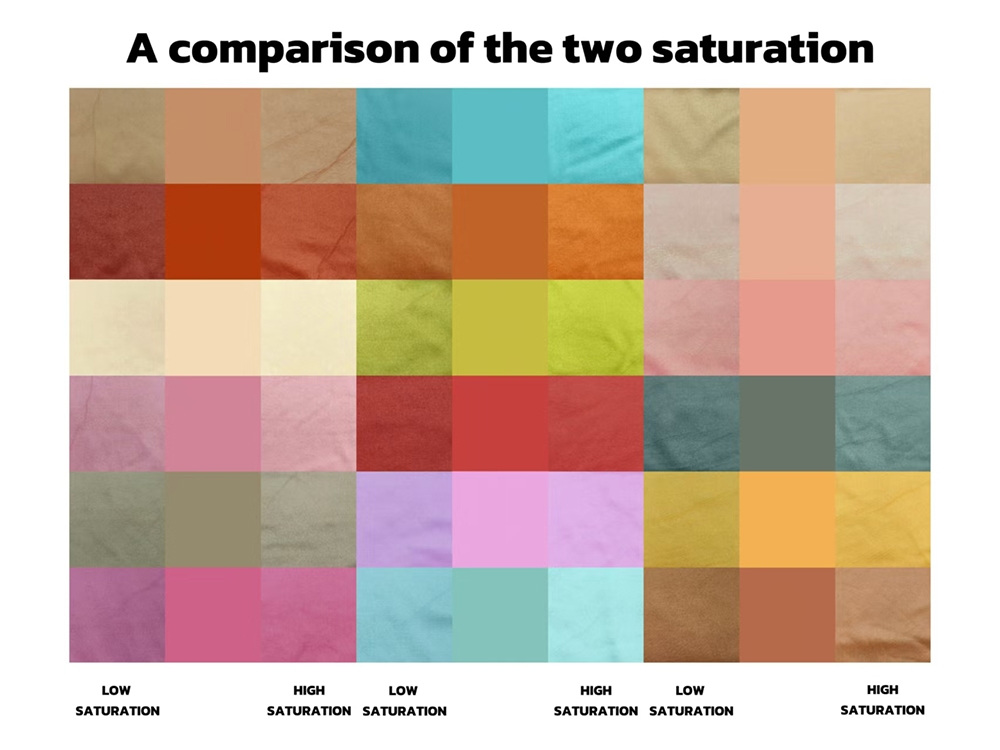
For our polyester fabrics, we use two preset printing curves: Low Saturation and High Saturation. Each curve produces a different color effect, giving you more flexibility when choosing the look you prefer.
Low Saturation
This option produces a softer color appearance, with less emphasis on color intensity. It’s a good choice if you prefer a more subtle and understated look.
High Saturation
This option produces brighter, more vivid colors, making the overall design look more vibrant. It’s a good choice if you prefer bold colors that stand out.
With these two options, you can choose the color effect that better matches your personal preference.
These options change the overall color effect of the printed design. Neither option is automatically more accurate; the better choice depends on the look you prefer.
Cotton and Bamboo Fabrics: Matching the Original Design
Our cotton and bamboo fabrics use reactive dye printing. For these materials, we focus on adjusting the printing colors to match the original design as closely as possible.
However, the final printed colors can still look slightly different from the digital design. The fabric’s base color, surface texture, and the way it absorbs dyes can all influence the finished appearance.
For example, the same shade may appear slightly different on two fabrics, even when the same design and printing method are used.
Our goal is to achieve a color result that stays as close to the original artwork as possible while taking the characteristics of each fabric into account.
TR Blend Fabrics: A Different Look with Pigment Printing
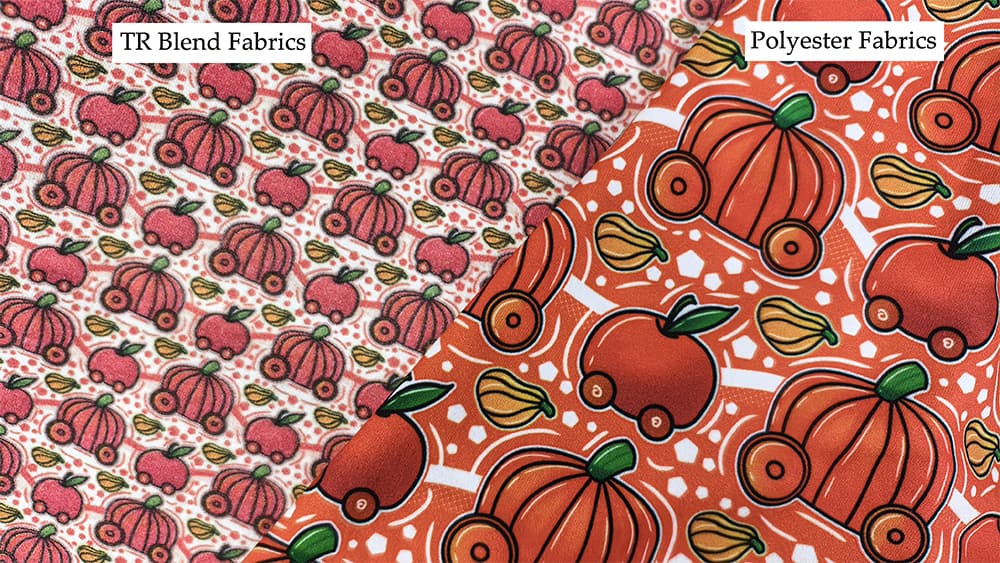
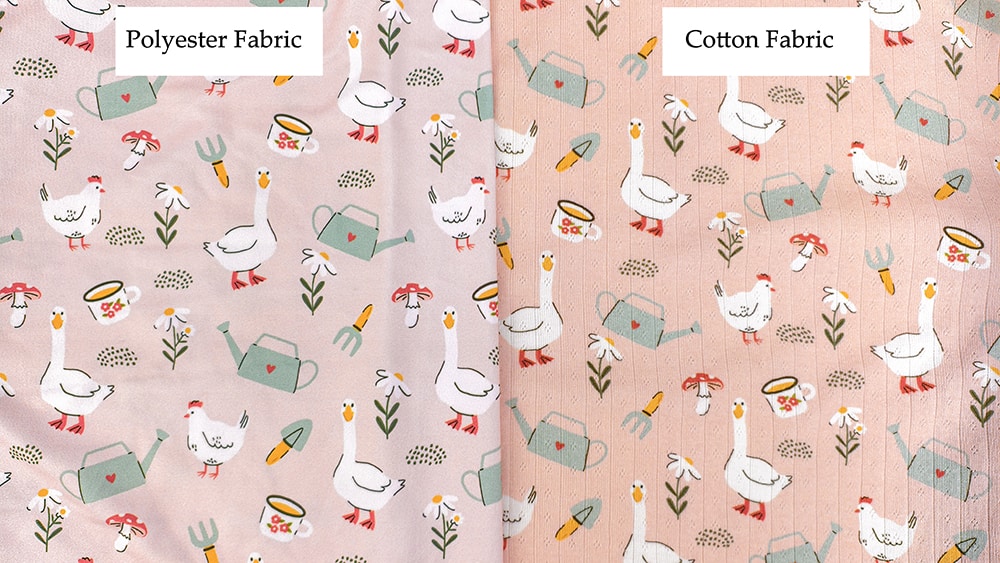
Our TR blend fabrics use pigment printing. Unlike reactive dye printing, pigment printing applies color pigments to the fabric surface, where a binder helps hold the color in place.
The fabric’s surface and texture, along with the way the pigments are applied, can influence how the printed colors look in real life. When preparing a design for TR blend fabric, we take these characteristics into account and adjust the print colors to achieve a result that is as close to the original artwork as possible.
Why Can't Printed Colors Match the Screen Perfectly?
Even when printing settings are carefully adjusted, it is difficult to make printed fabric look exactly like a digital image on every screen.
A digital image is displayed using light, while printed fabric reflects the light around it. The fabric itself, the printing method, and the viewing environment can all influence the final appearance.
At DORIS, we adjust our printing settings according to different fabric types to get colors as close to the original design as possible. However, a slight difference between the screen image and the finished fabric may still occur.
How to Choose Printed Fabric More Confidently Online
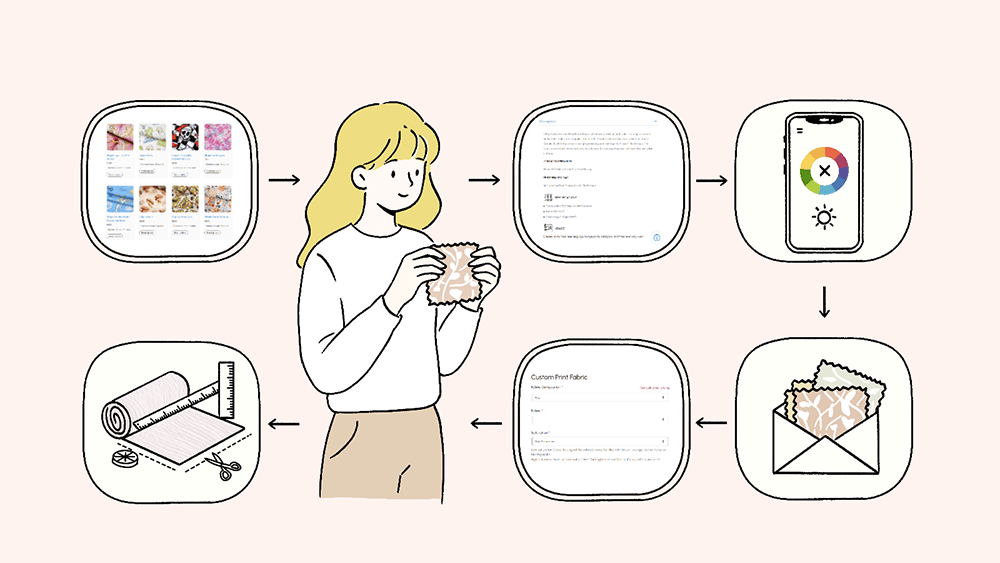
Although small color differences are sometimes unavoidable, a few simple steps can help you make a better choice.
Look at all the product photos. Don’t rely on just one image. Check different views to get a better idea of the pattern and its colors.
Read the fabric description. Pay attention to the material and fabric type. Different textures and base colors can affect the final appearance.
Check your screen settings. Turn off color filters and avoid setting your screen brightness too high.
Order a sample if available. If you’re choosing fabric for a special project or need a particular color, a physical sample can help you check the actual color and texture before ordering more.
If color matching is important for your project, compare the sample with your existing fabric, thread, or other materials under the same lighting.
Before You Place Your Fabric Order
Before ordering printed fabric online, take a moment to check a few details to make sure the fabric is right for your project.
1. Check the Fabric Type
Read the product description carefully to understand the fabric material, texture, and other listed specifications. Different fabrics may have different appearances and uses, even when printed with the same design.
2. Choose the Right Design and Color Effect
Check all available product images and color options before adding the fabric to your cart. For our polyester fabrics, you can choose between Low Saturation and High Saturation printing curves. Consider which color effect better suits your project.
3. Check the Quantity and Fabric Specifications
Before checkout, confirm the fabric width, material, and ordering unit shown on the product page. Make sure the quantity you select is enough for your sewing project, including extra fabric for cutting, pattern matching, or possible adjustments.
4. Order a Sample if Color or Texture Is Important
If you are unsure about the actual color or fabric feel, consider ordering a sample first if one is available. This is especially helpful when coordinating fabric with sewing thread, existing materials, or other items in your project.
5. Contact Us About Special Color Requirements
If you need a particular shade or want to match fabric purchased from another supplier, contact the DORIS team before placing your order. A digital design file or physical fabric sample can help us understand your reference. However, an exact color match cannot always be guaranteed, as printing equipment and settings may differ.
Taking these steps before checkout can help you choose more confidently and reduce unexpected differences when your fabric arrives.
Are Small Color Differences Normal?
Yes, slight color differences can happen when buying printed fabric online. However, this doesn’t mean that every difference should be considered normal.
If the actual fabric looks noticeably different from the product photos, contact the seller for clarification. Product images should give customers a reasonable idea of the fabric’s colors and overall appearance.
If you’re unsure about a particular design or fabric, feel free to contact the DORIS team before placing your order.
Frequently Asked Questions
1.Can I use a fabric photo to match sewing thread colors?
Not reliably. The colors in a product photo may look different depending on the screen, camera, and lighting conditions. If you need to match sewing thread with printed fabric, it’s better to compare the actual fabric and thread together under the same lighting.
2.Will printed fabric colors change after washing?
Our printed fabrics achieve Grade 4 in colorfastness to washing tests, indicating good resistance to color fading during washing under the tested conditions.
However, actual results may vary depending on washing conditions, such as water temperature, detergent, and washing method. To help maintain the fabric’s color, we recommend following the care instructions provided for each fabric.
3.Can I request an exact color match for my sewing project?
If you have a digital design file and want to use a specific color from it, we can use that color as a reference when preparing the print.
However, if you want to match a fabric previously purchased from another supplier, the process is more complicated. We would need to use a physical fabric sample as a reference and carry out print tests and color adjustments.Please keep in mind that different printers may use different settings and printing parameters, so achieving an identical color match is not always possible.
We can work toward getting the printed color as close to your reference as possible, but slight differences may remain.
4.What information should I provide when asking about a fabric's color?
If you have a specific color in mind, let us know which design or shade you are interested in. You can also share your digital design file or a physical fabric reference if you want to discuss color matching.
Providing a physical sample is especially helpful when you want to match fabric from another supplier. A product photo or screenshot alone may not show the actual color accurately enough for print matching.
Final Thoughts
Choosing printed fabric online is not always easy, especially when color matters to your sewing project.
At DORIS Fabric, we adjust our printing approach according to different fabric types and work to keep the final colors as close to the original designs as possible.
If you have a particular color in mind, we recommend checking a physical sample whenever possible before placing a larger order.
Co-Founder & Head of Operations at Doris Fabric
I believe a successful fabric business is built on thoughtful decisions, strong partnerships, and a commitment to sustainability.
As the co-founder and Head of Operations at Doris Fabric, I work closely with our team, clients, and fabric partners. Through these experiences, I've developed a deeper understanding of the fabric industry and what goes on behind the scenes.
In this blog, I share my thoughts on fabric trends, industry insights, sourcing, and sustainability, along with stories and experiences from Doris Fabric.