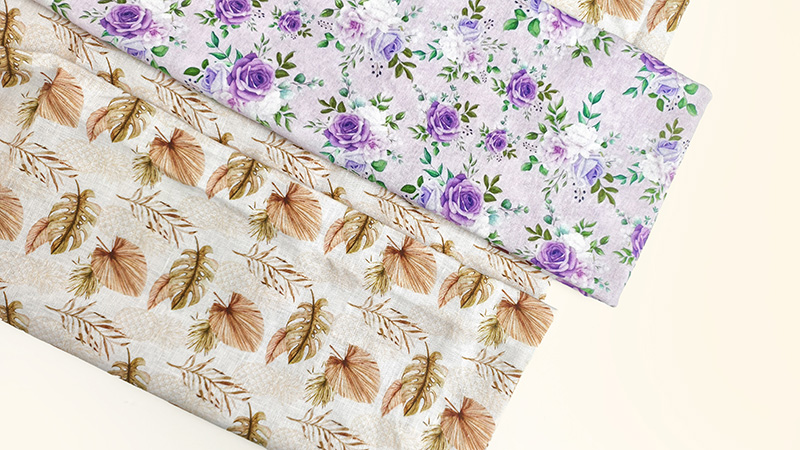
Linen print depends on the fabric’s weave, surface texture, preparation and printing method. Linen can be printed with different techniques, but the final color and level of detail vary depending on the fabric and process used.
Key Takeaways
- Linen can be printed successfully, but the results depend on the weave, texture, preparation and printing method. Its absorbency alone does not guarantee good print quality.
- Pre-washing may help control shrinkage in home sewing projects, but it does not replace the specialised pretreatment used for commercial reactive printing.
- Digital reactive, pigment and block printing apply and fix color in different ways. Wash and light fastness depend on the colorant, processing conditions, fabric and shade.
- Choose a printing method based on the design and end use. Reactive printing can provide good wash fastness and a relatively soft hand when properly processed; pigment printing can be used on a wider range of compatible fabrics.
- Test a sample before a bulk order, especially when color accuracy, fine detail or repeated washing matters.
Print on Linen: What to Expect
Linen’s Print-Friendly Traits
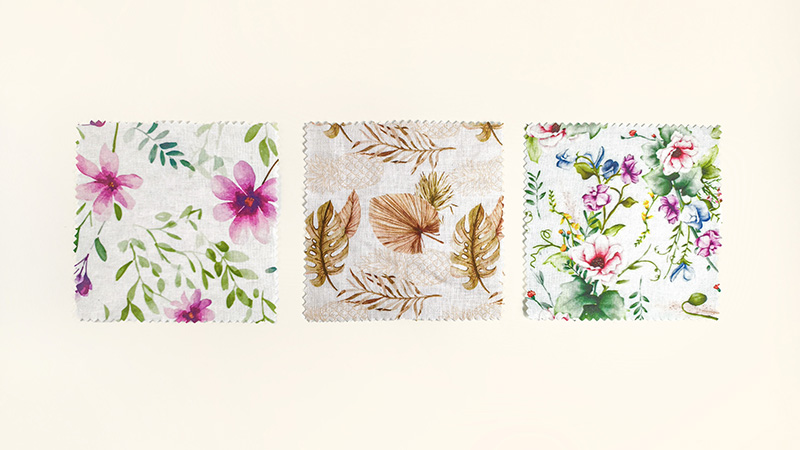
Linen is suitable for many printed projects, but its hand feel varies with the yarn, weave, fabric weight and finishing. Not all linen is soft or smooth. Linen fibres are durable, but that does not mean printed colours will remain unchanged indefinitely. The fabric’s natural texture can give prints an appealing, slightly textured look; an open weave or uneven surface can also make very fine details harder to reproduce.
Linen’s Printing Downsides
Linen wrinkles readily, so the fabric should be prepared according to the requirements of the chosen printing method. For home printing and processes that require a flat surface, smooth out creases before applying the design.
Linen prices vary with fiber quality, yarn specification, fabric weight, finishing, origin and supplier, so ask for a quote based on the specific fabric.
Printed linen can fade with exposure to sunlight, but the degree depends on colorant, shade, processing and use conditions. For curtains, cushions or items exposed to strong daylight, ask the supplier for lightfastness data for the specific fabric and shade. Do not assume all printed linen performs the same way.
Printed linen can be used for clothing, bags, quilting and decorative items. For upholstery, check that the specific fabric meets the abrasion, flame-retardancy and cleanliness requirements for its intended use.
Print on Linen: Preparing the Fabric
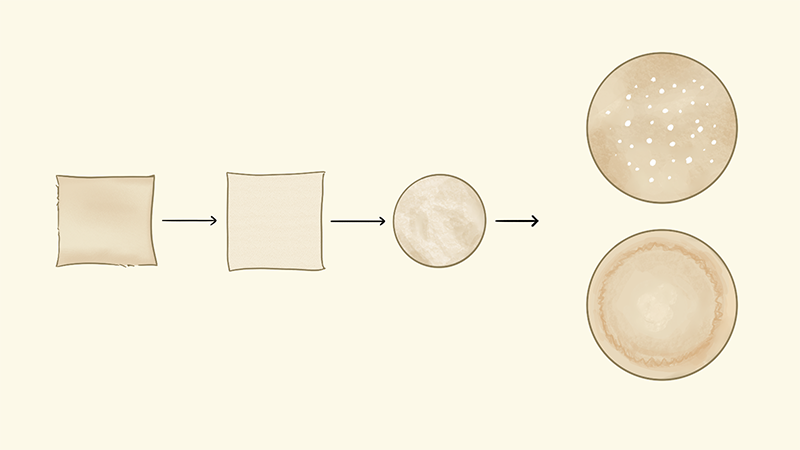
Washing and Pretreating
Commercial printing: pretreatment is a chemical step
In commercial reactive printing, pretreatment is not just washing. It prepares the linen chemically so the dye can bond properly. Home washing cannot replace this step.
Home sewing: pre-washing is for shrinkage and residue
Some linen fabrics may contain sizing or other finishing residues from manufacturing. For home sewing projects, pre-washing according to the care instructions can help remove some residues and reduce later shrinkage. However, household washing is not a substitute for the specialised pretreatment required for commercial reactive printing. That pretreatment is selected for the printing equipment, dye system and required result. Avoid fabric softener if its residue could interfere with the chosen printing product.
Pre-washing can help you account for shrinkage before cutting and sewing, but the amount of shrinkage varies with fabric construction, finishing and care conditions. If the finished size is important, wash and dry a sample as you plan to care for the finished item, then measure it. Fabric labelled pre-washed or pre-shrunk may still change in size, so check the supplier’s care instructions.
After washing, dry the fabric according to its care instructions and press it smooth before printing or cutting. Avoid assuming that every linen fabric should be dried on the same heat setting.
Smoothing and Securing
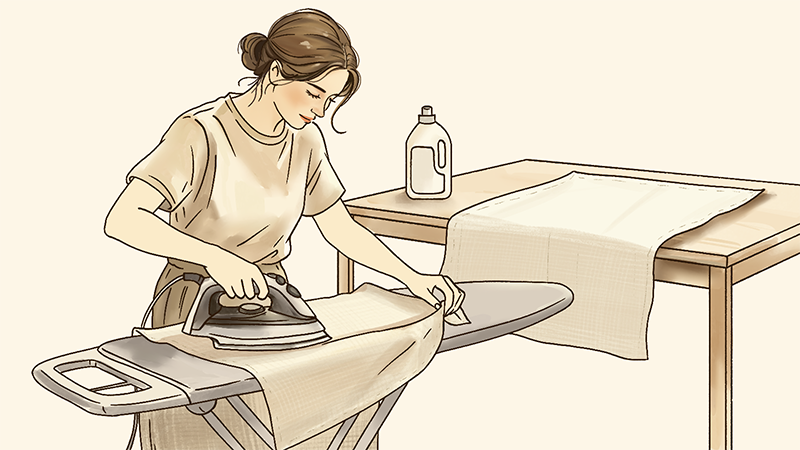
A flat, stable surface helps support even color application. Press linen according to its care instructions to remove creases. Commercial digital, screen and block printing use different application and fixation processes. For screen or block printing at home, secure the fabric so it does not shift while the design is being applied.
Feeding loose linen through a home inkjet printer can be difficult because the fabric may wrinkle or catch. Some crafters attach lightweight fabric to freezer paper or another suitable stabiliser, but results depend on the printer, stabiliser, fabric and ink. Not all printers support fabric or fabric-backed sheets, so check the manufacturer’s instructions and test first. This craft method is different from commercial textile printing.
Print on Linen: Printing Methods
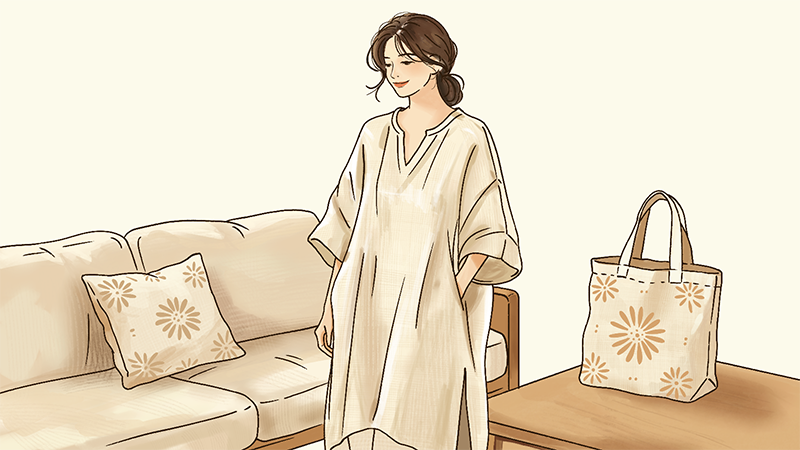
Digital printing can reproduce intricate designs and gradients, although detail and color performance depend on the fabric, equipment, color management and pretreatment. Pigment printing is versatile, but its cost and suitability depend on the fabric, printing system, finishing and order size. Block printing creates a handmade look. Choose a process based on the design, budget and intended use.
Digital Printing and Reactive Ink
Digital printing transfers a design from a digital file to fabric and can reproduce photographs, patterns and fine text. The weave and surface texture may affect the clarity of small details. In reactive printing, reactive dyes can form chemical bonds with cellulose in flax fibers under suitable processing conditions. Color development depends on the dye system, pretreatment, fixation and washing, while finishing can affect the fabric’s final hand feel.
| Attribute | Reactive printing | Pigment printing |
| How color is fixed | Reactive dyes bond with suitable cellulose fibers under the required processing conditions | Pigments are held on the fabric by a binde |
| Fabric preparation | Requires pretreatment suitable for the dye system | Depends on the fabric, pigment system, and printing process |
| After-print treatment | Typically requires steam fixation and washing | Typically requires curing to develop the binder’s performance |
| Fabric hand feel | Can retain much of the fabric’s original hand feel | May change the hand feel depending on the binder and amount applied |
| Fabric suitability | Suitable for linen and other compatible cellulose-based fabrics | Can be used on a broader range of fiber types when the system is compatible |
| Colorfastness | Must be assessed for the actual printed fabric | Must be assessed for the actual printed fabric |
Properly processed reactive printing can provide good wash fastness and a relatively soft hand, while pigment printing can be useful on a broader range of compatible fabrics. Neither method guarantees a particular light- or wash-fastness result without testing. Check a printed sample for colour, detail and hand feel before confirming a larger order. If a particular certification matters, verify its validity and scope with the supplier or certification body.
Pigment, Block, and DIY Methods
Pigment printing uses a binder to hold pigment particles on the fabric surface. It can be used on suitable linen and linen blends, but the result depends on the fabric and pigment system. Pigment prints may feel different from reactive prints because of the binder, and color appearance can vary by shade and process. Check a sample if softness and drape are important.
Block printing creates handmade motifs. Use a product specifically formulated for fabric and follow its application and curing instructions. Linen’s weave and surface texture can affect how the color spreads, so test on a scrap of the same fabric. Water-based and oil-based products vary in formulation and performance; neither type can be assumed to produce sharper prints in every situation.
Screen printing can be efficient for larger quantities of the same design, although preparing screens adds setup work. Digital printing is often more flexible for multicolor artwork, gradients and designs that change from one print to the next.
Print on Linen: Inks and Dyes
Choosing the Right Ink
Reactive printing can produce bright colors on linen when the dye system and processing are suitable. Linen is a cellulose-based fiber, so reactive dyes can form covalent bonds with it under the required conditions. Good results depend on suitable pretreatment, fixation and thorough washing to remove unfixed dye and processing residues. The base fabric and finishing also affect the final color, definition and hand feel.
Pigment printing uses a binder to hold pigment on the fabric surface. For DIY projects, choose fabric paint or ink that is specifically labelled as suitable for linen and follow its instructions. Products sold as fabric inks use different formulations and curing methods; not all work in the same way. Test the product on a fabric scrap before using it on a finished item.
Wash Fastness and Durability
Colorfastness depends on the colorant, fabric and complete processing sequence. Properly processed reactive prints can achieve good wash fastness, but steam temperature alone does not guarantee a specific result. Dye selection, pretreatment, fixation time and subsequent washing all matter. Lightfastness varies with the dye and shade. Pigment and DIY prints also need the specified curing process; inadequate curing can reduce durability or allow color to transfer.
To help preserve printed linen, follow the care instructions supplied for the specific fabric. Turning items inside out, using a suitable gentle wash cycle and avoiding harsh bleach may help reduce wear. Drying away from strong sunlight can also help limit fading.
Fixing Common Linen Print Issues
White spots on printed linen may come from fabric neps, surface lint, residual contaminants, uneven pretreatment or insufficient print coverage. Visual inspection alone may not reveal the exact cause. Check the unprinted fabric and review the pretreatment and printing conditions to narrow down the source of the problem.
Linen and cotton can produce different print results because their fiber characteristics, fabric construction and processing conditions differ. Color performance should be assessed on the specific fabric rather than assumed from the fiber type alone.
Bleeding and soft print edges can be affected by the ink or dye system, print application, fabric surface and design details. Test the chosen fabric before bulk production.
Uneven color, fading and poor rub fastness can have different causes. The colorant, processing conditions and care routine all affect the result. For items exposed to strong sunlight, ask for relevant lightfastness data. Follow the supplier’s care instructions and avoid applying untested coatings that could change the fabric’s appearance or hand feel.
Print on Linen: Bottom Line
Linen can be printed using several methods, but the result depends on fabric, design and printing process. Reactive printing can suit detailed designs on compatible linen, while pigment and block printing may suit other projects. For custom linen printing, choose a base fabric that suits your finished item and check a printed sample for colour, detail and hand feel.
If you are looking for custom printed linen, Doris mainly uses reactive printing. Before placing a larger order, confirm available base fabrics, order terms and minimum quantity, and request a printed sample to check colour, detail and hand feel after washing.
FAQ
Does linen need special ink for printing?
Inks or dyes need compatibility with linen and the selected printing method. Commercial reactive printing is formulated for cellulose fibers and typically requires proper pretreatment, steam fixation and washing. Pigment printing relies on a binder that must be cured per specification. For home projects, select printing products labelled safe for linen and adhere strictly to the product instructions.
How well do printed linen colors survive washing?
Performance depends on the dye or pigment system, processing conditions and linen substrate. Correctly processed reactive prints undergo fixation and washing to eliminate unfixed dye, while pigment prints demand proper curing. For items subject to frequent washing, review care guidance and verify test data for the specific printed linen.
Can a home printer handle linen fabric?
Some makers use stabilizers like freezer paper to feed lightweight linen through compatible inkjet printers. This approach is not supported by all printers, and outcomes vary by fabric, stabilizer and ink. Always consult the printer manufacturer’s instructions and run a small test first. This craft method cannot achieve commercial textile printing quality.
What is the minimum order for custom printed linen?
Minimum order quantities vary by product and ordering option. Doris provides custom linen printing, predominantly using reactive printing. Confirm the minimum quantity and available fabric choices prior to placing an order. For larger projects, enquire about bulk terms and request a sample in advance.
What causes white spots on printed linen?
White spots may be caused by fabric neps, lint, residue, uneven pretreatment or insufficient print coverage. The exact cause cannot always be identified by appearance alone. Check a sample and review the fabric and printing process to determine the next step.