Quick Answer
Trying to decide between 4×2 Skinny Rib and 8×3 Wide Rib?
Here’s my recommendation after sewing with both fabrics:
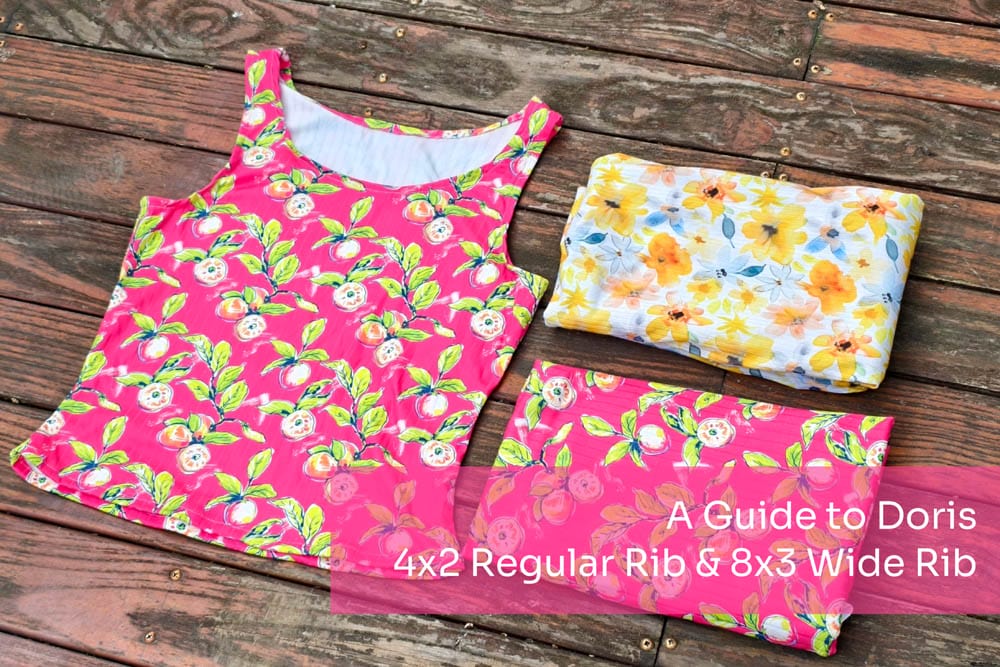
- Choose 4×2 Ribfor cuffs, neckbands, waistbands, baby clothing, and projects that need extra stretch.
- Choose 8×3 Wide Ribfor tank tops, T-shirts, dresses, skirts, and structured garments that benefit from a textured appearance.
Neither is better—they just behave differently depending on your project.
A Real Sewing Story
The first time I used the wrong rib knit for a sweatshirt, I spent hours sewing everything perfectly—only to realize the cuffs didn’t bounce back properly after stretching.
That project completely changed how I think about rib knit fabric.
Since then, I always pay attention to one thing before I cut fabric:
How much structure do I want in the final garment?
That’s exactly why I often compare 4×2 Rib and 8×3 Rib when helping others choose fabric.
What’s the Difference Between 4x2 and 8x3 Rib?
Both fabrics are made from 96% polyester and 4% spandex, but the structure of the knit is what changes everything.
Key Differences
Feature | 4×2 Skinny Rib | 8×3 Wide Rib |
Texture | Fine & smooth | Bold & textured |
Stretch | Higher | Moderate-High |
Recovery | Excellent | Excellent |
Best Use | Cuffs, neckbands, babywear | Garments、Headband |
Feel | Soft | Structured、Soft |
Beginner Friendly | Yes | Yes |
Structure | Medium | High |
Cora's Fabric Tip
One question customers often ask us is:
“Can I make an entire garment using rib knit?”
Absolutely.
If you want a softer, body-hugging fit, I usually recommend 4×2 Rib.
If you prefer more structure and texture, 8×3 Wide Rib performs beautifully for tanks, dresses, and modern casual wear.
From my own sewing experience, choosing the rib structure is often just as important as choosing the fabric composition.
Okay, real talk: rib knit fabric is one of those unsung heroes in sewing. It doesn’t always get the spotlight, but when you nail the choice, everything just works. If you’ve ever struggled with a neckband that refused to lay flat, or a cuff that looked sad and wavy, there’s a good chance the rib was fighting you.
Today I want to walk you through two staples I keep coming back to — Doris 4×2 Rib and 8×3 Rib. They’re both amazing, but they’re definitely not interchangeable. Once you feel the difference in your hands, you’ll immediately know which one to reach for. Let’s break it down.
The quickest way to understand these two fabrics is to literally touch them. (I’ll do my best to describe it!)
4×2 Skinny Rib is the softie. The ribs are fine, tight, and really orderly — almost delicate. When you run your fingers over it, it feels smooth and a little buttery, and the stretch is gentle, like it’s giving you a subtle hug. It’s the kind of rib you want against your skin.
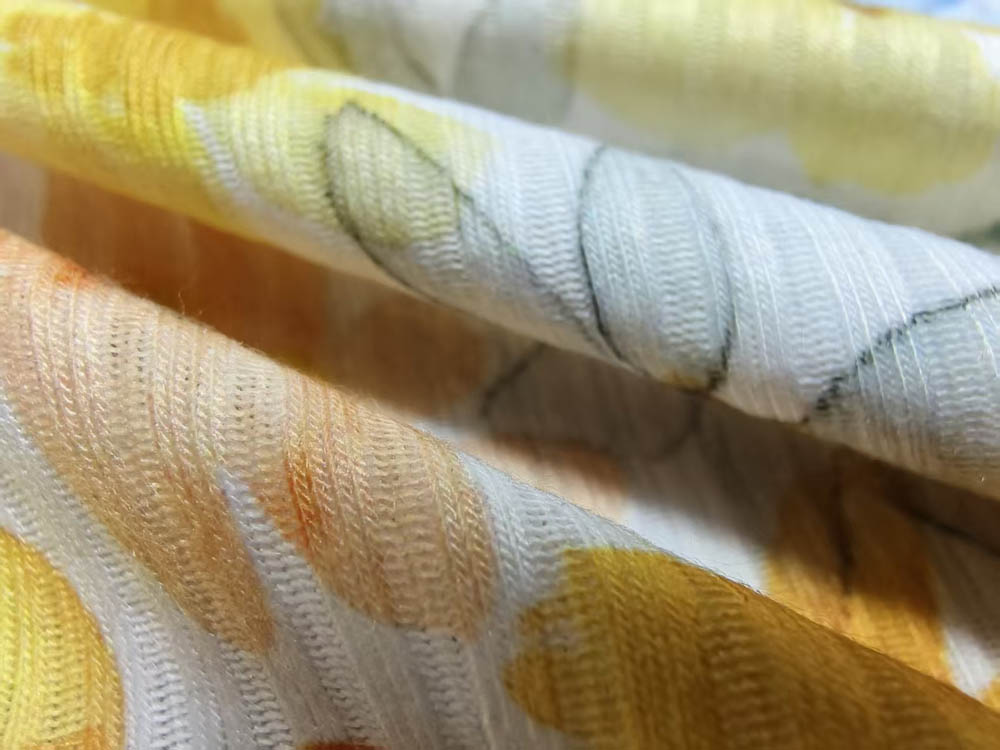
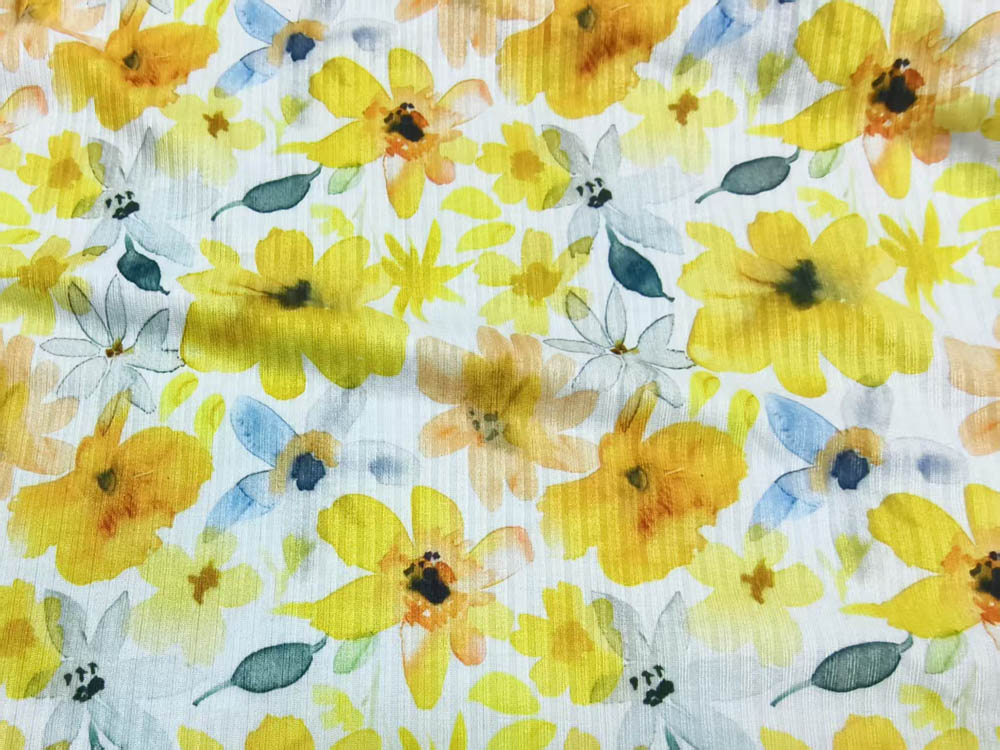
8×3 Wide Rib has way more personality. The ribs are wider, chunkier, and much more pronounced. It feels more substantial in your hand — a bit sturdier, with a really satisfying bounce-back when you stretch it. There’s a certain crispness to it. I always think of it as the fabric equivalent of a good posture day.
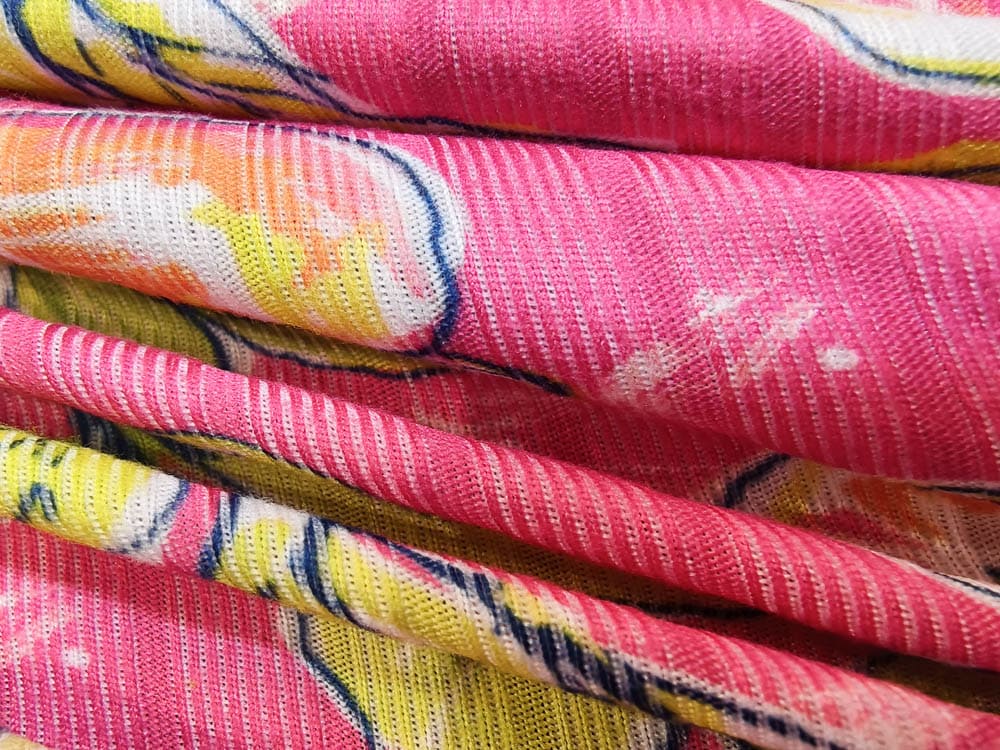
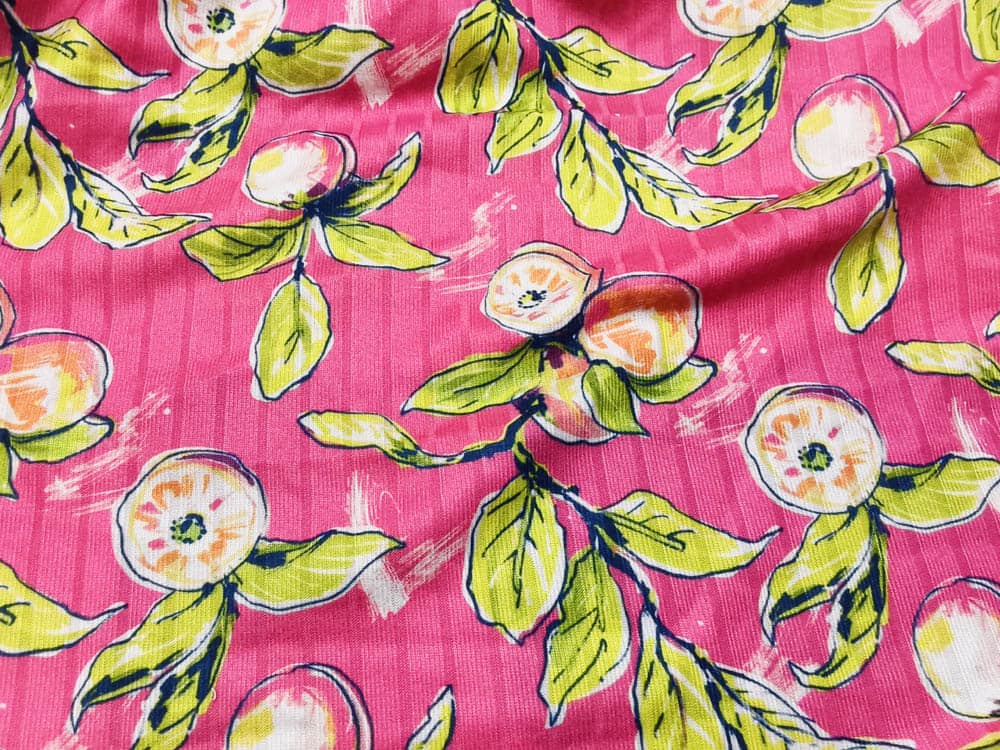
So in short: 4×2 gives you smooth, quiet texture, while 8×3 brings the structure and a little drama. And trust me, that difference completely changes how you use them.
Where each one shines (and how I actually use them)
Knowing the texture is one thing, but let me show you how they earn their keep in real projects.
4×2 Skinny Rib: Your go-to for trims and hugging finishes
Because it’s so soft and has that easy, comfortable stretch, 4×2 is my absolute favorite
For anything that needs to gently hug a body part—think cuffs,neckbands,waistbands,even little baby headbands.
Here’s a quick walk through of how I sew cuffs and neckbands with 4×2 rib. No fancy jargon, just how I do it:
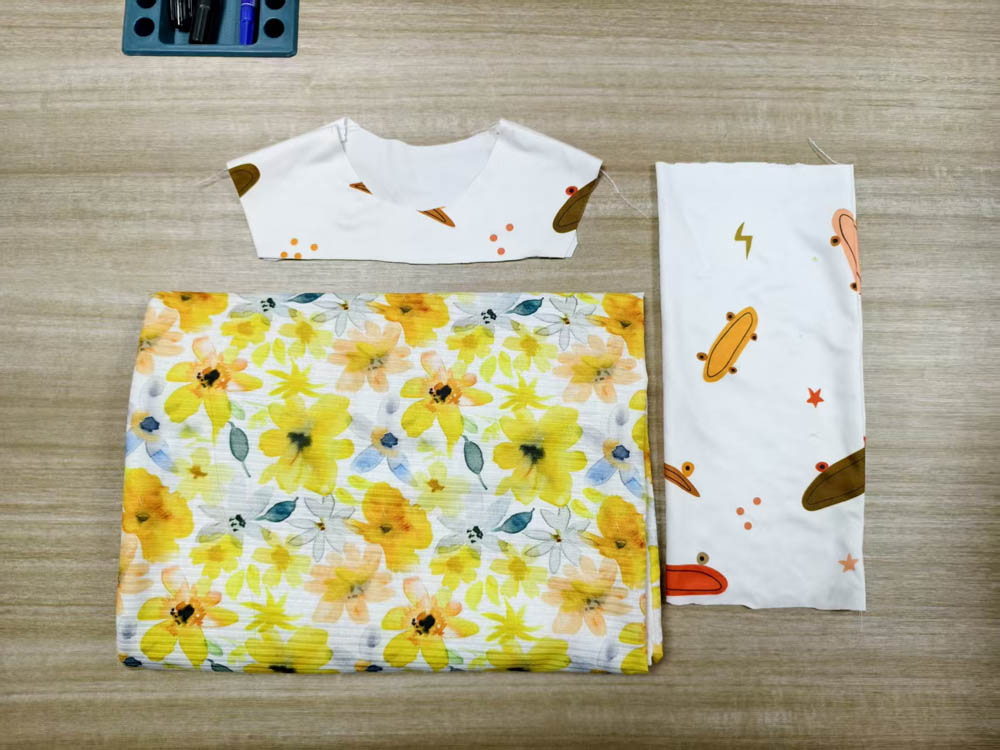
How I Sew Rib Knit Cuffs Using 4x2 Rib
1. Sew your sleeve into a tube, right sides together. Press that seam open if you’re feeling fancy, or just finger-press it — I won’t judge.
.jpg)
.jpg)
2. Grab a strip of 4×2 rib. I usually fold one long raw edge under and stitch it down first, just to give the finished edge a clean look.
.jpg)
.jpg)
3. With the wrong side of the rib strip against the right side of the sleeve, pin it all around the cuff opening. (Okay, the pinning part tests my patience every time, but it’s worth it.)
.jpg)
.jpg)
4. Sew all the way around, then flip the rib up and fold it over to the inside, completely hiding that raw sleeve edge. One more line of stitching close to the inner fold from the right side, and you’re done. Nice and tidy!
.jpg)
.jpg)
How I Sew Rib Knit Neckbands
1. Sew the short ends of your rib strip together to make a loop. I always triple-check that it isn’t twisted before I sew.
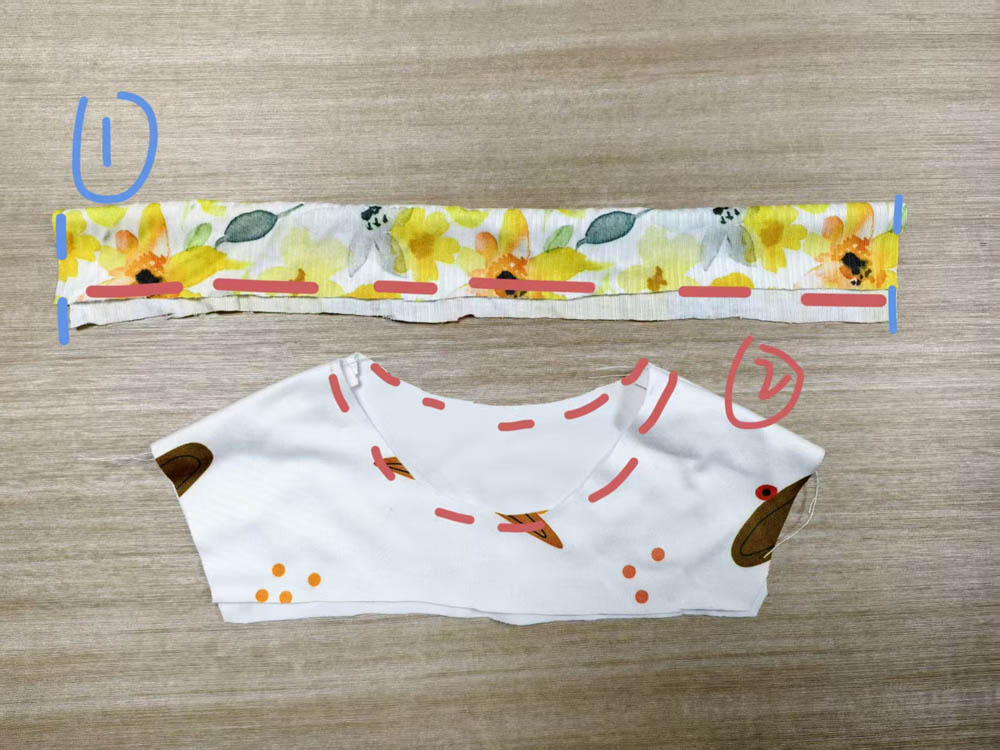
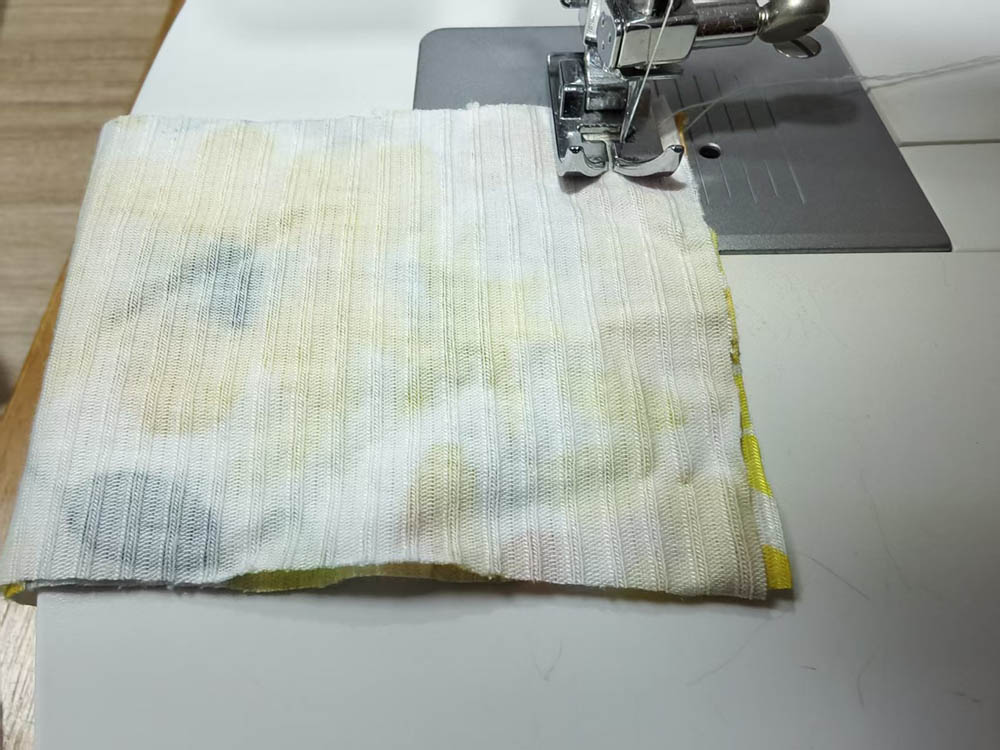
2. Pin the wrong side of the loop to the right side of the neckline, matching quarter marks so the stretch distributes evenly. This part can feel like you need three hands, but go slow and it’ll behave.
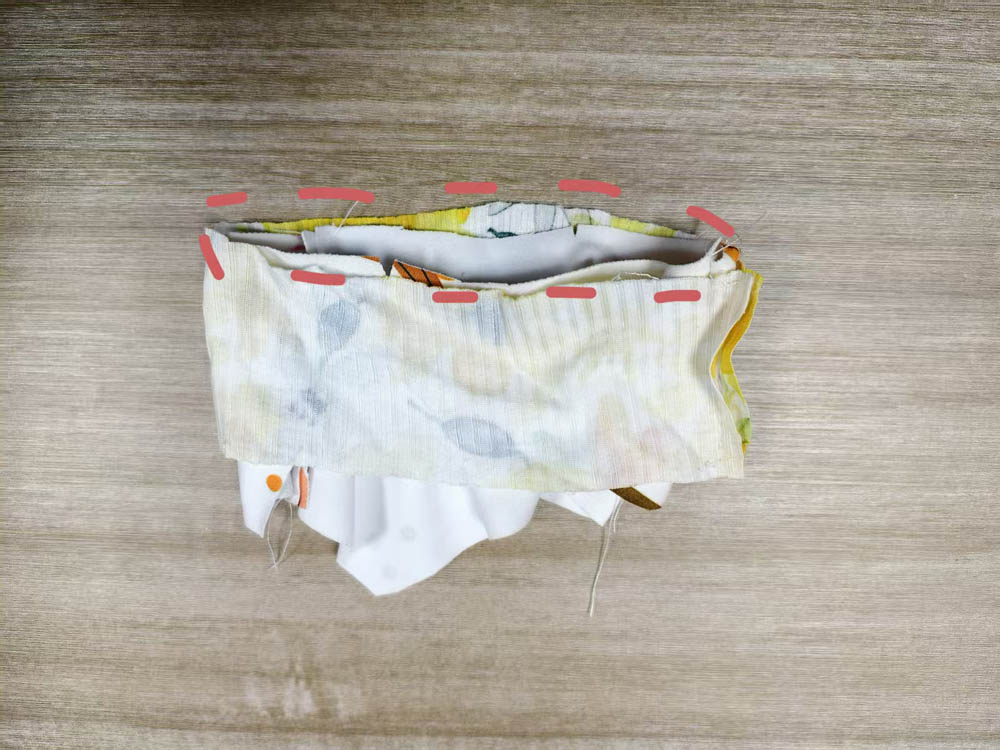
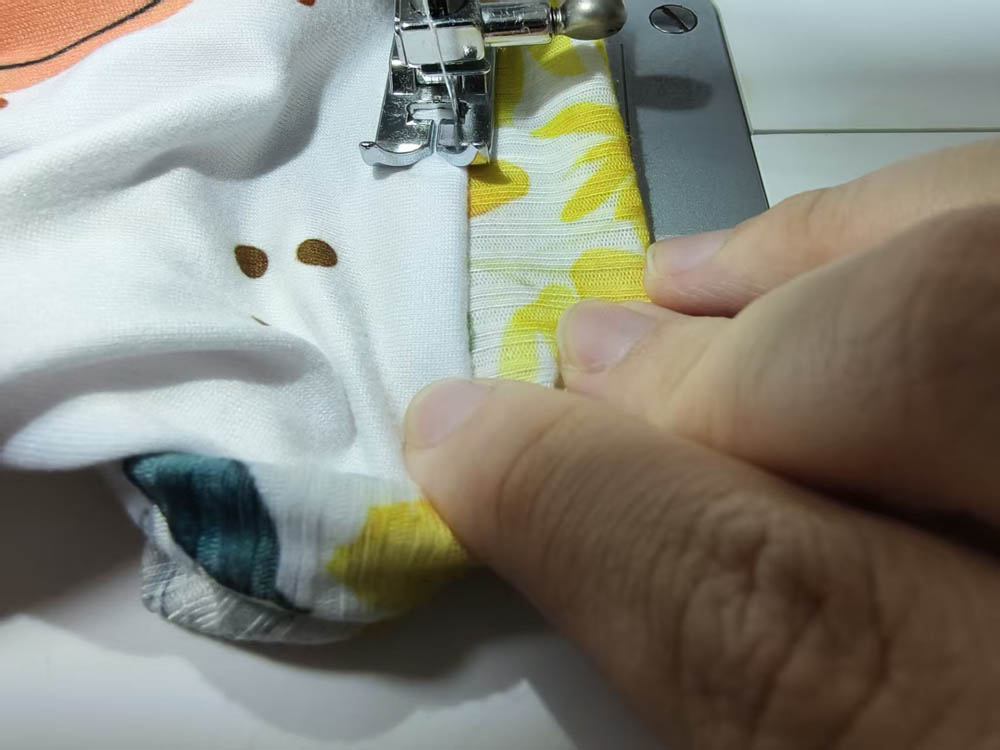
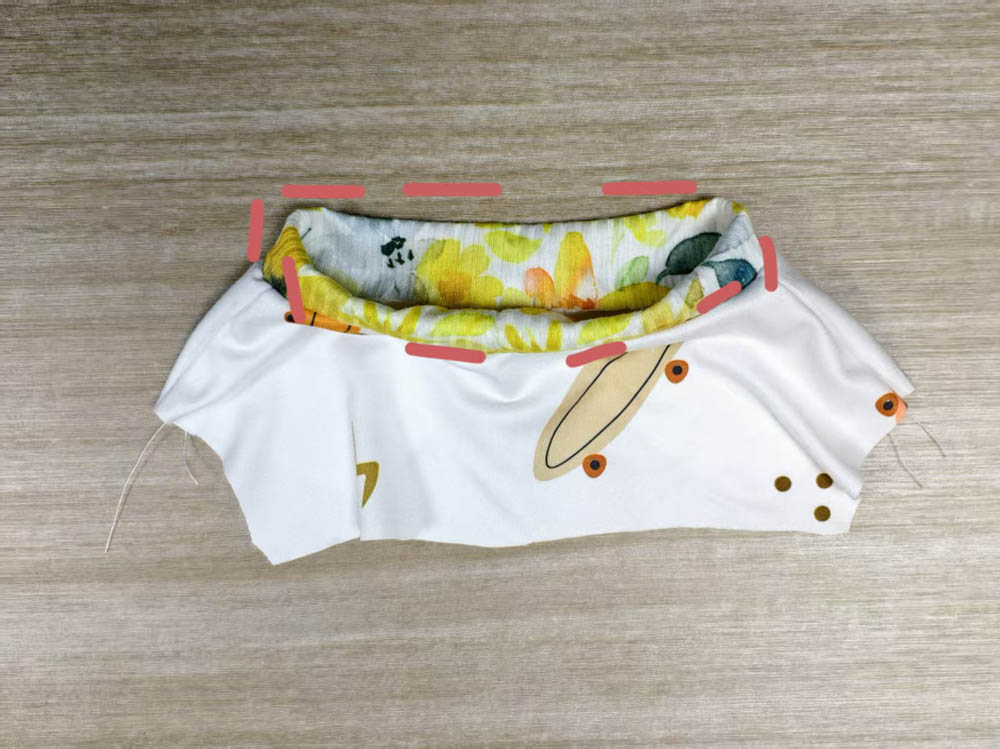
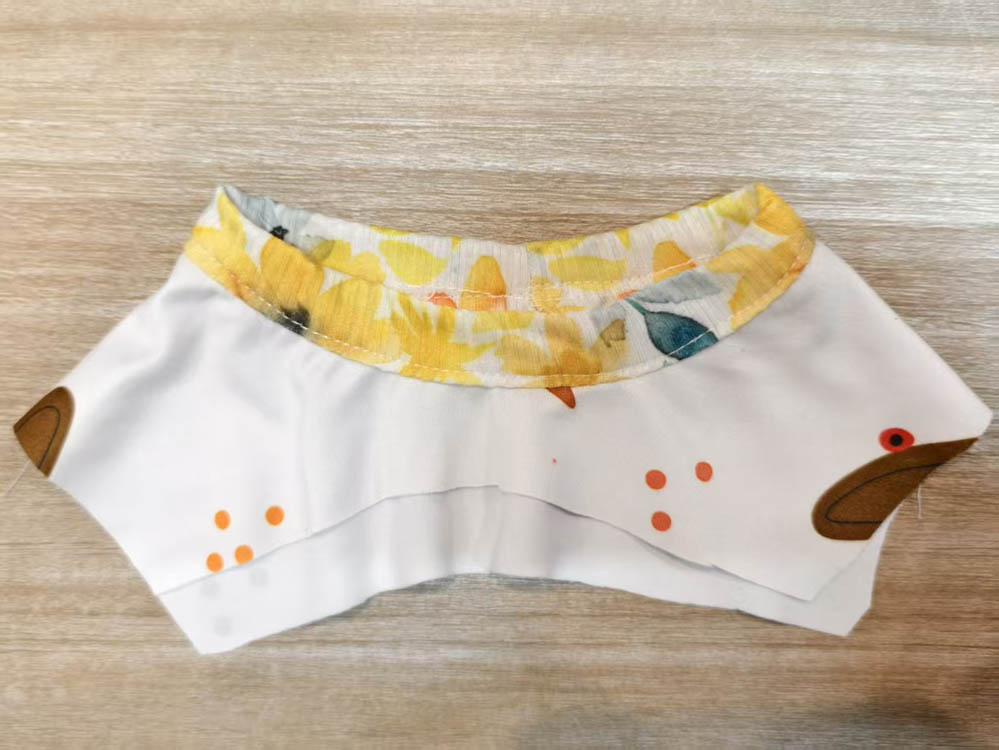
2. Stitch it on, then fold the band up and under twice to encase the seam allowance. Topstitch close to the inner edge to secure everything. Once you do this a couple of times, it becomes muscle memory — I promise.
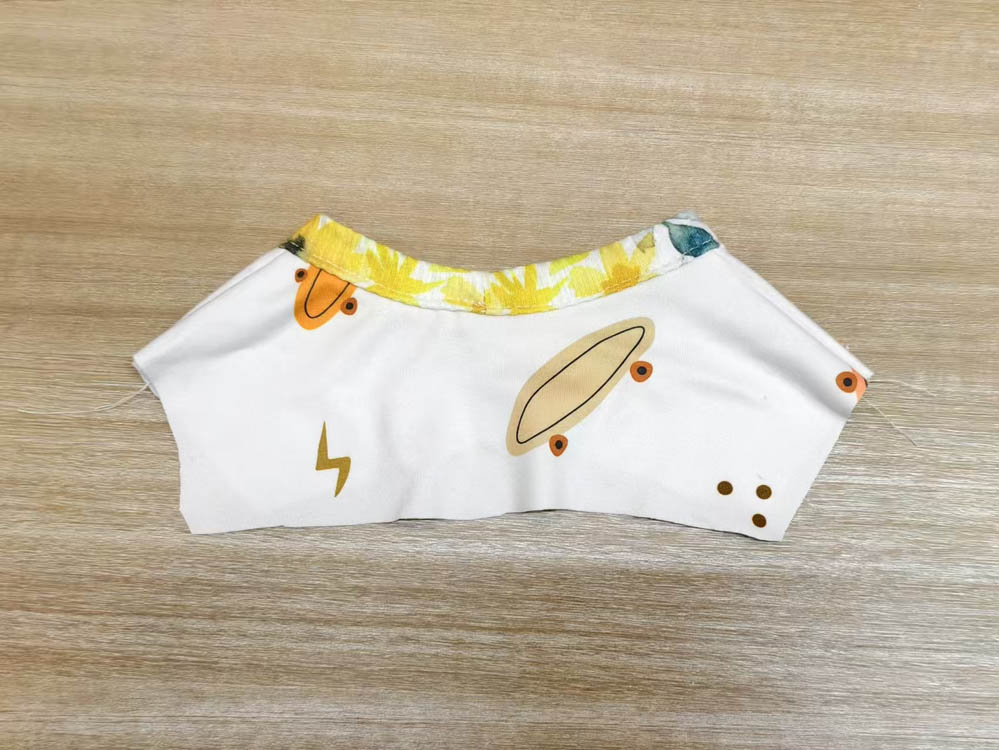
One of my favorite projects was sewing a hoodie for my nephew using 4×2 Rib. Even after months of washing, the cuffs still snapped back beautifully without stretching out.
8×3 Rib: The main event for structured garments
Now, 8×3 is the one I grab when the rib knit isn’t just an accent — it’s the whole show. That chunkier, firmer hand makes it a legit main fabric, no backing or stabilizing needed.
A while back I made a casual vest entirely out of Doris 8×3 Wide Rib (I have a full video tutorial on it if you want to sew along), and honestly, it became a fast favorite. The fabric holds the shape so well — it gives you a clean, modern silhouette without feeling stiff. I cut the front and back pieces just like I would with any stable knit, and the rib texture itself basically became the design detail. The side seams and shoulders came together beautifully, and the hem didn’t curl like some ribs love to do. It felt like I was cheating at sewing in the best way.
If you’re thinking about a boxy tee, a tank, a simple skirt, or even a sporty little dress, 8×3 should be on your short list.
The stuff they have in common (aka why I keep buying both)
Despite their totally different vibes, both of these rib fabrics share the same solid bones, which is why I trust Doris for so many projects.
Both are a 96% polyester / 4% spandex blend. I know, polyester can get a bad rap, but this isn’t the cheap shiny stuff. The poly gives the fabric serious durability — it resists wrinkles and holds its shape wash after wash — and that 4% spandex adds just enough stretch to keep things comfortable without warping over time. I’ve thrown these in the washing machine way more times than I’d like to admit, and they still look good. No saggy elbows or baggy neckbands here.
The knitting quality is also super consistent. The rib lines are even, the colors stay true, and I’ve never had to fight a wonky selvedge. For everyday basics that need to perform, that’s exactly what you want.
Ready to Start Your Next Sewing Project?
If you’re still deciding between 4×2 and 8×3 rib, feel free to explore our fabric collection or request samples for your next sewing project.
I’d love to see what you create — happy sewing!
FAQ
Is 4x2 rib fabric softer than 8x3 rib?
Yes. In my experience, 4×2 Skinny Rib feels noticeably softer and smoother than 8×3 Wide Rib because of its finer rib structure. It has a gentle stretch that sits comfortably against the skin, making it my first choice for cuffs, neckbands, waistbands, baby clothing, and other projects that require a soft, flexible finish.
If you’re looking for texture and structure rather than softness, 8×3 Wide Rib is the better option.
Can beginners sew rib knit fabric?
Absolutely! Both 4×2 Skinny Rib and 8×3 Wide Rib are beginner-friendly fabrics.
If you’re new to sewing, I recommend starting with 4×2 Rib for simple projects like neckbands or cuffs because its soft stretch makes it easy to work with. 8×3 Wide Rib is also a great choice for sewing T-shirts, tank tops, and dresses since its structured ribs help the fabric hold its shape during construction.
Using a stretch needle and a stretch stitch (or serger) will give you the best results.
Can rib knit fabric be digitally printed?
Yes! Both 4×2 Skinny Rib and 8×3 Wide Rib are excellent choices for digital printing.
At Doris Fabric, we regularly print custom designs on both rib knit fabrics. The rib texture adds depth to printed patterns while maintaining vibrant colors and good stretch. Whether you’re creating personalized garments, boutique collections, or handmade gifts, rib knit fabric works beautifully with digital printing.
Does polyester rib knit fabric shrink after washing?
Our rib knit fabrics are made from 96% polyester and 4% spandex, so they have excellent dimensional stability and are much less likely to shrink than cotton-based rib fabrics.
To keep your garments looking their best, I still recommend washing in cold water and tumble drying on low heat or air drying whenever possible. This helps preserve both the fabric’s stretch recovery and the printed colors over time.
What can I make with rib knit fabric?
Rib knit fabric is incredibly versatile and suitable for a wide range of sewing projects.
Some of my favorite ideas include:
- Sweatshirt cuffs and neckbands
- Hoodies and pullovers
- Tank tops
- T-shirts
- Dresses
- Lounge sets
- Baby clothing
- Pajamas
- Headbands
- Ribbed skirts
If you want a soft trim, choose 4×2 Rib. If you’re making an entire garment, 8×3 Wide Rib is often the better choice.
Which rib knit fabric is best for baby clothing?
For most baby clothing projects, I recommend 4×2 Skinny Rib.Its softer hand feel, gentle stretch, and comfortable fit make it ideal for baby bodysuits, leggings, cuffs, neckbands, hats, and pajamas. It moves easily with little ones while remaining comfortable against sensitive skin.
If you’re sewing a more structured baby jacket or outer layer, 8×3 Wide Rib can also work well, but for everyday baby essentials, 4×2 Rib is usually my first choice.
Of course, if your baby is still very young and unable to express their heat, I would recommend more breathable materials, such as cotton.
What's the difference between 4x2 rib and 8x3 rib?
Although both fabrics are rib knits with the same 96% polyester and 4% spandex composition, they look and perform differently because of their rib structure.
In my sewing projects, I usually choose 4×2 Skinny Rib when I want a softer feel and more stretch. It’s perfect for cuffs, neckbands, waistbands, baby clothing, and any project that needs a close, comfortable fit.
On the other hand, 8×3 Wide Rib has wider ribs and a more textured appearance. It offers better structure and creates a modern, premium look, making it my preferred choice for tank tops, dresses, T-shirts, vests, and other full garments.
Neither fabric is better than the other—they’re simply designed for different sewing projects. I always recommend choosing the one that best matches the look, feel, and function you want for your finished garment.

Fashion Designer | Fabric Specialist at Doris Fabric
Hi, I'm Cora.
I'm a fashion designer at Doris Fabric and a lifelong sewing enthusiast. Every week, I work with different knit fabrics—from testing new materials to turning them into wearable garments.
Instead of simply reading fabric specifications, I believe the best way to understand a fabric is to sew with it.
Through this blog, I share my real sewing experiences, fabric comparisons, and practical tips to help fellow sewists confidently choose the right fabric for every project.