Polyester, cotton, silk, linen and viscose each require different ink systems and processing methods for digital textile printing. Fabric selection should start with the end application, followed by the required print method, fibre composition and finishing process. Matching the fabric to the correct ink system and printing process helps achieve consistent colour reproduction and clear image details. An unsuitable fabric and ink combination can lead to poor colour reproduction, reduced fastness and inconsistent print results.
Key Takeaways
- Polyester is widely used for sublimation transfer, particularly in sportswear and printed polyester fabrics. On blended fabrics, colour development depends on the polyester content, fabric composition and transfer conditions.
- Cotton and linen can be printed using reactive dye or pigment ink systems. Reactive printing generally requires fabric pretreatment, steaming and post-print washing, while pigment printing relies on a binder and heat curing to fix the pigment onto the fabric.
- Silk is valued for its natural lustre and smooth drape, making it suitable for scarves and fashion fabrics. Lightweight silk can shift or stretch during printing, so fabric tension, feeding stability and ink compatibility need to be checked before production.
- Viscose is valued for its soft handle and fluid drape. It can be digitally printed with compatible reactive dye or pigment ink systems, depending on the required appearance and production process. Pretreatment and finishing conditions also influence colour reproduction and fabric handle.
Top Fabrics for Digital Textile Printing
Cotton Fabric: A Popular Choice for Apparel Printing
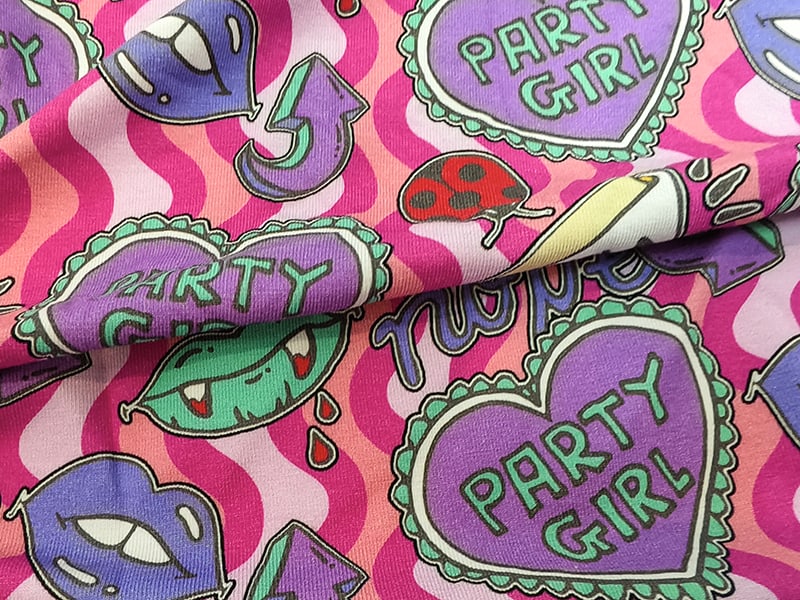
Cotton is a natural cellulose fibre commonly used for everyday garments and T-shirts. For digital printing, cotton fabrics are commonly processed with reactive dye or pigment inks, each requiring a different preparation and fixation method. Reactive dye inks can produce bright colours on cotton when the fabric is properly pretreated, steamed for fixation and washed to remove unfixed dye. Pigment printing offers an alternative to reactive printing. A binder holds the pigment on the fabric surface and is typically fixed through heat curing.
- Ink Compatibility: For cotton garments, direct-to-garment (DTG) printers are commonly used. DTG printing generally requires garment pretreatment and appropriate curing to ensure ink adhesion and print durability.For fabric rolls, industrial roll-to-roll printers are more suitable. Both applications require inks and pretreatment products designed for the specific printing system.
- Purchasing Tip: For designs with fine lines or small details, choose cotton fabric with a uniform surface and consistent construction. Combed cotton is worth considering for apparel because its yarns generally contain fewer short fibres, helping create a more uniform fabric surface. The appropriate yarn count and fabric structure should still be selected according to the garment’s weight and hand feel.
Polyester Fabric: Ideal for Sublimation Printing
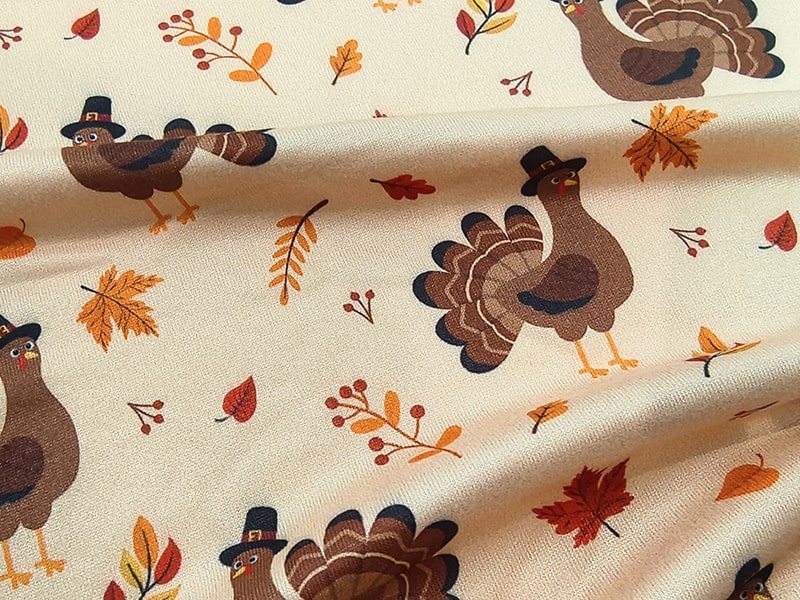
Polyester is a common choice for sportswear, activewear and outdoor fabrics. In sublimation transfer printing, disperse dyes are first printed onto transfer paper and then transferred to polyester fabric under heat and pressure. The dyes diffuse into the polyester fibres rather than forming a separate ink film on the fabric surface. Its strength, dimensional stability and wrinkle resistance make it a popular choice for sportswear and outdoor textiles. Print results vary with polyester content, fabric construction, base colour and transfer conditions. Any coating or finishing treatment on the fabric should also be checked for heat compatibility before printing.
- Best Printing Method: Sublimation transfer is widely used for suitable polyester fabrics. Before bulk production, test the transfer temperature, pressure and dwell time on the actual fabric to check colour accuracy and dimensional stability.
- Versatility: Polyester is available in a wide range of constructions, from stretch fabrics for sportswear to soft knits for loungewear. Check the fabric’s heat tolerance and composition before choosing a printing process.
Silk Fabric: Suitable for Premium Fashion and Scarf Printing
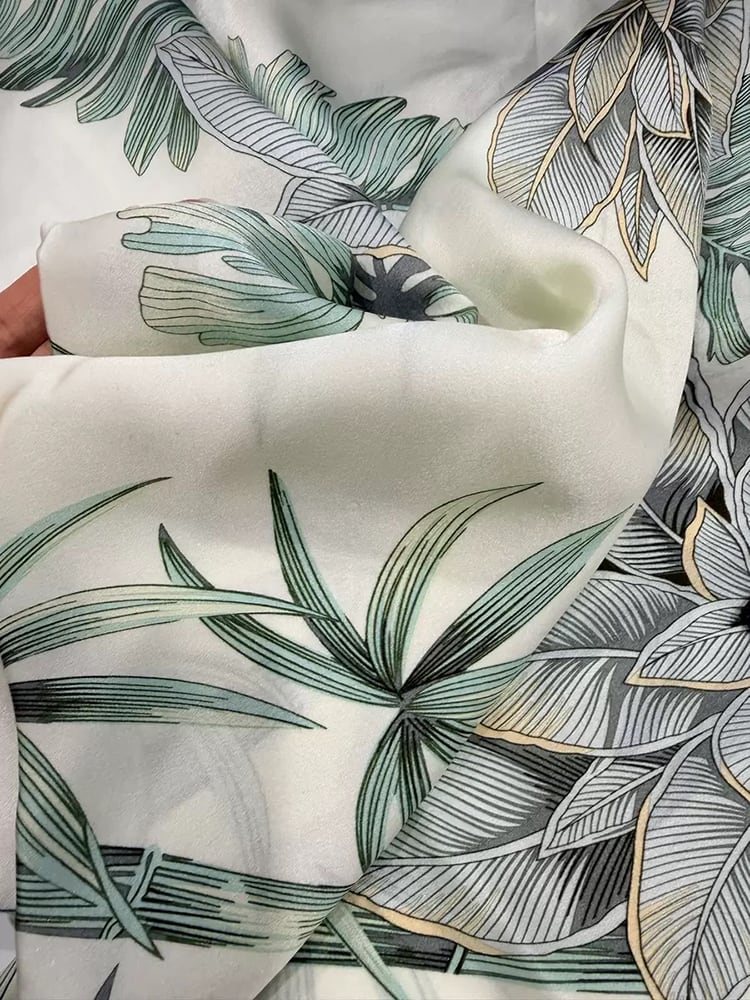
Silk is often used for printed scarves and fashion garments because of its natural lustre, smooth surface and fluid drape. The weave, fabric weight and surface finish all influence how the printed design appears on silk.Printing considerations: Lightweight or loosely woven silk can shift during printing, causing misregistration, uneven alignment or blurred details.
- Ink and fabric compatibility: Acid dye inks are commonly used for digital printing on silk. Certain reactive dye systems may also be suitable, depending on the ink formulation and printing equipment. Before production, check the pretreatment recipe, fabric tension, steaming conditions and washing process against the requirements of the selected ink system.
Linen and Viscose Fabric: Texture, Drape and Printing Characteristics
Linen has a naturally textured surface, which gives printed designs a different appearance from those on smooth, tightly woven fabrics. Its irregular yarn structure and textured surface can affect fine-line definition and colour uniformity, particularly in detailed designs. Viscose (rayon) is valued for its soft handle and fluid drape. It can be printed with compatible reactive dye or pigment ink systems, provided the fabric receives the appropriate pretreatment and fixation. Colour reproduction depends on the ink and fixation method, while water consumption varies with the pretreatment and post-print washing requirements. Environmental claims should be supported by production data, such as water consumption, chemical use and wastewater treatment records.
Key Fabric Qualities That Affect Print Quality
When selecting fabric for digital textile printing, three factors deserve particular attention: surface structure, ink compatibility and colour fastness.
Fabric Smoothness & Weave
The surface and construction of fabric impact the clarity of printed details. A uniform fabric surface helps maintain sharp lines and small details, although ink behaviour, fabric tension and printing resolution also affect the result. On textured fabrics such as linen, the weave can affect ink distribution and fine-line definition. Test prints should be used to determine whether adjustments to print settings or pretreatment are needed. Before bulk printing, check the fabric for lint, loose fibres, creases and uneven tension.
Ink Compatibility and Colour Fastness
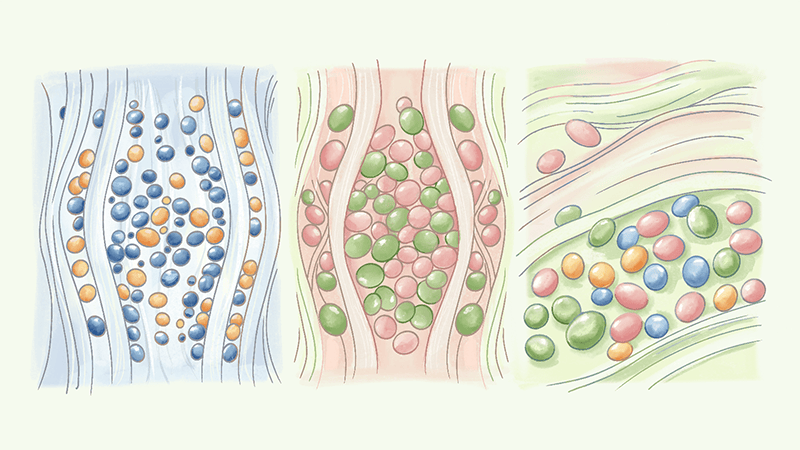
Different fibres require ink systems and fixation methods suited to their chemical properties. Reactive dye inks are commonly used for cellulosic fibres such as cotton, linen and viscose, while acid dye inks are widely used for silk, wool and nylon. Disperse dye inks are used for polyester printing, either through direct-to-fabric printing or sublimation transfer, depending on the equipment and ink formulation. Pigment inks can be used on a wide range of fibres and blends. Their binders help hold pigment particles on the fabric surface and must be properly cured to achieve the required durability. The selected ink, fabric pretreatment and fixation conditions affect colour strength, fabric handle and resistance to washing and light exposure.
Print durability depends on the complete process, including fabric preparation, ink application, fixation and finishing. For projects with specific performance requirements, request wash, rubbing and light fastness reports based on recognised test methods and samples produced using the intended fabric and production process.
Commonly referenced test methods include ISO 105-C06 for washing fastness, ISO 105-X12 for rubbing fastness and ISO 105-B02 for colour fastness to artificial light.
Fabric Comparison
Print Quality by Fabric Type
The way a fabric reproduces colour and detail varies with its fibre content, surface structure and printing method. Cotton is commonly printed with reactive dye or pigment inks, while polyester is frequently processed using sublimation transfer. Silk is commonly printed with acid dye inks, with fabric handling and steaming conditions carefully controlled. Linen’s textured surface can affect fine-line definition and colour uniformity. For blended fabrics, check how each fibre component responds to the selected ink system. For example, sublimation transfer colours the polyester portion of a poly-cotton fabric, while the cotton fibres remain largely uncoloured.
| Fabric type | Common ink systems / printing methods | Key considerations |
| Cotton | Reactive dye, pigment | Pretreatment, steaming and washing for reactive printing; binder curing for pigment printing |
| Polyester | Disperse dye, sublimation transfer, pigment | Polyester content, base colour and heat tolerance |
| Silk | Acid dye, selected reactive systems | Fabric tension, pretreatment and fixation |
| Linen | Reactive dye, pigment | Surface texture, ink distribution and detail definition |
| Viscose | Reactive dye, pigment | Fabric stability, pretreatment and finishing |
| Blends | Depends on fibre composition | Confirm compatibility and colour results through testing |
Fabric Durability
Fabric durability is influenced by fibre content, yarn quality, fabric construction, finishing and the conditions under which the product is used and washed. Polyester is commonly used in activewear because it offers good strength and dimensional stability in many fabric constructions. Cotton is valued for comfort and moisture absorption, silk for its lustre and drape, and linen for its natural texture and breathability. On printed fabrics, ink chemistry and fixation conditions also affect wash, rubbing and light fastness. Compare test results from samples produced under the same printing and finishing conditions before approving a fabric for bulk production.
Fabric Texture and Feel
Smooth fabrics are generally better suited to fine lines and detailed patterns, while textured fabrics such as linen can add depth and character to a printed design.Printing and finishing can change the fabric’s original handle. This is particularly worth checking with pigment inks, as the binder and curing process may make the surface feel stiffer.Always assess the printed fabric sample for both appearance and hand feel, especially when it will be used for garments worn directly against the skin.
Factory Checklist: How to Source and Validate Digital Print Fabrics
Before placing a bulk order, test the fabric, ink compatibility and finishing process to make sure the printed result meets your product specifications.
- Request a printed sample and assess colourfastness: Request a strike-off using the actual production fabric, ink system and finishing process intended for the bulk order.Simple dry and wet rubbing checks can identify obvious colour transfer, but formal quality approval should be based on recognised colourfastness test methods. If excessive colour transfer occurs during rubbing tests, ask the supplier to review the ink formulation, fixation conditions and finishing process before proceeding with bulk production.
- Check fabric construction and weight: Check the fibre composition, weave or knit structure, usable width and GSM. Confirm the acceptable tolerances for each specification with the supplier.Check whether the surface texture is suitable for the artwork, particularly where the design includes fine lines, small text or colour gradientsGSM indicates fabric weight per square metre; it does not measure surface smoothness or weave density. These properties should be assessed separately when print detail is important.
- Confirm minimum order quantities and production requirements: Confirm the minimum order quantity, available fabric options, production lead time and finishing requirements before placing an order.A lower MOQ makes it easier to test a new design with a smaller initial order, although it does not eliminate the risk of unsold stock.Make sure the quoted MOQ applies to the specific fabric, printing method and finishing service included in your order.
- Check batch consistency and production specifications: Before approving bulk production, confirm the acceptable tolerances for fabric composition, GSM, width and colour difference. Keep an approved sample as a reference for subsequent production batches. For repeat orders, request colour measurements or test reports to verify consistency.Confirm the acceptable colour difference between the approved sample and bulk production before manufacturing begins.
FAQ
Which Fabric Is Best for High-Detail Digital Printing?
For detailed artwork, choose a fabric with a uniform surface and suitable weave density. Ink compatibility, print resolution and pretreatment also need to be considered.Smooth, tightly constructed cotton fabrics and polyester satin can be suitable for detailed designs. However, print sharpness should be checked on the actual fabric, as ink spread and surface characteristics vary between constructions.Request a printed sample using the exact fabric intended for production and check fine lines, small text and colour transitions before approval.
Can Digital Printing Be Used on Natural and Synthetic Fibre Blends?
Printing is possible on poly cotton blends, though the process needs to match the fabric composition. Pigment inks are commonly used for poly-cotton blends because they can be formulated for both cotton and polyester components. The binder and curing conditions should be selected for the specific fabric.Sublimation transfer colours the polyester component of a blended fabric, while the cotton component remains largely uncoloured. As a result, the printed design may appear less saturated than on 100% polyester fabric.Always test the actual blend before production to check colour coverage, print appearance and fastness.
Why Can Digital Printing on Linen and Silk Be More Expensive?
Pricing for digitally printed linen, silk and other textiles depends on the base fabric cost, ink selection, pretreatment, fixation, wash and finishing requirements. Reactive dye printing on cotton, linen and viscose generally involves pretreatment, printing, steaming and post-print washing. Acid dye printing on silk also requires suitable pretreatment and fixation, followed by washing according to the ink manufacturer’s process specifications.Pigment printing follows a different route, usually involving binder-based ink application and heat curing rather than the steaming and washing sequence used for reactive dye printing.Polyester sublimation transfer generally avoids the extensive steaming and washing stages required by many reactive and acid dye printing processes, although it requires suitable polyester content and heat-resistant fabric.
When comparing supplier quotations, include fabric costs, printing, pretreatment, fixation, washing, finishing and minimum order quantities to calculate the actual cost per metre.